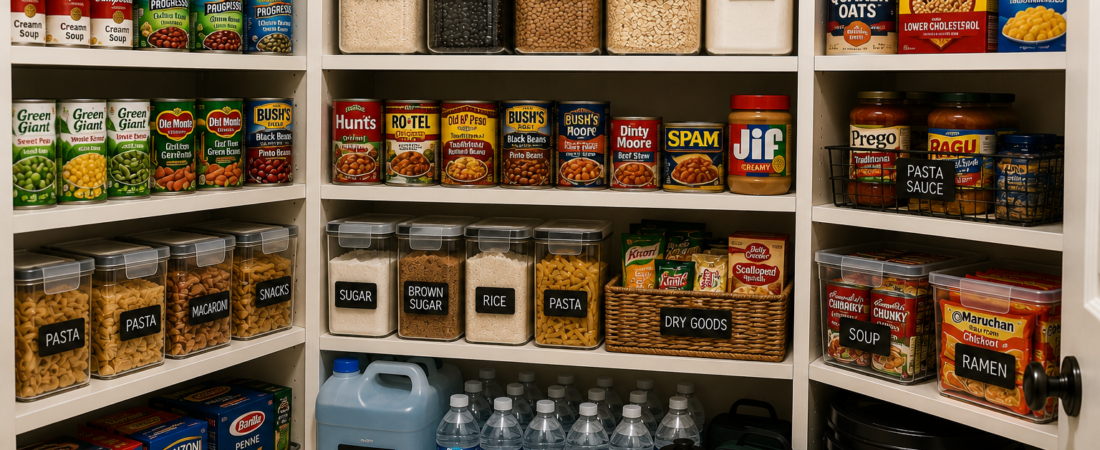
A one-year emergency food supply may sound overwhelming, but it doesn’t have to be. The biggest misconception is that you need to buy everything at once or spend thousands of dollars to be prepared. In reality, the strongest emergency pantries are usually built one grocery trip at a time. Whether you’re preparing for hurricanes, winter storms, extended power outages, or unexpected financial hardship, a well-planned pantry can provide both food security and peace of mind.
The goal isn’t to live off freeze-dried meals alone. A practical one-year food supply includes everyday foods your family already enjoys, combined with long-lasting staples that can be stored safely for years. By purchasing a little extra each week, rotating your inventory, and storing food properly, you’ll steadily create a pantry you can depend on when normal shopping isn’t an option.
Preparedness also saves money. Buying foods when they’re on sale, purchasing in bulk, and reducing food waste all help stretch your grocery budget. Instead of viewing emergency food storage as another expense, think of it as protecting your family’s future while making your everyday grocery dollars work harder.
Affiliate Disclosure: This post may contain affiliate links. I may earn a commission at no extra cost to you.
FREE Checklist: 10 Survival Foods That Could Save Your Stockpile
Start with a Plan
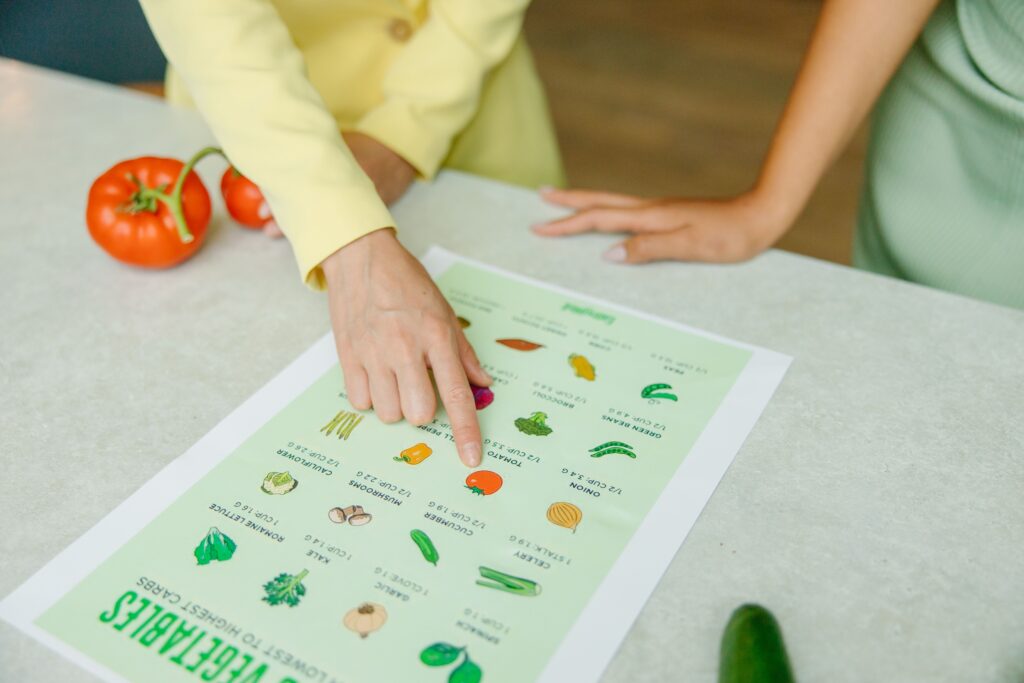
Before buying anything, determine how many people you’re storing food for and how long you want your pantry to last. For a one-year supply, you’ll need enough calories and nutrition to support everyone in your household.
Begin by making a list of foods your family eats regularly. Focus on shelf-stable items like white rice, pasta, oats, canned vegetables, canned meats, peanut butter, dry beans, flour, sugar, salt, and shelf-stable milk. If your family dislikes a particular food now, they probably won’t enjoy it during an emergency either.
Rather than trying to calculate every calorie perfectly, build a balanced pantry that includes grains, proteins, fruits, vegetables, healthy fats, and comfort foods. A variety of familiar foods helps prevent “food fatigue,” making it easier to stick with your emergency meals if they’re needed for an extended period.
Story: Preparing Before Hurricane Season
Every May, the Thompson family begins preparing for hurricane season. Instead of rushing to crowded stores when a storm is approaching, they spend a few months adding one or two extra pantry items to each grocery trip. By the time forecasts become serious, their shelves are already stocked with rice, beans, canned soups, vegetables, and bottled water. While others scramble to find empty shelves, the Thompsons simply review their inventory, replace anything they’ve used, and focus on protecting their home.
Their routine proves that consistent preparation is far less stressful than last-minute shopping.
Build Your Pantry One Week at a Time
Trying to buy a year’s worth of food in one weekend can quickly overwhelm both your budget and your storage space. A better approach is to build your pantry gradually.
For example:
- Week 1: Two bags of white rice
- Week 2: Dry beans and lentils
- Week 3: Pasta and pasta sauce
- Week 4: Canned vegetables
- Week 5: Canned chicken and tuna
- Week 6: Oatmeal and breakfast cereals
- Week 7: Peanut butter and jelly
- Week 8: Shelf-stable milk
Continue adding foods each week until your pantry begins to grow naturally. Shop sales, use coupons, and buy in bulk when prices are favorable. Over several months, even modest purchases can create an impressive emergency reserve.
Store your newest purchases behind older ones so you use the oldest items first. This simple “first in, first out” system helps reduce waste while keeping your pantry fresh.
Choose Foods That Truly Last
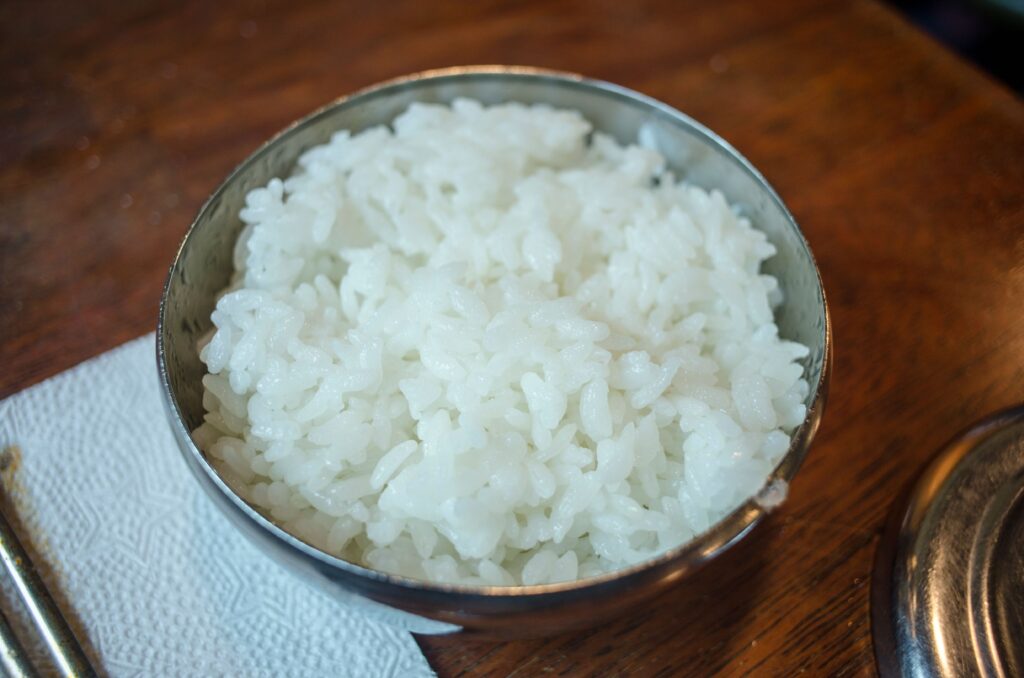
Not every grocery item belongs in a long-term pantry. Some foods remain in excellent condition for decades, while others spoil much sooner.
Excellent long-term choices include:
- White rice
- Dry beans
- Rolled oats
- Pasta
- Sugar
- Salt
- Honey
- Freeze-dried foods
- Canned vegetables
- Canned meats
- Dehydrated potatoes
Foods with shorter shelf lives include brown rice, cooking oils, whole wheat flour, granola, crackers, and nuts because they contain natural oils that eventually become rancid.
Proper storage matters just as much as the foods you choose. Store dry goods in airtight containers, food-grade buckets with Mylar bags, or glass jars when appropriate. Keep everything in a cool, dry, dark location away from moisture and temperature extremes.
Story: An Expired Surprise
After an ice storm left roads impassable for several days, Brian decided it was finally time to use the emergency pantry he’d packed years earlier. Unfortunately, several boxes of crackers were stale, bottles of cooking oil had spoiled, and bags of brown rice had developed an unpleasant smell. While much of his food remained usable, he realized he had overlooked one critical part of preparedness—regular rotation.
From that day forward, Brian checked his pantry twice a year, replacing older foods and labeling everything with purchase dates. His emergency supply became something he could trust instead of merely hope would still be good.
Don’t Forget Water and Cooking
A pantry full of food won’t help much without safe drinking water or a way to prepare meals.
Store enough water for drinking, cooking, and basic sanitation. Many preparedness experts recommend at least one gallon of water per person per day for short-term emergencies, while longer disruptions may require additional storage and reliable purification methods.
Also think about how you’ll cook if electricity or natural gas becomes unavailable. Camping stoves, propane burners, charcoal grills (used outdoors only), or solar ovens can all provide practical alternatives. Keep extra fuel on hand and learn how to use your equipment safely before an emergency occurs.
Simple meals that require little water and minimal cooking time can conserve valuable resources when supplies are limited.
Organize and Rotate Your Supplies
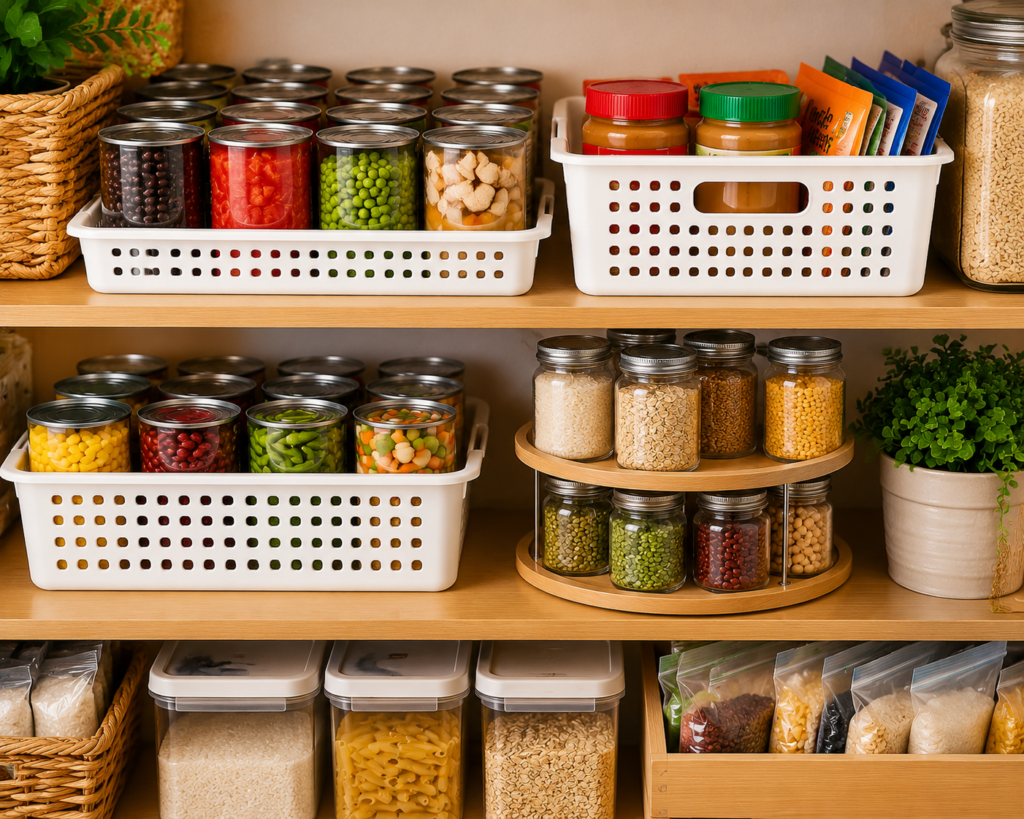
An organized pantry saves time, reduces waste, and makes inventory much easier.
Label every container with the contents and packing date. Group similar foods together so you can quickly find what you need. Keep a simple inventory sheet on the pantry door or use a notebook to track supplies.
Every six months, inspect your pantry for damaged containers, signs of pests, or foods nearing their best-by dates. Incorporate those items into your regular meals and replace them during your next shopping trip.
Preparedness isn’t about storing food and forgetting it. A well-maintained pantry becomes part of your everyday household routine.
Story: Pantry Staples During a Winter Storm
When a powerful winter storm knocked out electricity across the county, the Martinez family stayed calm. Their pantry held months of carefully rotated staples—rice, beans, canned meats, vegetables, oats, pasta, peanut butter, and powdered milk. Using a portable camp stove, they prepared simple, hearty meals while neighbors worried about empty grocery store shelves. As the days passed, they even shared extra soup and canned vegetables with an elderly couple next door.
Their preparation did more than feed their own family—it gave them the ability to help others during a difficult time.
Avoid Common Mistakes
Many people unintentionally weaken their emergency food supply by making a few avoidable mistakes.
Don’t buy foods your family refuses to eat. Avoid storing everything in hot garages or damp basements. Label containers clearly and rotate supplies regularly. Remember to include spices, seasonings, cooking oil, coffee or tea, and a few comfort foods that can lift morale during stressful situations.
It’s also wise to keep manual kitchen tools such as a hand-operated can opener, measuring cups, and basic cooking utensils with your emergency supplies.
Small, consistent improvements create a stronger pantry than one large shopping trip followed by years of neglect.
Recommended Resource: The Lost Super Foods
If you’re building a long-term emergency food supply, it’s worth learning about the foods our grandparents and earlier generations relied on before modern refrigeration and grocery stores became common.
The Lost Super Foods is a guide that explores forgotten preservation methods, shelf-stable foods, and traditional survival recipes that helped families thrive during difficult times. The guide includes practical information on food storage, preservation techniques, and nutrient-dense foods that can complement a well-stocked emergency pantry.
Whether you’re just starting your preparedness journey or looking to expand your food storage knowledge, this resource may provide valuable insights for creating a more resilient pantry.
👉 Click here to learn more about The Lost Super Foods.
Final Thoughts
Building a one-year emergency food supply isn’t about perfection—it’s about progress. Every extra bag of rice, every can of vegetables, and every shelf you organize brings you one step closer to greater food security. Emergencies often arrive with little warning, but a carefully planned pantry allows you to face them with confidence instead of uncertainty.
Like the families in these stories, you don’t need to panic when storms are forecast or store shelves begin to empty. By planning ahead, buying gradually, and rotating your supplies, you’ll create a food reserve that supports your family through unexpected challenges while saving money and reducing waste along the way.
Your next step: During your next grocery trip, buy just three extra shelf-stable foods your family already enjoys and set aside a dedicated space for your emergency pantry. Small steps taken consistently will build a dependable one-year food supply before you know it.
Related Articles
50 Pantry Foods That Last The Longest