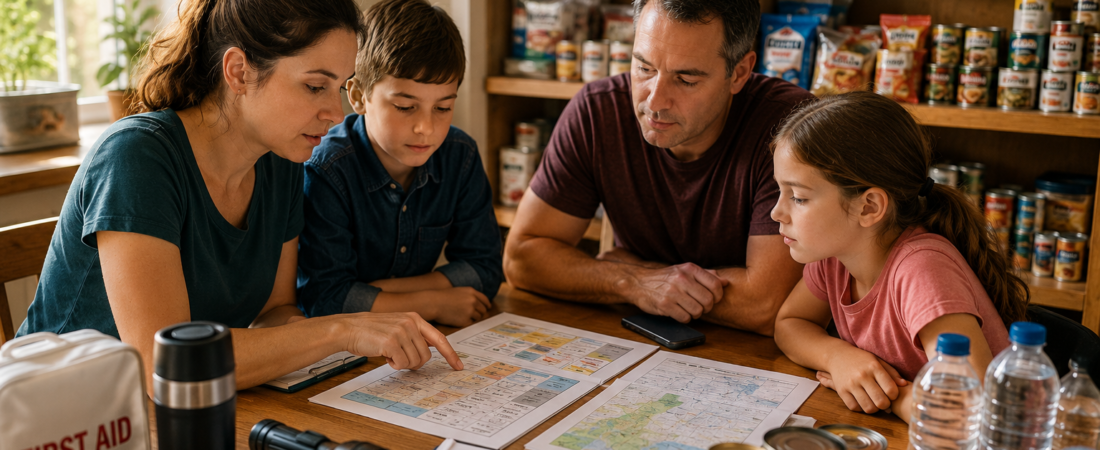
When people think about an emergency food supply, one question comes up more than almost any other:
Affiliate Disclosure: This post may contain affiliate links. I may earn a commission at no extra cost to you.
FREE Checklist: 10 Survival Foods That Could Save Your Stockpile
“How long could my food supply actually last?”
The answer isn’t as simple as counting the cans in your pantry. It depends on what foods you have, how they’re stored, how many people you’re feeding, and whether you know how to use them efficiently.
A pantry filled with foods that spoil quickly won’t provide much security during a long-term emergency. On the other hand, a carefully planned food supply made up of long-lasting staples can feed your family for weeks, months, or even years.
The good news is that you don’t need an expensive freeze-dried food collection to build a dependable pantry. Many affordable grocery store foods have surprisingly long shelf lives when stored properly in a cool, dry, and dark location.
Below are some of the best foods to include in your emergency food supply and how each one contributes to a longer-lasting pantry.
1. White Rice
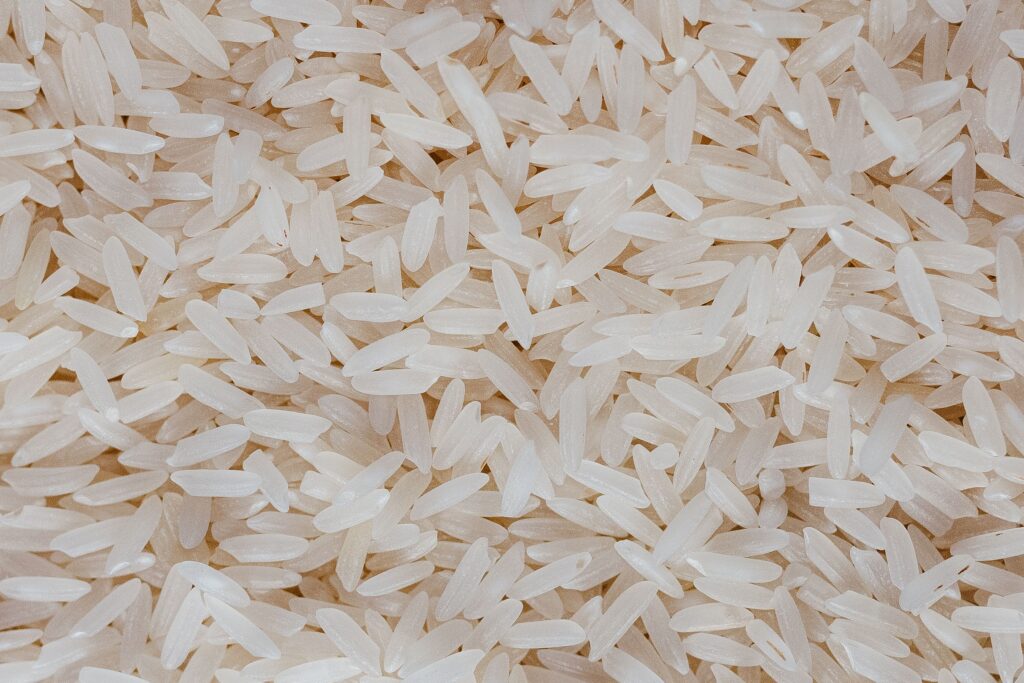
White rice has earned its place as one of the most reliable emergency foods available. Properly stored in airtight containers with oxygen absorbers, it can remain edible for decades. It is inexpensive, widely available, and easy to prepare with only water and heat.
Rice is also extremely versatile. It pairs well with beans, canned meats, vegetables, soups, and seasonings. Because it provides a large number of calories for very little cost, it can become the foundation of hundreds of different meals during an emergency.
2. Dried Beans
Beans are often called nature’s survival food because they provide both protein and fiber. Pinto, black, kidney, navy, and great northern beans all store well for many years when protected from moisture and pests.
Although older beans may require longer cooking times, they are still valuable pantry staples. Combined with rice, beans create a complete protein that helps provide balanced nutrition during extended emergencies.
3. Rolled Oats
Rolled oats are one of the easiest breakfast foods to store. They require very little preparation and can also be used in cookies, breads, granola, meatloaf, and homemade energy bars.
Besides their versatility, oats contain fiber that helps keep you feeling full longer. Stored properly, they can remain fresh for years while providing comforting meals during stressful situations.
4. Pasta
Pasta is another inexpensive pantry staple that stores exceptionally well. Dry spaghetti, macaroni, penne, and egg-free noodles can last for years when kept dry.
One advantage of pasta is its ability to stretch other ingredients. A single can of vegetables or meat can be turned into several satisfying meals simply by adding cooked pasta and a few seasonings.
Fresh vegetables are wonderful, but they don’t last long without refrigeration. Canned vegetables solve that problem by providing vitamins and minerals that remain available for years.
Corn, green beans, peas, carrots, potatoes, and mixed vegetables can all be eaten directly from the can if necessary. That makes them especially valuable during power outages or situations where cooking fuel is limited.
5. Canned Vegetables
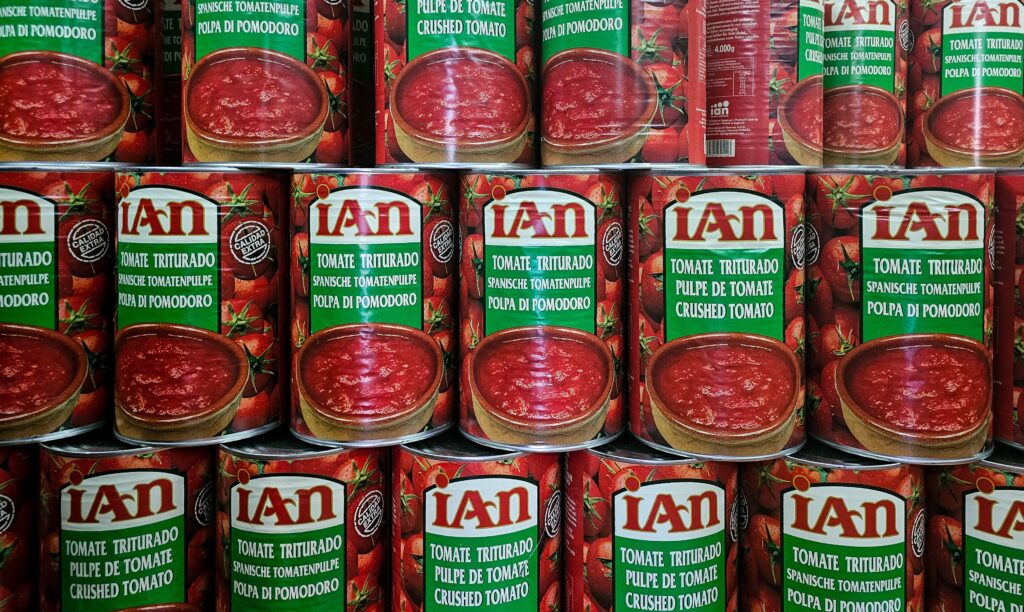
Fresh vegetables are wonderful, but they don’t last long without refrigeration. Canned vegetables solve that problem by providing vitamins and minerals that remain available for years.
Corn, green beans, peas, carrots, potatoes, and mixed vegetables can all be eaten directly from the can if necessary. That makes them especially valuable during power outages or situations where cooking fuel is limited.
6. Canned Fruit
Fruit adds variety to emergency meals while supplying natural sweetness and important nutrients. Peaches, pears, pineapple, applesauce, and mixed fruit are excellent pantry choices.
The juice or syrup inside many canned fruits can also provide hydration and flavor. Rotating these items into your regular meals ensures they stay fresh while keeping your emergency pantry stocked.
7. Canned Meat
Protein is one of the most important parts of any emergency food plan. Canned chicken, tuna, salmon, beef, and turkey require no refrigeration until opened and are ready to eat.
These foods can quickly transform plain rice, pasta, or potatoes into complete meals. Keeping several varieties on hand prevents menu fatigue and gives your family more options during an emergency.
8. Peanut Butter
Peanut butter is calorie-dense, filling, and requires no cooking. It provides protein and healthy fats that are especially important when food supplies are limited.
It can be spread on crackers, mixed into oatmeal, added to smoothies, or simply eaten by the spoonful. Because it is so convenient, peanut butter remains one of the best emergency pantry items for families.
9. Powdered Milk
Milk is often overlooked in emergency planning because fresh milk spoils quickly. Powdered milk offers a practical alternative that lasts much longer when stored properly.
Besides drinking it, powdered milk can be used in baking, soups, casseroles, mashed potatoes, and many homemade recipes. Having milk available can greatly expand your cooking options.
10. Honey
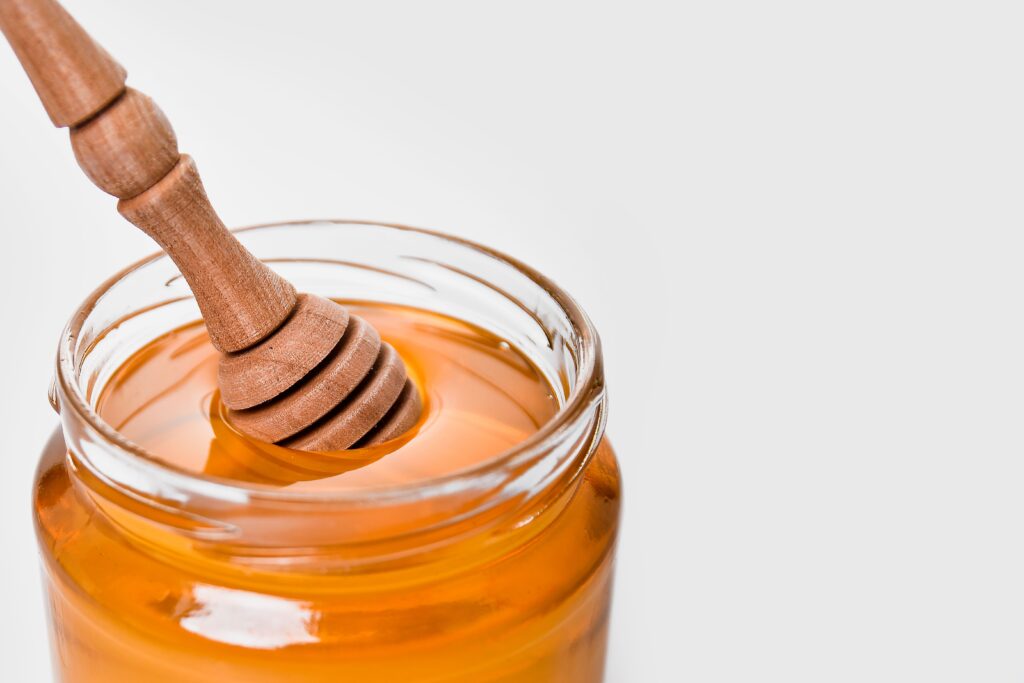
Honey is famous for its incredible shelf life. Archaeologists have even discovered ancient honey that remained edible after thousands of years.
Crystallization is normal and does not mean honey has gone bad. Simply warming the container gently returns it to a liquid state. Honey serves as both a sweetener and a natural energy source.
11. Salt
Salt is essential for more than seasoning food. It also plays an important role in preserving foods and supporting normal body functions.
Because salt has an almost unlimited shelf life, it is one of the easiest preparedness items to store. A few inexpensive containers can last an average family for a very long time.
12. Cooking Oils
Fats are an important source of calories, making cooking oils valuable additions to any emergency pantry. Vegetable oil, olive oil, coconut oil, and shortening all have different storage lives.
Unlike many dry foods, oils eventually become rancid. Rotating your supply regularly ensures you always have fresh cooking fats available for meal preparation.
13. Flour
Flour allows you to prepare breads, biscuits, pancakes, tortillas, dumplings, and countless other recipes. It greatly expands what you can cook from basic pantry ingredients.
Because flour has a shorter shelf life than rice or beans, it should be rotated more frequently. Proper storage in airtight containers helps maximize freshness.
14. Sugar
Sugar stores for decades when kept dry. It doesn’t spoil but may harden into large lumps over time.
Besides sweetening foods, sugar is useful for baking, preserving fruit, and boosting morale during difficult situations. Familiar treats can provide comfort during stressful emergencies.
15. Instant Potatoes
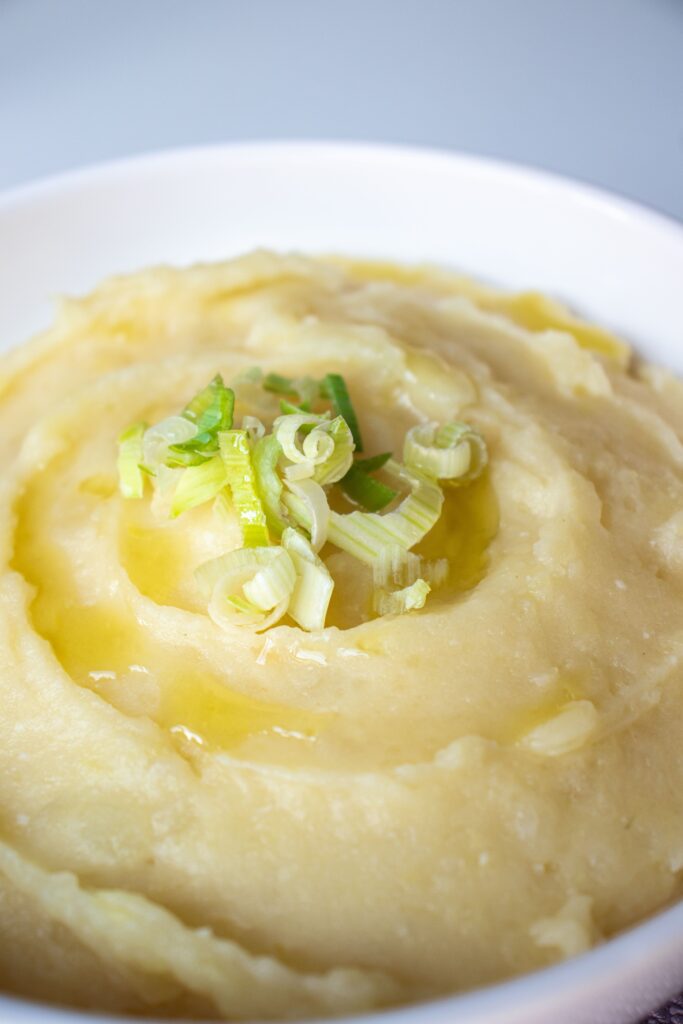
Instant mashed potatoes require very little fuel or cooking time, making them ideal during emergencies.
They also work well as soup thickeners and casserole ingredients. Their convenience makes them one of the easiest backup foods to prepare when resources are limited.
Tips for Making Your Food Supply Last Longer
Even the best emergency foods won’t last if they’re stored improperly. Heat, humidity, moisture, pests, and direct sunlight are the biggest enemies of long-term food storage. Keep your pantry in the coolest, driest part of your home whenever possible.
Practice the “first in, first out” method by using your oldest foods first and replacing them with new purchases. This simple habit keeps your emergency pantry fresh while reducing waste.
It’s also important to store enough water for drinking and cooking. Many shelf-stable foods require water to prepare, so a food supply without an adequate water supply may not be as useful as you expect.
Finally, build your pantry gradually. Purchasing a few extra items during each grocery trip is often easier on the budget than trying to buy months of food all at once.
FREE Checklist: 10 Survival Foods That Could Save Your Stockpile
Download Your Free Survival Foods Checklist Here
Frequently Asked Questions
How much food should I store per person?
Many preparedness experts recommend starting with at least a two-week supply of food for every household member. From there, many families work toward storing one to three months of food based on their budget, available space, and personal goals.
What food lasts the longest?
Some of the longest-lasting foods include white rice, dried beans, honey, salt, sugar, and properly stored grains. Shelf life varies depending on storage conditions, packaging, temperature, and humidity.
Should I buy freeze-dried food?
Freeze-dried foods can be an excellent addition to an emergency pantry because of their long shelf life and convenience. However, many families can build a dependable food supply using affordable grocery store staples before investing in specialty emergency food products.
How often should I rotate my emergency food?
Check your pantry at least twice a year. Use foods nearing their best-by dates in everyday meals and replace them with fresh items to keep your emergency supply ready when you need it.
Final Thoughts
How long your food supply lasts depends largely on the choices you make today. A pantry filled with long-lasting staples such as rice, beans, oats, pasta, canned foods, and other shelf-stable essentials can provide reliable meals during unexpected emergencies.
Preparedness isn’t about fear—it’s about peace of mind. By building your food supply one item at a time, rotating your stock regularly, and learning how to turn simple ingredients into satisfying meals, you’ll be far better prepared for whatever tomorrow may bring.
Check your pantry at least twice a year. Use foods nearing their best-by dates in everyday meals and replace them with fresh items to keep your emergency supply ready when you need it.
Related Articles
How To Safely Store Food In A Deep Freezer