
A deep freezer is one of the best investments you can make for preserving food, reducing waste, and building an emergency food supply. Whether you’re stocking up during grocery sales, preserving a home harvest, or preparing for unexpected situations, storing food correctly helps maintain quality, flavor, and safety.
The good news is that safe freezer storage isn’t complicated. By following a few proven practices, you can keep food fresher for longer while making your freezer easier to organize and manage.
Affiliate Disclosure:
This article contains affiliate links. If you purchase through these links, I may earn a commission at no additional cost to you.
Download our FREE Emergency Foods Checklist and discover shelf-stable foods that every prepared household should keep on hand.
Get Your FREE Checklist: 10 Survival Foods That Could Save Your Stockpile Here:
Why Use a Deep Freezer?
Unlike the freezer compartment attached to most refrigerators, a dedicated deep freezer provides more storage space and maintains a more consistent temperature. This helps preserve food quality over longer periods.
Benefits include:
- Saving money by buying food in bulk
- Reducing food waste
- Preserving seasonal produce
- Preparing meals ahead of time
- Building an emergency food reserve
A properly maintained deep freezer can become one of the most valuable tools in your kitchen.
Keep Your Freezer at the Right Temperature
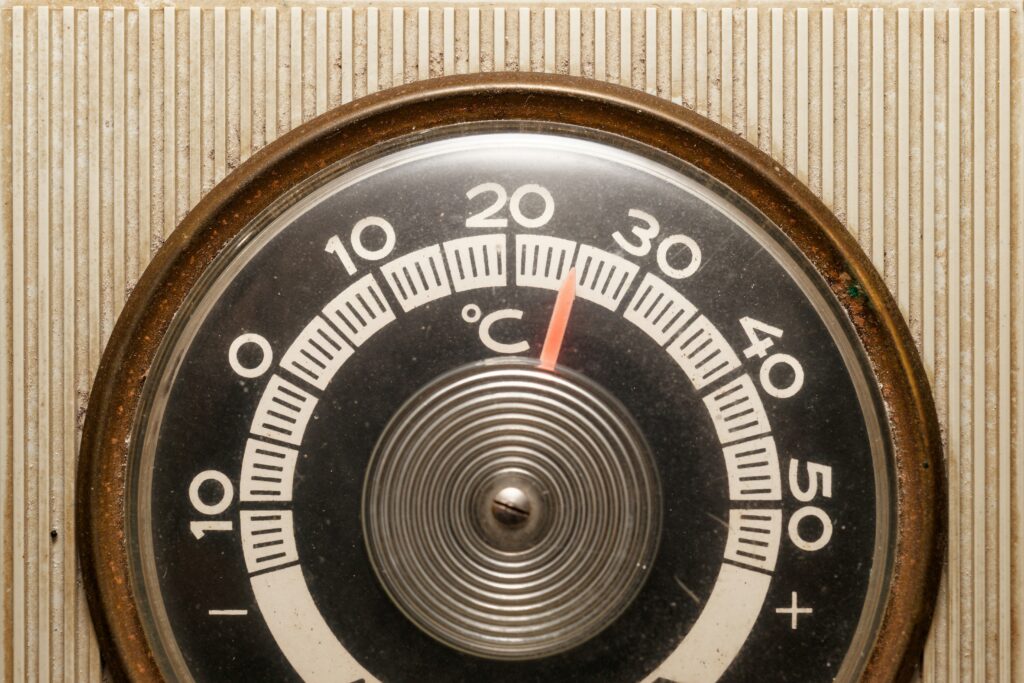
For safe long-term storage, your freezer should remain at 0°F (-18°C) or colder.
At this temperature:
Use an inexpensive freezer thermometer to verify the internal temperature, especially during hot summer months or after power outages.
Choose the Right Packaging
One of the biggest causes of freezer burn is exposure to air.
To protect your food:
Proper packaging preserves flavor, texture, and moisture.
Label Everything
It may seem unnecessary today, but six months from now you’ll appreciate clear labels.
Each package should include:
- Food name
- Date frozen
- Quantity (optional)
- Cooking instructions (optional)
Permanent markers work well on freezer bags, while freezer labels stay attached even in cold conditions.
Organize by Food Type
A messy freezer wastes time and often leads to forgotten food.
Consider grouping items such as:
- Beef
- Chicken
- Pork
- Fish
- Vegetables
- Fruits
- Bread
- Prepared meals
- Soups and stews
- Baking ingredients
Plastic baskets or stackable bins make organization much easier.
Practice First In, First Out (FIFO)
Always use the oldest food first.
Whenever you add new food:
- Place newer packages underneath or behind older ones.
- Keep similar foods together.
- Review your freezer every month.
FIFO reduces waste and keeps your inventory fresh.
Foods That Freeze Well
Many foods freeze exceptionally well when packaged correctly.
Excellent choices include:
- Beef
- Chicken
- Turkey
- Pork
- Fish
- Ground meat
- Frozen vegetables
- Corn
- Peas
- Broccoli
- Berries
- Bread
- Butter
- Cheese (many varieties)
- Homemade soups
- Chili
- Cooked rice
- Cooked beans
- Pasta sauces
- Bone broth
These foods maintain excellent quality when frozen properly.
Foods That Don’t Freeze Well
Some foods lose texture after freezing.
Examples include:
- Lettuce
- Cucumbers
- Raw potatoes
- Watermelon
- Cream-based sauces
- Mayonnaise
- Sour cream
- Soft cheeses
- Fried foods
While some are still safe after thawing, they may become watery or mushy.
Prevent Freezer Burn
Freezer burn occurs when moisture escapes from food.
To minimize it:
- Remove excess air from packages.
- Use quality freezer bags.
- Avoid damaged packaging.
- Freeze foods quickly.
- Keep freezer temperature consistent.
- Avoid leaving the lid open too long.
Although freezer-burned food is generally safe, its quality is greatly reduced.
Don’t Overfill—or Underfill
A full freezer stays cold longer than an empty one.
However:
- Leave enough room for cold air circulation.
- Don’t block air vents.
- Freeze fresh foods in smaller batches rather than adding large warm loads all at once.
Balance is the key to efficient freezing.
Freeze Food Quickly
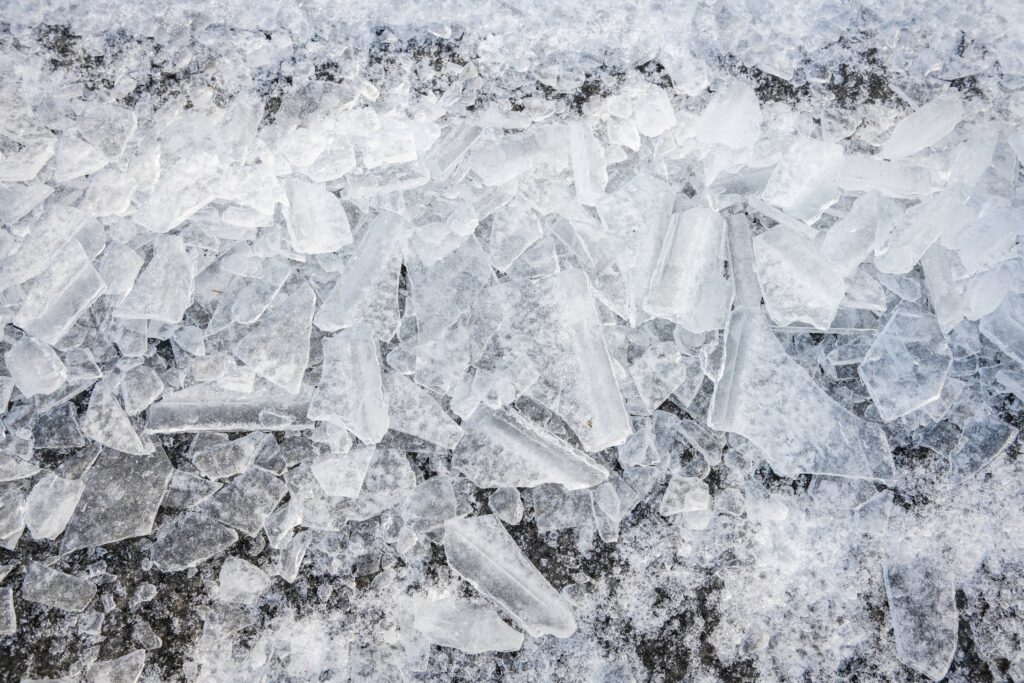
The faster food freezes, the smaller the ice crystals that form.
Smaller ice crystals help preserve:
- Texture
- Moisture
- Flavor
- Appearance
Spread packages out when first freezing, then stack them once completely frozen.
Be Prepared for Power Outages
A deep freezer is especially valuable during emergencies.
To protect your food:
- Keep the lid closed.
- Avoid opening it unnecessarily.
- Keep a freezer thermometer inside.
- Consider a backup generator if outages are common.
- Freeze containers of water to help maintain cold temperatures.
A full freezer can often keep food frozen for around 48 hours if left unopened.
Create a Freezer Inventory
Many people forget what they already have.
Keep a simple inventory sheet with:
- Food item
- Quantity
- Date frozen
- Location in freezer
Update it whenever food is added or removed.
This prevents duplicate purchases and helps rotate older food first.
Clean Your Freezer Regularly
Every few months:
- Remove expired items.
- Wipe shelves and baskets.
- Check package condition.
- Reorganize categories.
- Update your inventory.
Routine maintenance keeps everything easy to find.
Build an Emergency Food Supply
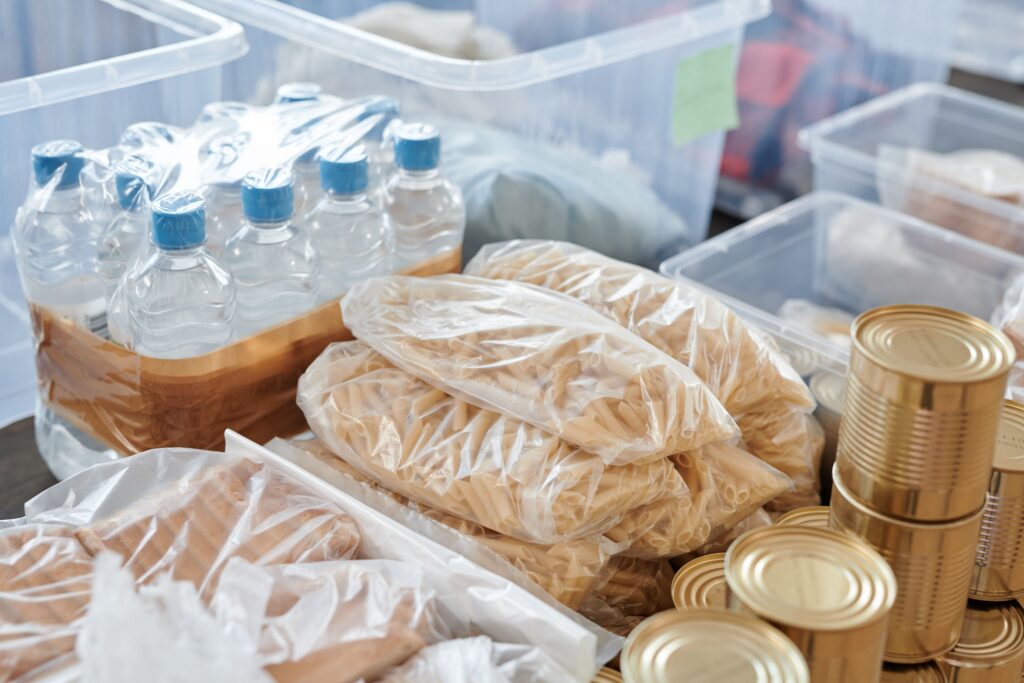
A deep freezer works best when paired with shelf-stable pantry foods.
Consider storing:
- Rice
- Dry beans
- Pasta
- Oats
- Canned vegetables
- Canned meat
- Peanut butter
- Powdered milk
- Freeze-dried foods
Combining frozen and shelf-stable foods creates a more reliable emergency food supply.
Final Thoughts
A deep freezer is much more than extra storage space—it is a practical tool for saving money, reducing waste, and preparing for the unexpected. By maintaining the correct temperature, using quality packaging, labeling every package, and organizing your freezer effectively, you can keep food fresh and ready when you need it.
With a little planning, your deep freezer can support everyday meal preparation while also providing peace of mind during emergencies. Start with good storage habits today, and you’ll enjoy safer, longer-lasting food for months to come.
Quick Freezer Storage Checklist
✔ Keep freezer at 0°F (-18°C) or below
✔ Vacuum seal or use freezer-grade packaging
✔ Remove excess air from bags
✔ Label every package with contents and date
✔ Organize by food category
✔ Rotate food using the FIFO method
✔ Prevent freezer burn with airtight packaging
✔ Keep a freezer inventory
✔ Limit how often the lid is opened
✔ Pair frozen foods with shelf-stable pantry staples for a balanced emergency food supply
Final Thoughts
FREE Checklist: 10 Survival Foods That Could Save Your Stockpile
Ready to build a pantry that can handle emergencies?
Start by adding just a few long-lasting foods to your next grocery trip. Small steps today can lead to a well-stocked pantry tomorrow.
Affiliate Disclosure: This article contains affiliate links. If you purchase through these links, I may earn a commission at no additional cost to you.
Looking for even more time-tested food storage ideas? The Lost Super Foods reveals forgotten preservation methods and long-lasting foods that helped families thrive before modern refrigeration. It’s an excellent resource for anyone serious about building a dependable emergency pantry.