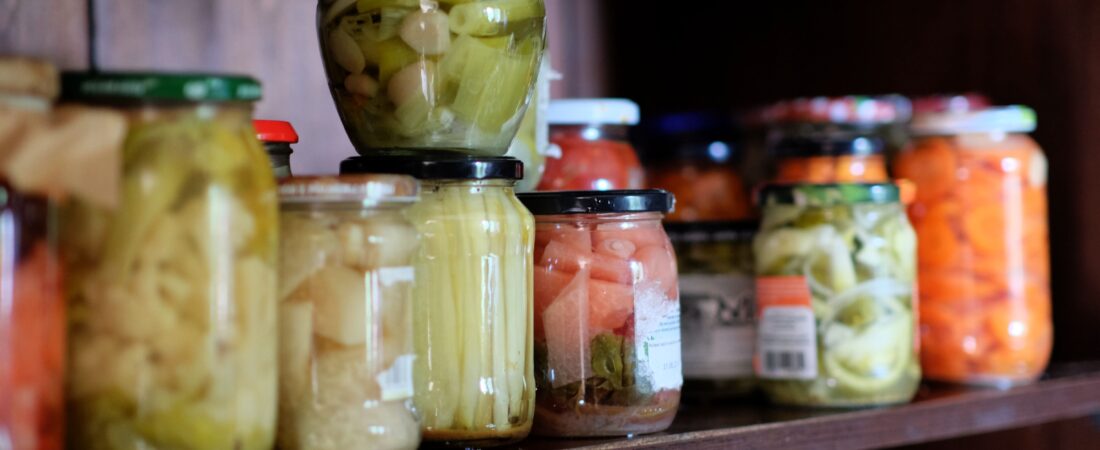
Building an emergency food supply, including long-lasting prepper foods, is one of the smartest steps you can take to prepare for unexpected situations. Whether you’re dealing with severe weather, power outages, job loss, or supply chain disruptions, having long-lasting prepper foods on hand provides security and peace of mind.
Affiliate Disclosure: This post may contain affiliate links. I may earn a commission at no extra cost to you.
FREE Checklist: 10 Survival Foods That Could Save Your Stockpile
Download your FREE Survival Foods Checklist Here
The best prepper foods are affordable, nutritious, easy to store, and capable of lasting for years when kept under the proper conditions. While no food lasts forever, many pantry staples can remain safe and maintain excellent quality for decades if stored correctly.
This guide covers 25 prepper foods that deserve a place in every long-term emergency pantry.
1. White Rice
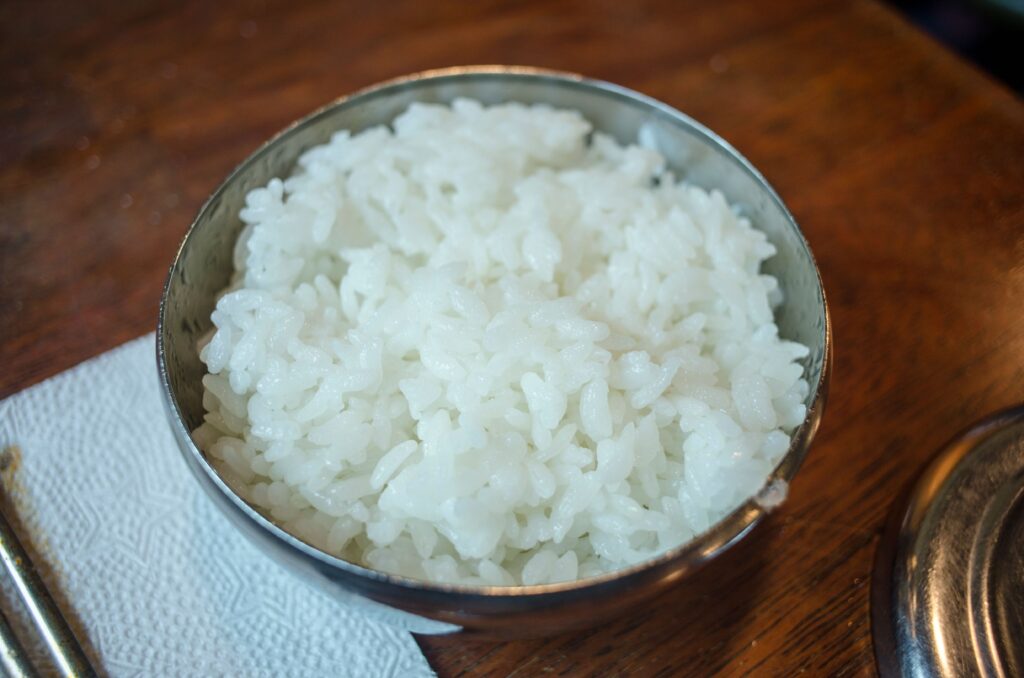
White rice is one of the most popular emergency foods because it is inexpensive, filling, and extremely versatile. When packaged in mylar bags with oxygen absorbers and stored in food-grade buckets, it can last for decades.
2. Dry Beans
Pinto, black, navy, kidney, and great northern beans provide protein, fiber, and essential nutrients. Older beans may require longer cooking times, but they remain an outstanding long-term storage food.
3. Lentils
Lentils cook much faster than most beans, making them an excellent option when cooking fuel is limited. They are also rich in protein and fiber.
4. Rolled Oats
Oats are perfect for breakfast but can also be added to breads, cookies, and soups. Properly stored oats remain fresh for many years.
5. Pasta
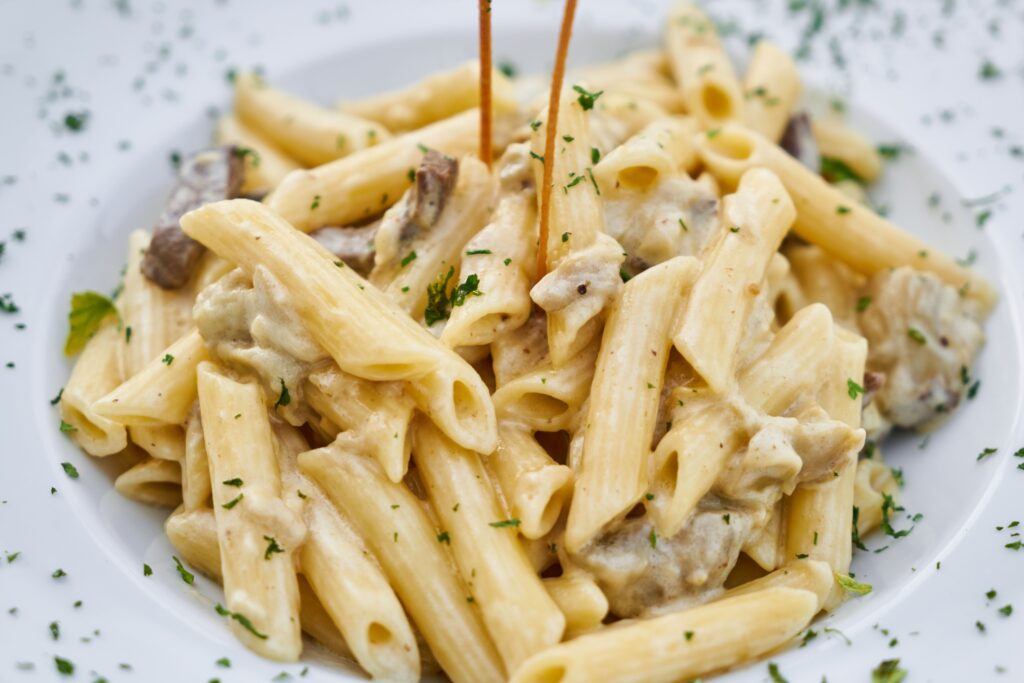
Dried pasta stores exceptionally well and can be used in countless meals. It pairs easily with canned meats, vegetables, or simple seasonings.
6. White Flour
White flour has a longer shelf life than whole wheat flour because it contains less oil. Store it in airtight containers in a cool, dry location.
7. Whole Wheat Berries
Many experienced preppers store whole wheat berries instead of flour because they last much longer. They can be ground into fresh flour whenever needed.
8. Cornmeal
Cornmeal is useful for making cornbread, muffins, pancakes, and other simple recipes. Proper storage helps preserve its quality for years.
9. Sugar
Granulated sugar has an almost unlimited shelf life if kept dry. Even if it hardens over time, it remains usable once broken apart.
10. Salt
Salt never truly expires and is valuable for seasoning, food preservation, and fermentation.
11. Honey
Honey is famous for its incredible shelf life. It may crystallize naturally, but gentle warming returns it to a liquid state without harming its quality.
12. Powdered Milk
Powdered milk supplies calcium and protein when fresh dairy products aren’t available. It works well for cooking, baking, and drinking.
13. Powdered Eggs
Powdered eggs provide a convenient backup for baking and meal preparation during emergencies.
14. Peanut Butter
Peanut butter offers healthy fats, protein, and calories with no preparation required. Because of its natural oils, it should be rotated regularly.
15. Canned Vegetables
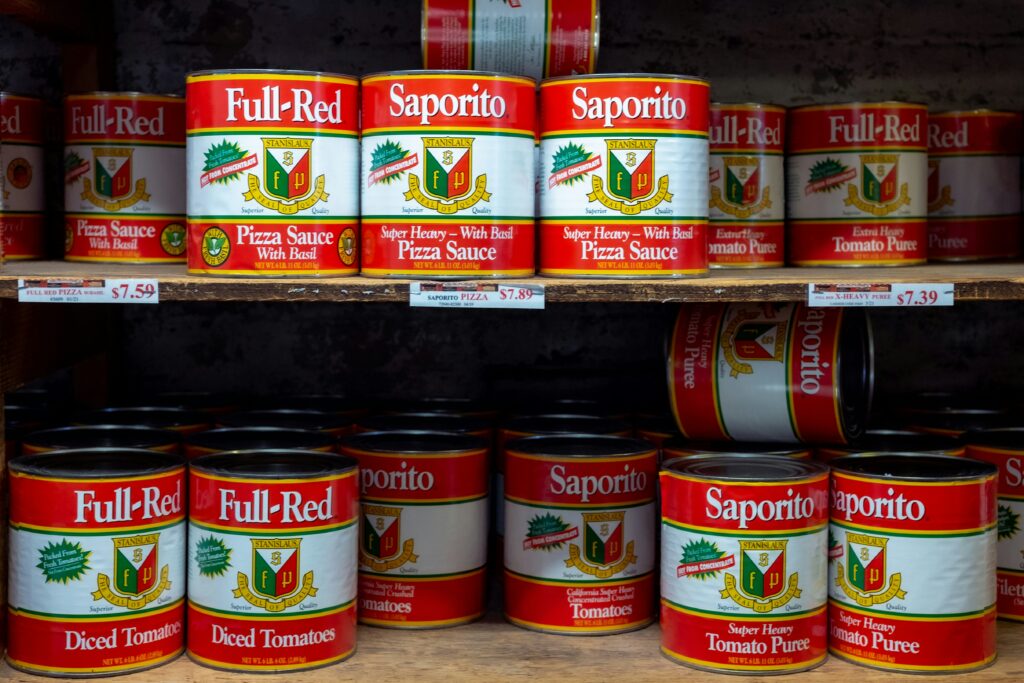
Canned vegetables provide valuable vitamins and minerals while adding variety to emergency meals. As long as cans remain undamaged, they often stay safe well beyond their best-by dates.
16. Canned Fruits
Fruit packed in juice or syrup offers both nutrition and hydration, making it a valuable addition to any emergency pantry.
17. Canned Meats
Chicken, tuna, salmon, turkey, and beef provide ready-to-eat protein that requires no refrigeration until opened.
18. Freeze-Dried Fruits
Freeze-dried fruits retain much of their original flavor and nutrition while taking up very little storage space.
19. Freeze-Dried Vegetables
These lightweight foods rehydrate quickly and work well in soups, casseroles, rice dishes, and stews.
20. Freeze-Dried Meats
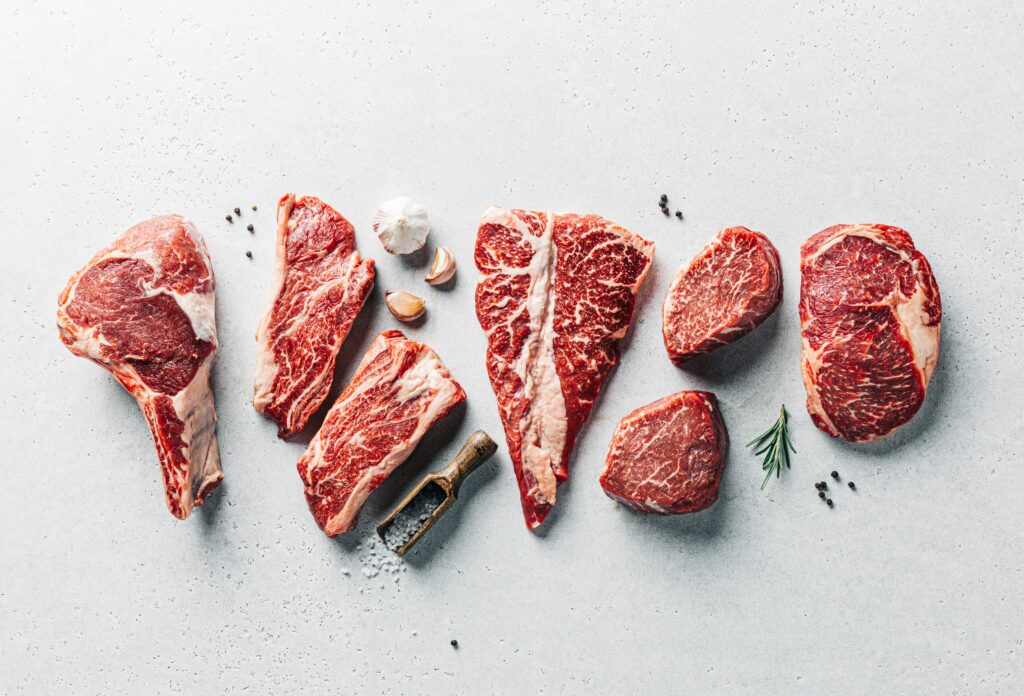
Although more expensive than canned meats, freeze-dried meats often have shelf lives of 25 years or more when unopened.
21. Instant Potatoes
Instant mashed potatoes require only hot water and cook within minutes, making them ideal during emergencies.
22. Bouillon Cubes
Simple seasonings can transform basic rice, beans, and pasta into much more enjoyable meals. Bouillon cubes take up very little room while adding significant flavor.
23. Cooking Oils
Cooking oils are essential for food preparation but should be rotated frequently because they eventually become rancid. Choose oils known for longer shelf lives whenever possible.
24. Coffee and Tea
Coffee and tea provide comfort during stressful situations and store well when protected from moisture.
25. Herbs and Spices
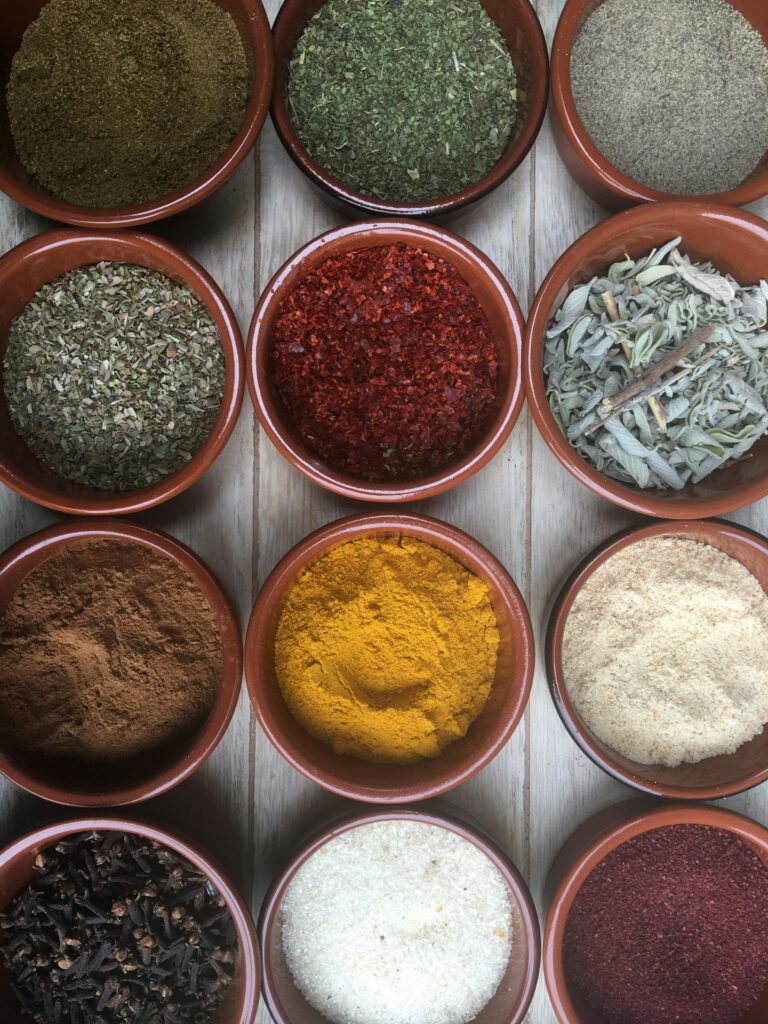
A pantry filled with basic seasonings helps prevent menu fatigue. Even simple meals become much more enjoyable with different herbs and spices.
How to Store Prepper Foods Properly
Buying long-lasting food is only half the equation. Proper storage can dramatically increase shelf life.
For the best results:
- Store foods between 50°F and 70°F whenever possible.
- Keep foods in a cool, dry, dark location.
- Protect foods from moisture, insects, rodents, and direct sunlight.
- Use airtight containers for opened packages.
- Consider mylar bags with oxygen absorbers for dry foods.
Proper storage preserves both flavor and nutritional value while reducing food waste.
Rotate Your Food Supply
Even foods with very long shelf lives should become part of your regular meal planning.
A simple rotation system works best:
- Place newly purchased items behind older ones.
- Label containers with packaging dates.
- Check your pantry every few months.
- Replace foods as they are used.
This approach keeps your emergency pantry fresh without requiring large replacement costs.
Build Your Pantry a Little at a Time
Creating an emergency food supply doesn’t have to happen overnight. Many families simply purchase one or two extra shelf-stable items during each grocery trip. Over time, those small additions grow into a well-stocked pantry capable of supporting the household during unexpected events.
The goal isn’t to create fear—it’s to create confidence. Knowing you have dependable food available allows you to focus on your family instead of worrying about empty grocery shelves.
Final Thoughts
The best emergency pantry combines foods that are nutritious, affordable, and capable of lasting for years. White rice, dry beans, oats, pasta, canned goods, freeze-dried foods, and other shelf-stable staples create a solid foundation that can help families weather emergencies with greater peace of mind.
By storing food properly, rotating supplies regularly, and adding to your pantry over time, you’ll be well on your way to building an emergency food reserve that is both practical and reliable for years to come.
Want to build a stronger emergency pantry? Check out the article links below:
Emergency Foods Families Depend On
100 Emergency Food Meals You Can Make
How To Store Food Without A Basement
Recommended Resource: The Lost Super Foods
If you’re building a long-term emergency food supply, it’s worth learning about the foods our grandparents and earlier generations relied on before modern refrigeration and grocery stores became common.
The Lost Super Foods is a guide that explores forgotten preservation methods, shelf-stable foods, and traditional survival recipes that helped families thrive during difficult times. The guide includes practical information on food storage, preservation techniques, and nutrient-dense foods that can complement a well-stocked emergency pantry.
Whether you’re just starting your preparedness journey or looking to expand your food storage knowledge, this resource may provide valuable insights for creating a more resilient pantry.