Introduction
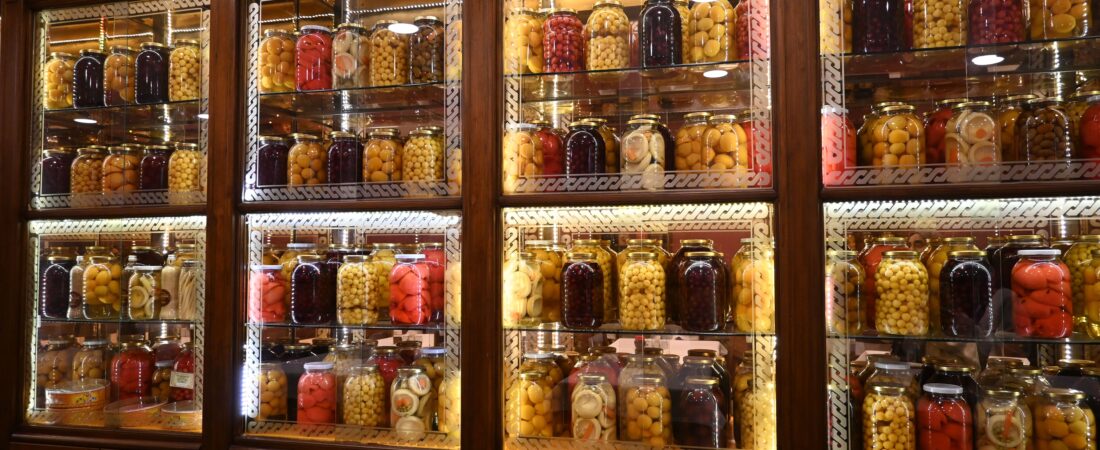
When people think about long-term food storage, they often picture a cool basement lined with shelves full of neatly organized supplies. But what if your home doesn’t have one? How can you store food without a basement?
Whether you live in a single-story house, an apartment, a townhouse, or a condominium, you can still build an emergency food supply that is organized, protected, and easy to maintain. The secret isn’t having more space—it’s making smart use of the space you already have.
Many families avoid starting an emergency pantry because they believe they don’t have enough room. In reality, unused storage space exists in almost every home. With a little planning, closets, spare rooms, kitchen cabinets, under-bed storage, and other overlooked areas can become valuable places to store food.
In this guide, you’ll learn practical ways to store food safely without a basement, how to protect it from heat and moisture, and how to create an emergency pantry that works for your home and lifestyle.
Even if you don’t have a cellar, you can safely store these foods by following our guide on 25 Pantry Foods That Last the Longest.
Start by Looking for the Right Environment
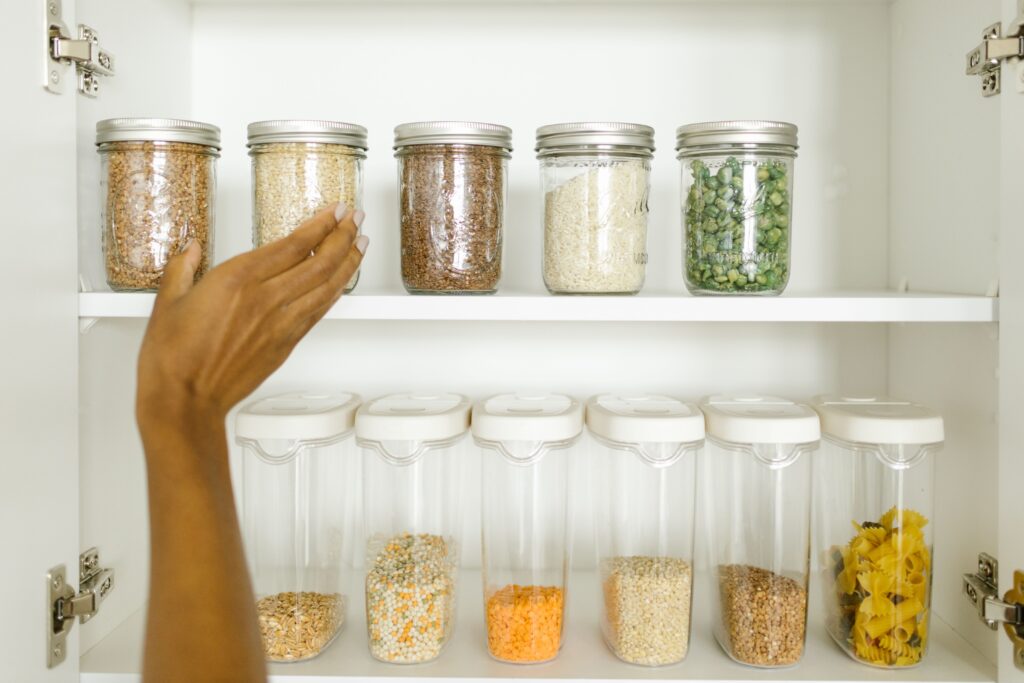
The ideal place to store food is cool, dry, clean, and away from direct sunlight. These conditions help preserve quality and extend shelf life.
Many people assume they need a large dedicated storage room, but that’s rarely necessary. Instead, walk through your home and look for places where temperatures remain fairly consistent throughout the year.
Interior closets, spare bedrooms, laundry room cabinets, hallway closets, and pantry shelves often provide better storage conditions than garages or attics.
Think of your home as a collection of smaller storage spaces rather than one large pantry.
Turn Everyday Spaces Into Food Storage Areas
One of the easiest ways to expand your food storage is by using areas that already exist.
A linen closet may have unused shelves that can hold canned goods or dry foods. Kitchen cabinets often have room above existing items for stackable storage bins. Deep cabinets can be reorganized with shelf risers to double their usable space.
The space beneath beds is another overlooked storage area. Low-profile containers can hold sealed dry goods, canned foods, or emergency supplies while remaining completely out of sight.
Furniture can also work double duty. Storage benches, ottomans, and coffee tables with hidden compartments provide discreet places to keep emergency food while blending into your home’s décor.
By spreading food throughout your home, you reduce clutter while making better use of available space.
Create a Small Pantry Instead of One Large Storage Area
Many beginners believe all emergency food must be stored in one location.
Instead, think in zones.
Keep everyday pantry items in the kitchen where they’re easy to access. Store long-term supplies in closets or spare rooms. Reserve another location for emergency cooking equipment, bottled water, or backup supplies.
This approach makes organization easier and allows you to rotate food naturally as part of your regular grocery routine.
Even a modest home can hold several months’ worth of food when storage is divided into manageable sections.
Pay Attention to Temperature
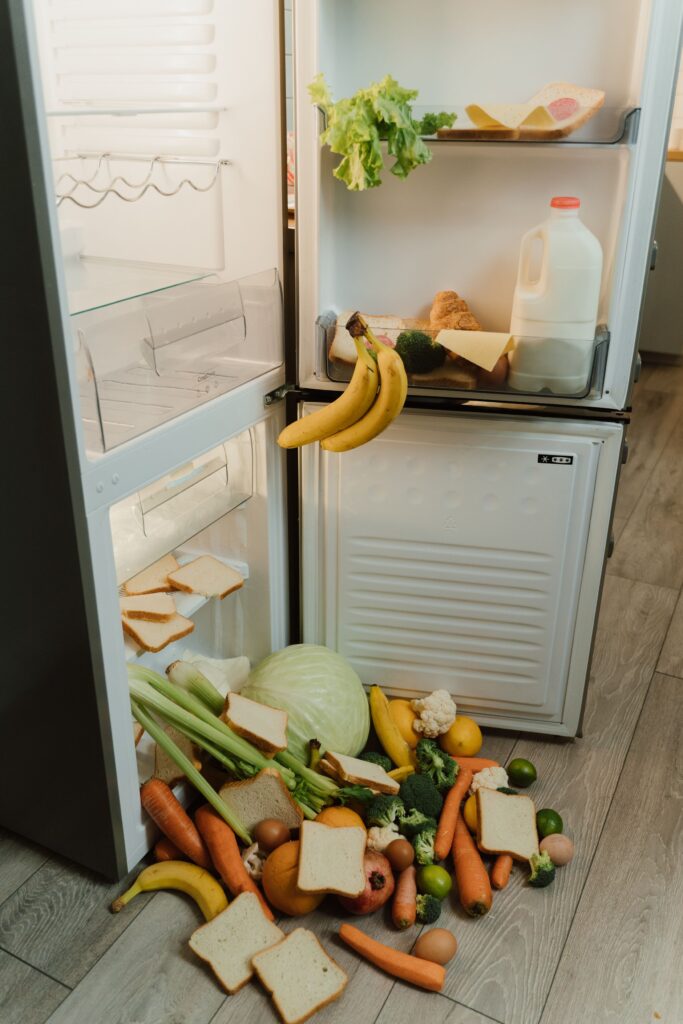
Temperature is one of the biggest factors affecting food quality.
Frequent exposure to heat shortens the shelf life of canned foods, packaged goods, and dry ingredients. While occasional warm days won’t ruin your pantry, consistently high temperatures can reduce quality over time.
Avoid storing food in locations that become extremely hot during summer or cold during winter.
Garages, sheds, unfinished attics, and outdoor storage buildings often experience large temperature swings that make them poor choices for long-term storage.
Instead, choose interior areas where temperatures remain relatively stable throughout the year.
Protect Food From Moisture
Moisture can damage labels, encourage rust on cans, and shorten the life of dry foods if packaging becomes compromised.
Keep food away from water heaters, washing machines, plumbing leaks, and damp walls.
If you notice condensation or high humidity in a storage area, improve ventilation before placing food there.
Simple shelving that keeps supplies a few inches off the floor also provides protection against minor water problems and makes cleaning easier.
A dry pantry is usually a dependable pantry.
Make Organization a Priority
Organization saves time and prevents waste.
Arrange foods so the oldest items remain in front while newer purchases are placed behind them. This simple “first in, first out” method helps ensure nothing sits forgotten for years.
Label shelves or storage bins according to categories rather than expiration dates alone. Group similar foods together so you can quickly see what needs replenishing during grocery shopping.
Keeping an inventory sheet nearby makes it even easier to track supplies without opening every container.
A well-organized pantry encourages regular use instead of becoming a forgotten storage area.
Think About Accessibility
An emergency pantry should be easy to use, not difficult to reach.
Avoid stacking heavy boxes where they become unstable or difficult to lift. Leave enough space to remove containers without rearranging an entire shelf.
If you store food under beds or in closets, use containers with handles or wheels whenever possible. This makes rotation easier and keeps supplies accessible if you need them quickly.
The easier your pantry is to maintain, the more likely you’ll continue using it properly.
Don’t Forget Pest Prevention
Food storage isn’t just about finding space—it also means protecting your investment.
Inspect storage areas regularly for signs of insects or rodents.
Keep shelves clean, wipe up spills promptly, and avoid leaving open food packages exposed.
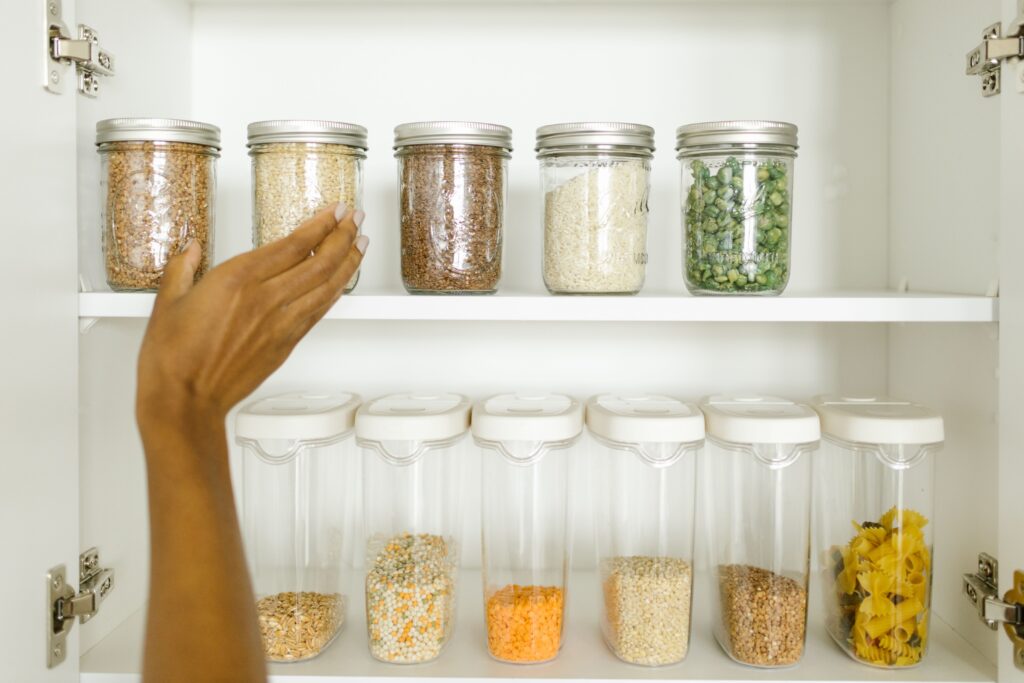
Dry goods that have been opened should be transferred to airtight containers whenever practical. This helps preserve freshness while discouraging unwanted pests.
Regular inspections only take a few minutes but can prevent costly losses.
Build Your Pantry Gradually
One of the biggest misconceptions about emergency preparedness is that you need to buy everything at once.
A much more practical approach is to add a few extra items during each grocery trip.
Over time, those small additions become a well-stocked pantry without placing unnecessary strain on your budget.
This gradual method also allows you to learn what your family actually uses, making future purchases more effective.
Preparedness is built through consistency, not speed.
Make Food Rotation Part of Everyday Life
The best emergency pantry is one that serves you every week—not just during emergencies.
Use stored foods in your regular meal planning and replace them during routine shopping trips.
This habit keeps your pantry fresh while reducing food waste and making preparedness feel like a normal part of household management.
Rather than storing food and forgetting about it, think of your emergency pantry as an extension of your everyday kitchen.
Common Mistakes to Avoid
Many storage problems have simple solutions.
One common mistake is choosing locations based solely on available space instead of environmental conditions. A large garage may seem ideal until summer temperatures begin affecting food quality.
Another mistake is buying foods your family rarely eats. Emergency supplies should include familiar items that everyone will actually enjoy.
Poor organization can also become a problem. Without a simple rotation system, perfectly good food may remain unused until quality declines.
Finally, avoid trying to create the perfect pantry overnight. Preparedness is a long-term project that improves with steady effort.
Peace of Mind Doesn’t Require a Basement
Having a basement may offer additional storage space, but it isn’t a requirement for building a dependable emergency pantry.
Families across the country successfully store food in apartments, townhomes, manufactured homes, and houses without basements by making thoughtful use of closets, cabinets, spare rooms, and other available spaces.
The goal isn’t to create an impressive storage room—it’s to ensure your household has reliable food available whenever unexpected situations arise.
With careful planning, proper organization, and consistent rotation, your home can support a practical emergency pantry regardless of its size.
Final Thoughts
Building a food reserve without a basement is entirely achievable. Focus on finding cool, dry areas within your home, organizing supplies in manageable sections, and rotating food regularly so nothing goes to waste.
Every shelf you organize and every grocery trip that adds a few extra items, brings you one step closer to greater preparedness. Over time, those small efforts create a pantry that offers convenience in everyday life and confidence in unexpected situations.
Remember, the size of your home doesn’t measure successful food storage—it’s measured by how well you use the space you have.
Affiliate Disclosure
Affiliate Disclosure: This article may contain affiliate links. If you purchase through one of these links, I may earn a small commission at no extra cost to you. I only recommend products I believe can provide genuine value to my readers.
Free Emergency Foods Checklist
Ready to start building your emergency pantry?
Download our FREE Emergency Foods Checklist: 10 Survival Foods That Could Save Your Stockpile. Help you organize your storage space, track your supplies, and plan future grocery trips with confidence. It’s an easy way to stay organized as your pantry grows.
Download the FREE Emergency Foods Checklist here
Recommended Resource: The Lost Super Foods
If you’re building a long-term emergency food supply, it’s worth learning about the foods our grandparents and earlier generations relied on before modern refrigeration and grocery stores became common.
The Lost Super Foods is a guide that explores forgotten preservation methods, shelf-stable foods, and traditional survival recipes that helped families thrive during difficult times. The guide includes practical information on food storage, preservation techniques, and nutrient-dense foods that can complement a well-stocked emergency pantry.
Whether you’re just starting your preparedness journey or looking to expand your food storage knowledge, this resource may provide valuable insights for creating a more resilient pantry.