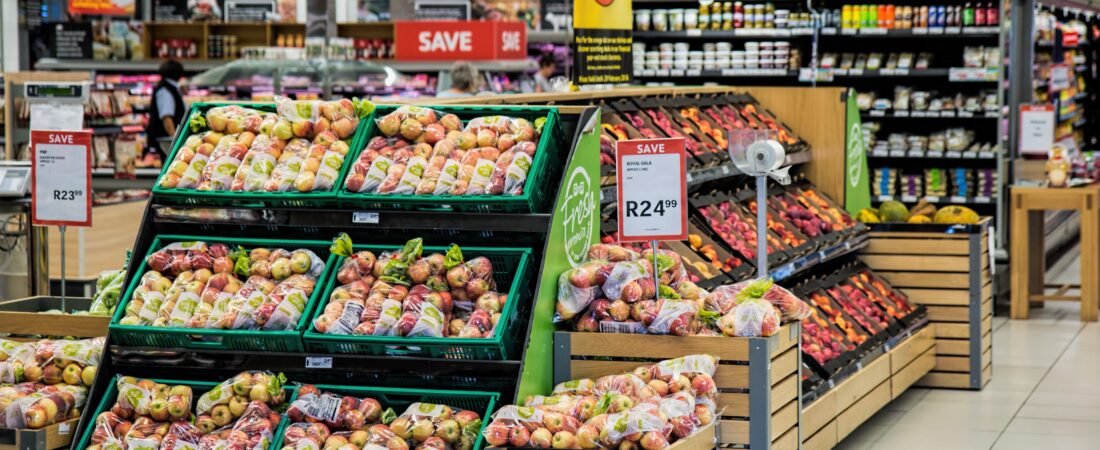
Preparing for emergencies doesn’t require a trip to a specialty survival foods store. In fact, many of the best survival foods are already sitting on the shelves of your local grocery store. Whether you’re preparing for severe weather, extended power outages, job loss, or simply building a more resilient pantry, stocking everyday foods is an affordable and practical way to get started.
The best grocery store survival foods have long shelf lives, provide essential nutrients, and are versatile enough to create a variety of meals. Many of these foods are inexpensive, easy to rotate into your regular diet, and can be purchased a little at a time without straining your budget.
If you’ve been waiting for the perfect time to start an emergency food supply, your next grocery shopping trip is the perfect opportunity.
What Makes a Good Survival Food?
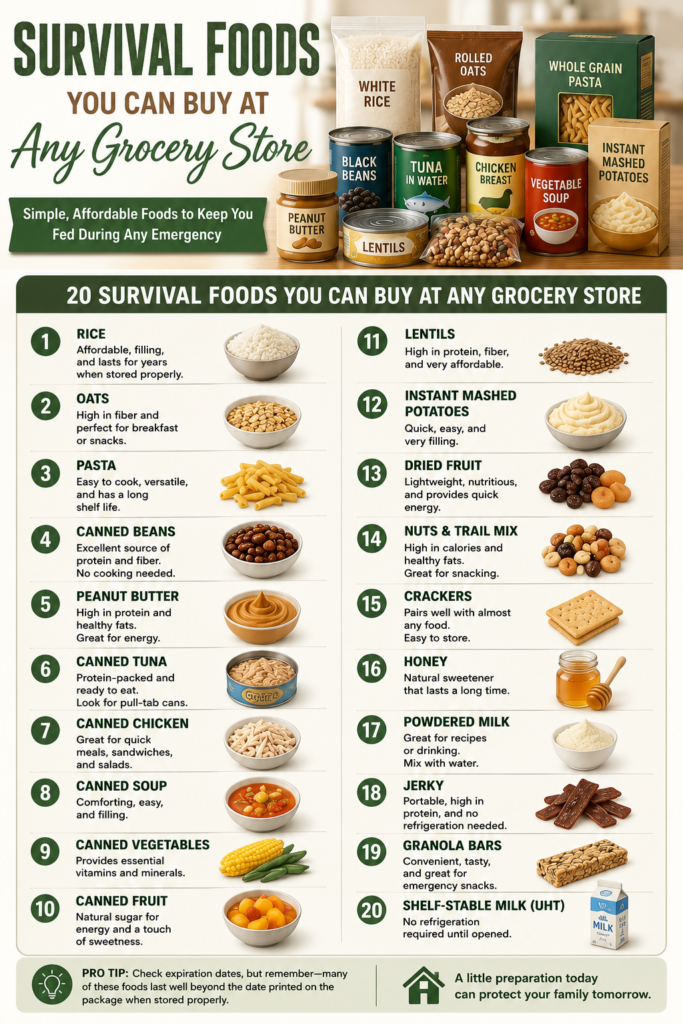
Not every food belongs in an emergency pantry. The best survival foods share several important characteristics.
Look for foods that are:
- Shelf-stable for months or years
- High in calories and nutrients
- Easy to prepare
- Affordable
- Easy to store
- Foods your family already enjoys eating
Choosing familiar foods also makes it easier to rotate your pantry and reduce waste.
1. White Rice
White rice is one of the foundations of long-term food storage. It’s inexpensive, filling, and stores for decades when packaged properly in Mylar bags with oxygen absorbers.
Rice pairs well with canned meats, vegetables, soups, and beans, making it one of the most versatile pantry staples available.
2. Rolled Oats
Oats provide fiber, carbohydrates, and important vitamins and minerals. They’re excellent for breakfast but can also be used in baking, homemade granola, and even soups.
Stored in airtight containers, oats can remain fresh for several years.
3. Pasta
Pasta is another affordable staple that stores well and provides plenty of energy.
Popular choices include:
- Penne
- Spaghetti
- Elbow macaroni
- Rotini
Combine pasta with canned meats and vegetables for simple, satisfying meals.
4. Dried Beans
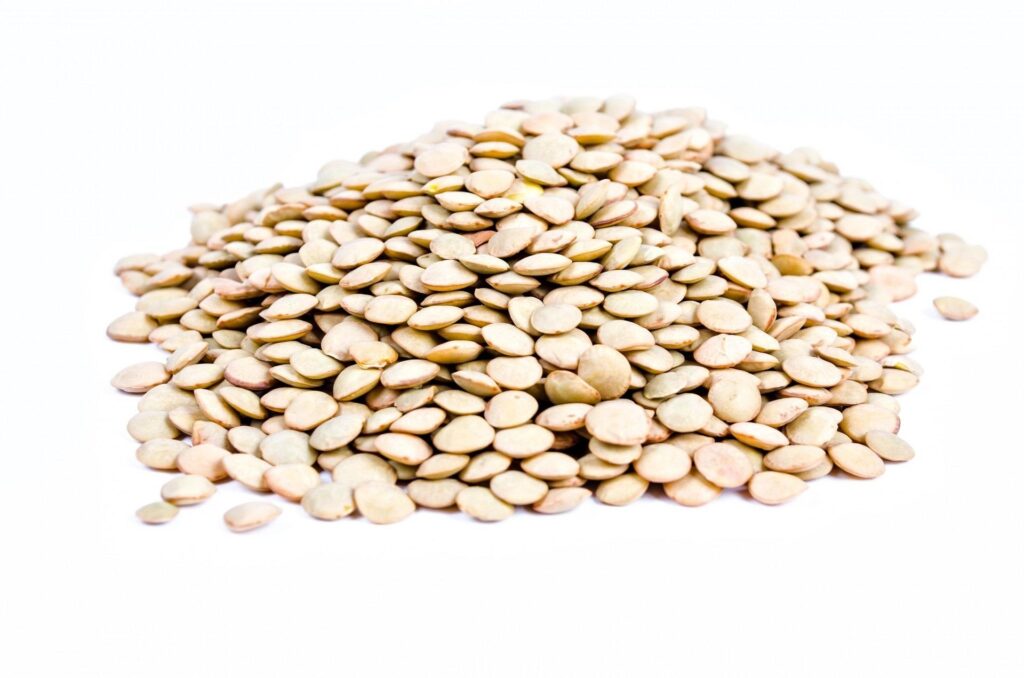
Beans are among the most nutritious foods you can store.
Excellent choices include:
- Pinto beans
- Black beans
- Kidney beans
- Navy beans
- Great Northern beans
They’re rich in protein, fiber, and complex carbohydrates.
Although dried beans require cooking, they remain one of the best values in the grocery store.
5. Canned Beans
When cooking isn’t possible, canned beans become invaluable.
Since they’re already cooked, they can be eaten directly from the can or added to salads, soups, and wraps.
6. Peanut Butter
Peanut butter is loaded with calories, healthy fats, and protein.
It requires no refrigeration until opened and pairs well with crackers, tortillas, and bread.
Natural peanut butter has a shorter shelf life than conventional varieties, so rotate it regularly.
7. Canned Tuna
Tuna is one of the easiest ways to add protein to your emergency pantry.
Choose pull-tab cans whenever possible.
Tuna works well with crackers, pasta, rice, or eaten straight from the can.
8. Canned Chicken
Canned chicken is versatile enough for sandwiches, casseroles, soups, wraps, and salads.
It’s an excellent substitute when fresh meat isn’t available.
9. Canned Soup
Soup provides warmth, comfort, and nutrition during stressful situations.
Keep a variety of:
- Chicken noodle
- Vegetable soup
- Beef stew
- Chili
- Lentil soup
Many canned soups can be eaten without heating if necessary.
Affiliate Disclosure: This article contains affiliate links. If you purchase through these links, I may earn a commission at no additional cost to you. I only recommend products I believe provide value to readers interested in emergency preparedness.
FREE Checklist: 10 Survival Foods That Could Save Your Stockpile
Download Your FREE Checklist Here!
10. Canned Vegetables
Vegetables supply vitamins, minerals, and fiber often missing from emergency diets.
Good options include:
- Corn
- Green beans
- Peas
- Carrots
- Mixed vegetables
Choose low-sodium varieties when available.
11. Canned Fruit
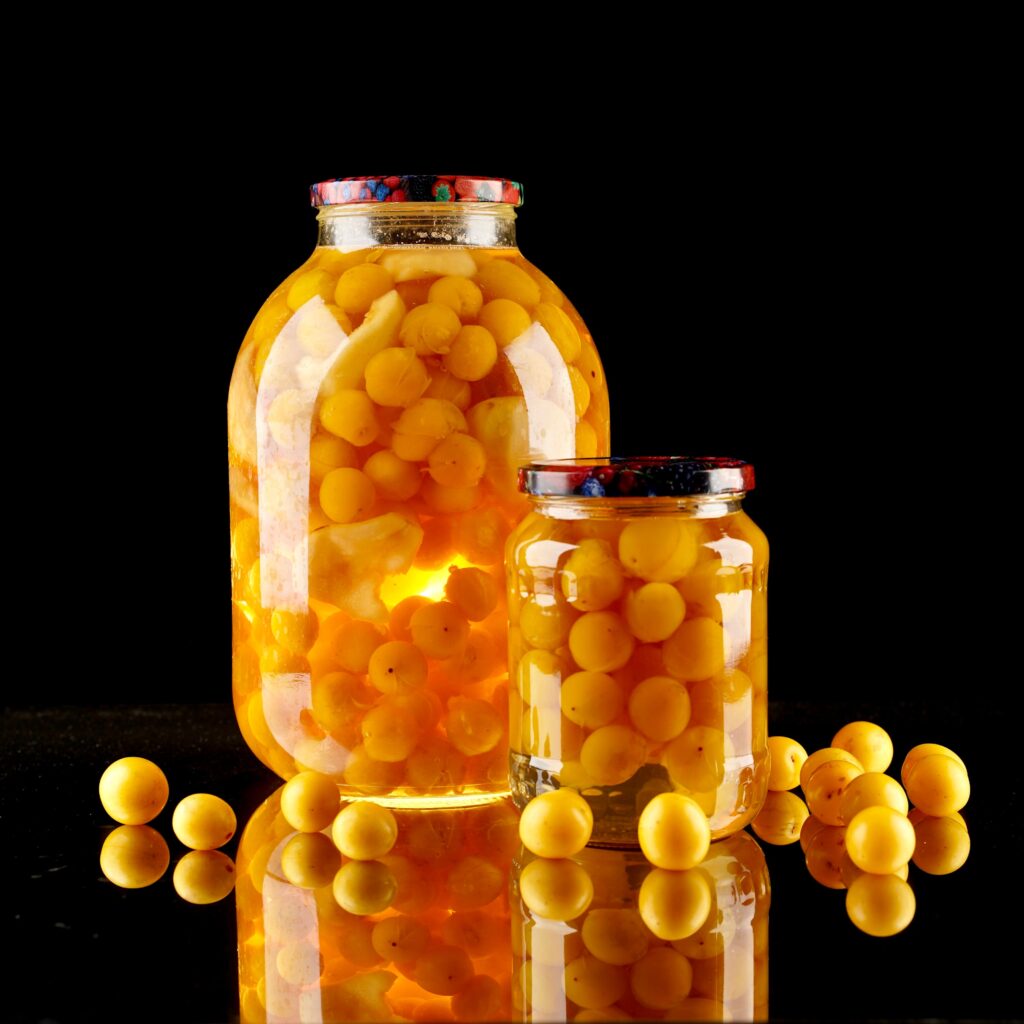
Fruit adds natural sweetness while providing vitamins and hydration.
Excellent choices include:
- Peaches
- Pears
- Pineapple
- Mandarin oranges
- Applesauce
Fruit packed in juice is generally healthier than heavy syrup.
12. Lentils
Lentils cook faster than most dried beans and are packed with protein, iron, and fiber.
They’re perfect for soups, stews, and side dishes.
13. Instant Mashed Potatoes
Instant mashed potatoes require very little cooking time and can even be prepared with warm water in many situations.
They’re lightweight, affordable, and comforting during emergencies.
14. Dried Fruit
Dried fruit stores well and provides quick energy.
Popular varieties include:
- Raisins
- Apricots
- Cranberries
- Dates
- Apples
- Bananas
They also satisfy sweet cravings without taking up much storage space.
15. Nuts and Trail Mix
Mixed nuts provide healthy fats, protein, and calories in a compact package.
Trail mix combines nuts, seeds, and dried fruit into an easy grab-and-go snack that’s ideal for emergency kits.
16. Crackers
Crackers pair well with nearly every survival food.
They can be eaten with:
- Peanut butter
- Tuna
- Cheese spreads
- Soup
- Canned meats
Vacuum-sealed packaging helps extend freshness.
17. Honey
Honey is famous for its incredibly long shelf life.
It never truly spoils when stored properly.
Besides sweetening foods, honey also provides quick energy and contains natural antioxidants.
18. Powdered Milk
Powdered milk is useful for:
- Drinking
- Baking
- Cooking
- Making oatmeal
- Preparing mashed potatoes
Modern powdered milk has improved greatly in taste compared to older versions.
19. Beef Jerky
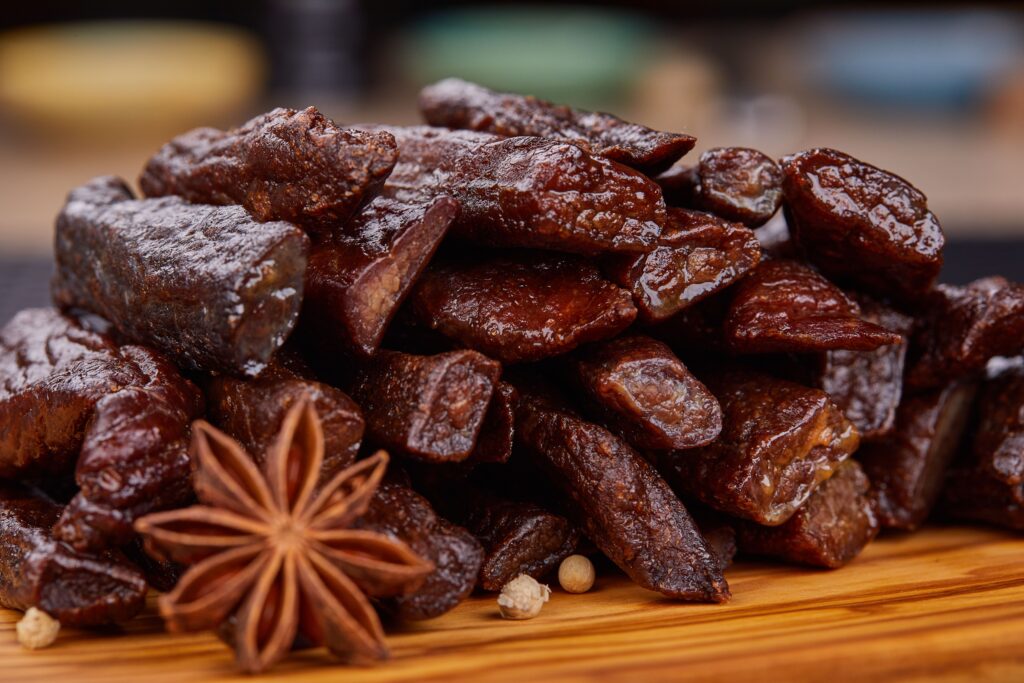
Jerky offers portable protein that requires no refrigeration.
It’s perfect for:
- Bug-out bags
- Vehicle emergency kits
- Hiking
- Short-term emergencies
Choose low-sodium varieties whenever possible.
20. Shelf-Stable Milk
Ultra-high-temperature (UHT) milk remains shelf-stable for months until opened.
It’s an excellent option for children or anyone who prefers fresh-tasting milk over powdered varieties.
Build Your Pantry Gradually
One of the biggest mistakes beginners make is believing they need to purchase everything at once.
Instead, build your emergency pantry over time.
Try adding just a few extra items each grocery trip.
For example:
Week 1:
- Two bags of rice
- Two cans of tuna
Week 2:
- Peanut butter
- Oats
- Canned vegetables
Week 3:
- Pasta
- Soup
- Dried fruit
Within a few months, you’ll have a substantial emergency food supply without significantly increasing your grocery budget.
Store Foods Properly
Proper storage dramatically extends shelf life.
Keep foods in:
- Cool locations
- Dry areas
- Dark spaces
- Airtight containers whenever possible
Avoid garages and attics where extreme temperatures can reduce food quality.
For long-term storage, transfer dry foods like rice, beans, oats, and pasta into Mylar bags with oxygen absorbers before placing them inside food-grade buckets.
Rotate Your Food Supply
Even foods with long shelf lives should be rotated.
Follow the “First In, First Out” (FIFO) method:
- Use older items first.
- Replace what you use.
- Check expiration dates regularly.
- Inspect cans for rust, dents, or swelling.
This keeps your emergency pantry fresh while reducing waste.
Don’t Forget Water
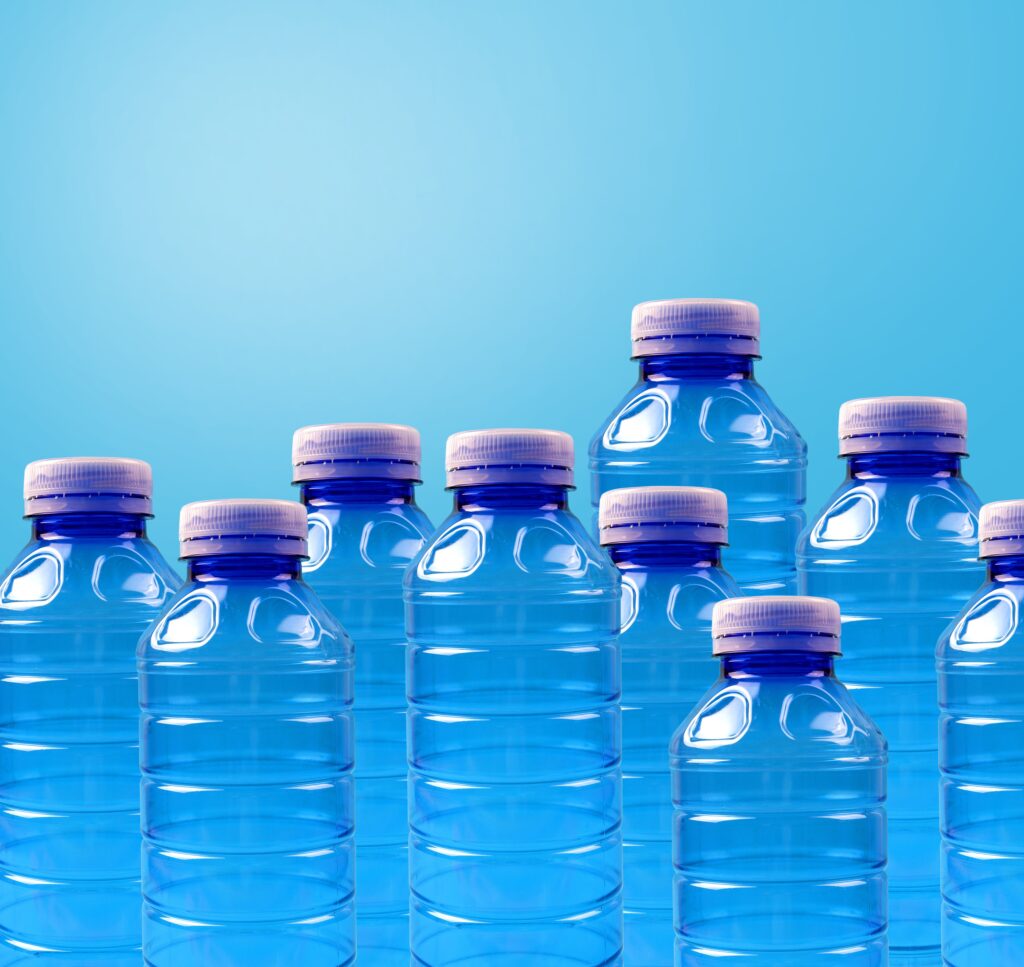
No emergency food supply is complete without water.
Experts generally recommend storing at least one gallon of water per person per day for drinking and basic sanitation.
A two-week supply is an excellent starting goal for most households.
Water filters and purification tablets provide additional backup if your stored water runs low.
Common Grocery Store Foods to Avoid
Some foods don’t perform well in long-term storage.
Avoid relying heavily on:
- Chips
- Fresh bread
- Soft cookies
- Refrigerated dairy products
- Fresh meat
- Foods with very short expiration dates
These foods can certainly be enjoyed now but shouldn’t form the foundation of an emergency pantry.
Frequently Asked Questions
Can grocery store foods really be used for emergency preparedness?
Absolutely. Most preparedness experts recommend starting with ordinary grocery store foods before investing in expensive freeze-dried meals. They’re affordable, familiar, and easy to rotate into your regular diet.
How much food should I store?
A good starting point is a two-week supply for every member of your household. As your budget allows, consider expanding to one month, three months, or even longer.
Are canned foods safe after the “Best By” date?
Many canned foods remain safe well beyond their printed date if the cans are stored properly and show no signs of damage, rust, bulging, or leaks. However, always inspect food carefully before consuming it.
Looking for more long-term food storage ideas? The Lost SuperFoods reveals dozens of traditional foods and preservation methods that helped families survive difficult times before modern refrigeration. Check out The Lost SuperFoods here and see how these forgotten foods can strengthen your emergency preparedness plan.
Whether you’re just starting your preparedness journey or looking to expand your food storage knowledge, this resource may provide valuable insights for creating a more resilient pantry.
👉 Click here to learn more about The Lost Super Foods.
Final Thoughts
Building an emergency food supply doesn’t have to be expensive or complicated. Many of the best survival foods are already available at your neighborhood grocery store. Staples like rice, oats, beans, pasta, canned meats, vegetables, fruits, peanut butter, and honey provide an excellent foundation for a reliable emergency pantry.
Start with the foods your family already eats, add a few extra items each shopping trip, and store them properly in a cool, dry place. Over time, you’ll build a well-stocked pantry that can help you weather power outages, natural disasters, financial hardships, or other unexpected events with greater confidence.
The best time to prepare is before an emergency happens—and your local grocery store has nearly everything you need to get started today.
Related Articles
Cheap Foods To Stockpile On A Budget