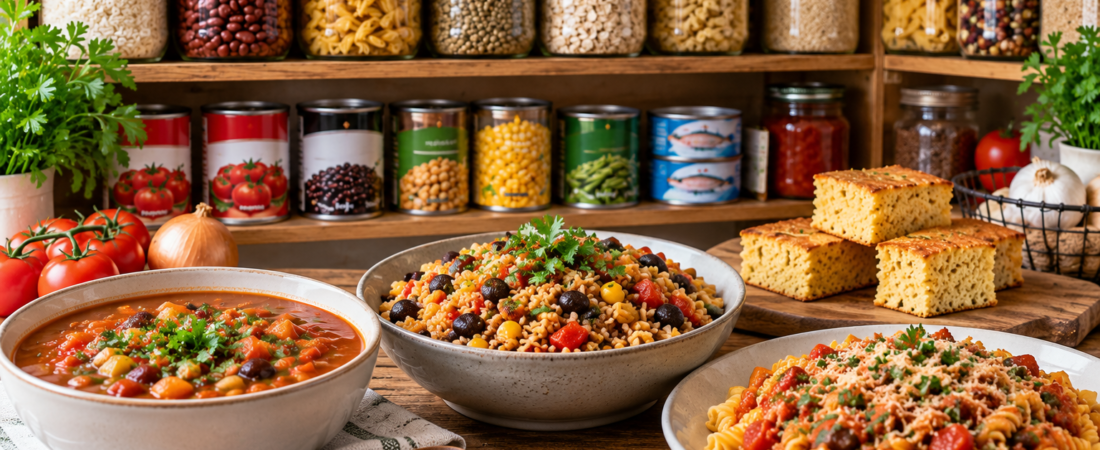
When you are building a well-stocked pantry, it is easy to concentrate on how much food you have and forget about what you will actually make with it. Shelves filled with rice, beans, pasta, canned vegetables, and other staples are useful, but those foods become even more valuable when you know how to turn them into simple meals. Shelf-stable pantry recipes can help you prepare inexpensive meals without depending on fresh ingredients.
They are especially useful during power outages, severe weather, emergencies, unexpected financial difficulties, or simply on evenings when you don’t want to make another trip to the grocery store. The good news is that you do not need expensive specialty survival foods to create satisfying meals.
Affiliate Disclosure: This post may contain affiliate links. I may earn a commission at no extra cost to you.
FREE 25 Foods Emergency Pantry Checklist
Building an emergency pantry is easier with a shopping list.
Download this free printable checklist to take with you while shopping or use it to organize your pantry.
✔ 25 shelf-stable foods
✔ Printable PDF
✔ Free to download
👉 Download your FREE Emergency Pantry Checklist!
What Are Shelf-Stable Pantry Foods?
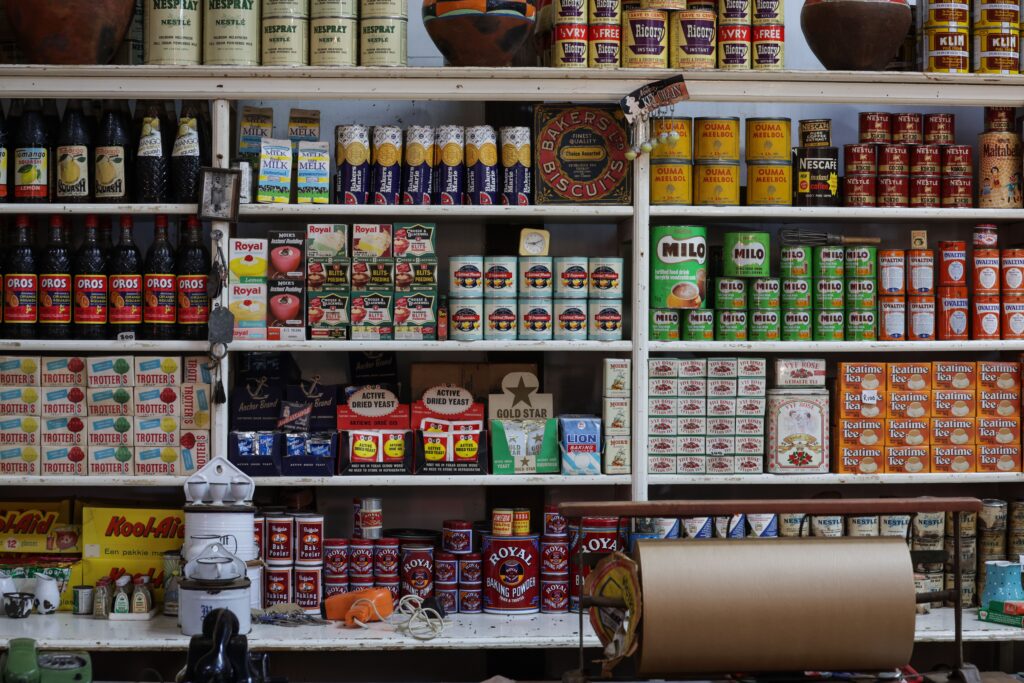
Shelf-stable foods are foods that can safely be stored at room temperature for an extended period when kept under appropriate conditions. Common examples include dry rice, pasta, oats, beans, canned vegetables, canned meats, peanut butter, powdered milk, and many commercially packaged foods. The best shelf-stable pantry is not necessarily the one containing the most food; it is one containing foods your household will actually eat. When selecting ingredients, consider shelf life, nutritional value, storage requirements, and how easily each item can be combined with other foods.
Why Build Meals Around Shelf-Stable Ingredients?
One major advantage of shelf-stable ingredients is flexibility. A bag of rice can become a side dish, casserole base, skillet meal, or filling for another recipe, while canned beans can provide protein and bulk. Keeping versatile ingredients available means you can create many different meals without purchasing dozens of specialized products. This is particularly helpful when you are trying to build an emergency food supply on a budget.
Easy Shelf-Stable Pantry Recipes for Everyday Meals
Simple pantry meals do not have to be bland or complicated. Start with a basic carbohydrate such as rice, pasta, oats, or potatoes, then add a protein source and one or two vegetables. Canned tomatoes, beans, corn, peas, carrots, tuna, chicken, and shelf-stable sauces can turn basic ingredients into complete meals. Seasonings such as garlic powder, onion powder, chili powder, Italian seasoning, salt, pepper, and bouillon can also dramatically improve the flavor of inexpensive pantry ingredients.
Pantry Rice and Bean Bowl
Combine cooked rice with canned or properly prepared dry beans for an inexpensive and filling meal. Add canned corn, diced tomatoes, green chilies, or another shelf-stable vegetable for additional flavor and texture. Season the mixture with chili powder, cumin, garlic powder, and pepper, adjusting the seasoning to your preference. This is one of the easiest shelf-stable meals to prepare because the basic ingredients can be stored for a long time.
Simple Pantry Pasta
Pasta is one of the most useful foods to keep in a long-term pantry because it cooks quickly and works with many ingredients. Combine cooked pasta with canned tomatoes, tomato sauce, canned mushrooms, beans, or canned meat. Add Italian seasoning, garlic powder, and a little grated shelf-stable cheese if available. You can change the ingredients each time, which helps prevent pantry meals from becoming repetitive.
Easy Tuna and Pasta Meal
Cook pasta and combine it with canned tuna, canned peas, and a creamy shelf-stable sauce or a small amount of shelf-stable milk. Season with black pepper, garlic powder, and onion powder. If you have canned mushrooms or corn, either can be added to increase the variety of the meal. This recipe is particularly useful for people looking for inexpensive shelf-stable meals with protein.
Cheap Shelf Stable Pantry Meals for a Tight Budget
You do not have to spend hundreds of dollars creating a useful pantry. Some of the most economical foods are also among the most versatile, including rice, beans, pasta, oats, canned vegetables, and canned tomatoes. Buy foods your household already enjoys rather than purchasing large quantities of unfamiliar emergency foods simply because they have a long expiration date. Building your pantry gradually by purchasing a few extra staples during regular grocery trips can make food storage much easier on the budget.
Budget-Friendly Pantry Soup
Soup is an excellent way to stretch inexpensive pantry ingredients. Start with broth, bouillon, or water seasoned with herbs and spices, then add canned beans, vegetables, pasta, rice, or canned meat. You can make the soup thick and hearty or keep it lighter depending on the ingredients available. A flexible pantry soup recipe is especially valuable because it allows you to use small quantities of several foods instead of opening several new packages for one meal.
High Protein Shelf Stable Meal Ideas
Protein deserves special attention when planning shelf-stable meals because many inexpensive pantry staples are primarily carbohydrates. Canned tuna, canned chicken, canned salmon, beans, lentils, peanut butter, powdered milk, and some commercially packaged meat products can help provide protein. Combining different foods can also make meals more satisfying and nutritionally varied. When storing protein-rich foods, always follow the manufacturer’s storage instructions and inspect cans and packages before use.
Peanut Butter Oatmeal
Oats and peanut butter make a quick breakfast that requires only a few ingredients. Cook the oats according to the package directions and stir in peanut butter for additional protein and calories. Cinnamon, raisins, honey, or shelf-stable fruit can add sweetness and variety. This is a practical shelf-stable breakfast when fresh food is limited.
Bean and Lentil Skillet
Beans and lentils can be combined with canned tomatoes and vegetables to create a hearty skillet meal. Add seasonings such as cumin, paprika, garlic powder, and chili powder for a southwestern flavor. Serve the mixture over rice or alongside crackers. This type of meal is inexpensive, filling, and adaptable to whatever happens to be available in your pantry.
How to Make Shelf-Stable Pantry Meals Taste Better
The secret to better pantry cooking is often seasoning rather than expensive ingredients. Keep a small collection of versatile spices, dried herbs, bouillon, hot sauce, vinegar, soy sauce, or other shelf-stable flavorings that your household enjoys. Acidic ingredients such as vinegar or canned tomatoes can brighten otherwise heavy meals, while herbs and spices can make the same basic ingredients taste completely different. Think of your pantry staples as building blocks rather than finished meals.
Keep a Variety of Flavors Available
Try keeping ingredients for several different flavor profiles. For example, chili powder and cumin can create Mexican-inspired meals, while Italian seasoning and canned tomatoes can form the foundation of pasta dishes. Curry powder can transform rice, beans, and vegetables into something completely different. A little variety can make a long-term food supply much easier to use.
How to Organize Ingredients for Pantry Cooking
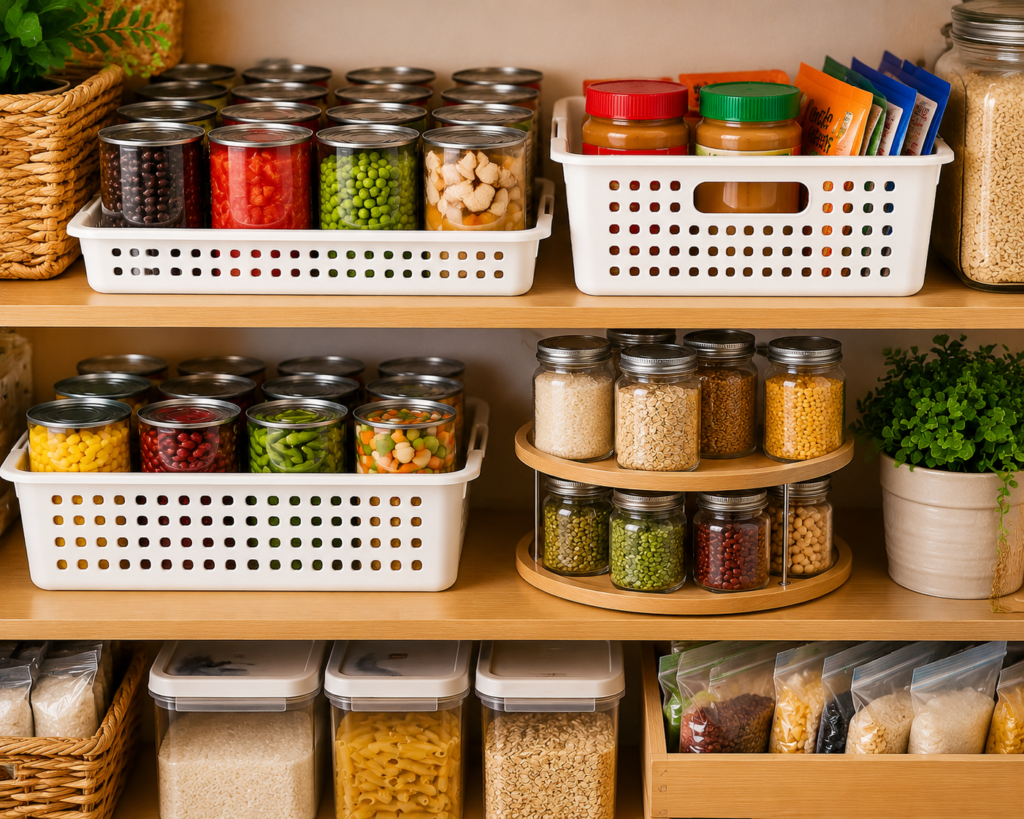
Organizing your pantry around meals instead of individual foods can make cooking much easier. Keep commonly used ingredients together or at least know which foods can be combined to create breakfast, lunch, dinner, and snacks. Label opened packages with dates and use older foods first whenever practical. A simple inventory list can also prevent you from buying more of something you already have while overlooking important ingredients.
Use the First-In, First-Out Method
When adding new pantry food, place newer packages behind older ones. Use the older items first as long as they remain safe and suitable for consumption. This approach helps reduce waste and encourages you to regularly use the foods you have stored. Your emergency pantry should be part of your normal kitchen rather than a collection of food that sits untouched for years.
Recommended Resource: The Lost Super Foods
If you’re building a long-term emergency food supply, it’s worth learning about the foods our grandparents and earlier generations relied on before modern refrigeration and grocery stores became common.
The Lost Super Foods is a guide that explores forgotten preservation methods, shelf-stable foods, and traditional survival recipes that helped families thrive during difficult times. The guide includes practical information on food storage, preservation techniques, and nutrient-dense foods that can complement a well-stocked emergency pantry.
Whether you’re just starting your preparedness journey or looking to expand your food storage knowledge, this resource may provide valuable insights for creating a more resilient pantry.
👉 Click here to learn more about The Lost Super Foods.
Final Thoughts on Shelf Stable Pantry Recipes
A well-planned pantry can provide far more than emergency food sitting on a shelf. With versatile ingredients such as rice, beans, pasta, oats, canned vegetables, canned meats, and seasonings, you can prepare dozens of inexpensive meals. The key is choosing foods your household likes, storing them properly, and learning several ways to combine the same basic ingredients. Start small, practice cooking with your pantry staples, and gradually build a food supply that is both practical and useful.
Related Articles
Want to build a stronger emergency pantry? These guides will help:
How To Build A 30-Day Emergency Food Supply