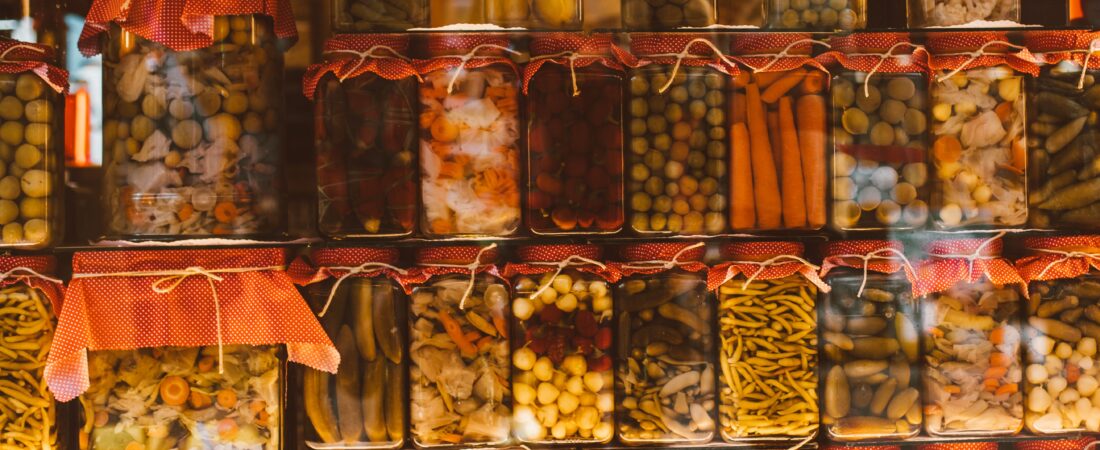
Building a long-term food storage food supply isn’t about filling every shelf with random cans or buying the biggest bags of food you can find. It’s about choosing foods that truly stand the test of time and storing them properly so they’re ready when you need them most. Whether you’re preparing for hurricanes, winter storms, power outages, or simply trying to save money by buying in bulk, knowing what actually lasts can make all the difference.
Many people assume every canned or packaged food will remain safe for decades, but that’s simply not true. Some foods can last 25 years or longer under the right conditions, while others begin losing quality in just a year or two. Understanding the difference helps you build a pantry you can rely on instead of one filled with expensive disappointments.
The good news is that many affordable grocery store staples already have impressive shelf lives. You don’t have to spend thousands of dollars on specialty survival food to prepare your family. A carefully organized pantry filled with everyday foods can provide security, convenience, and peace of mind for years to come.
Affiliate Disclosure: This article contains affiliate links. If you purchase through these links, I may earn a commission at no additional cost to you. I only recommend products I believe provide value to readers interested in emergency preparedness.
FREE Checklist: 10 Survival Foods That Could Save Your Stockpile
Download Your FREE Checklist Here!
The Foundation of Long-Term Food Storage
Successful food storage begins with choosing foods that naturally resist spoilage. Moisture, heat, oxygen, light, and pests are the biggest enemies of stored food. The less exposure your food has to these factors, the longer it will remain fresh.
Some of the longest-lasting pantry staples include:
- White rice
- Dry beans
- Rolled oats
- Pasta
- Hard wheat
- Sugar
- Salt
- Honey
- Dried lentils
- Freeze-dried foods
These foods have one thing in common: they contain very little moisture. Without moisture, bacteria and mold struggle to grow, dramatically increasing shelf life.
Story: Preparing Before Hurricane Season
Every spring, the Anderson family reviews their emergency supplies before hurricane season begins. Years ago they rushed to the grocery store only days before a storm and found nearly empty shelves. Since then, they’ve gradually built a pantry with rice, beans, pasta, canned vegetables, and bottled water. Instead of panic shopping, they simply check expiration dates, replace anything they’ve used, and feel confident knowing they’re prepared long before the first storm warning appears.
Their experience shows that preparedness isn’t about fear. It’s about removing stress before emergencies happen.
Foods That Can Last Decades

Some foods have remarkable longevity when stored correctly.
White Rice: Properly packaged in airtight containers with oxygen absorbers and stored in a cool location, white rice can last 25 to 30 years.
Dry Beans: Beans may become harder to cook over time, but they remain edible for decades when protected from moisture.
Hard Wheat: Wheat berries often outlast flour because their protective outer layer shields the grain from oxygen and moisture.
Honey: Pure honey is famous for its incredible shelf life. Archaeologists have discovered ancient honey that remained edible after thousands of years. It may crystallize, but gentle warming returns it to liquid form.
Salt and Sugar: These pantry essentials never truly spoil if they remain dry. They may harden into lumps, but they can still be used.
Freeze-Dried Foods: Many professionally packaged freeze-dried meals have shelf lives of 25 years or more, making them popular for emergency preparedness.
The key isn’t simply buying these foods. Proper storage is what gives them their impressive lifespan.
Foods That Don’t Last as Long
Not everything belongs in a long-term emergency pantry.
Brown rice, for example, contains natural oils that become rancid after about six to twelve months at room temperature. Whole wheat flour also has a much shorter shelf life than whole wheat berries because grinding exposes the oils to oxygen.
Cooking oils, nuts, granola, crackers, and many snack foods also spoil much faster than people expect. Even unopened packages eventually develop unpleasant flavors.
Canned foods generally remain safe well beyond their printed dates if the cans stay undamaged, but quality slowly declines. Acidic foods such as tomatoes and pineapple usually have shorter shelf lives than canned vegetables or meats.
Knowing which foods rotate quickly helps you avoid expensive waste.
Story: The Surprise Nobody Wants
After a severe power outage left roads covered in ice, Michael finally opened the emergency food bins he’d packed years earlier. He expected everything to be ready. Instead, several bags of brown rice smelled rancid, cooking oil had gone bad, and boxed crackers were stale beyond recognition. He realized he had stored foods based on convenience rather than shelf life.
That experience taught him an important lesson: storing food once isn’t enough. Periodic inspection and rotation keep your emergency pantry dependable.
The Importance of Proper Storage

Even the longest-lasting foods won’t survive poor storage conditions.
Aim to store food in:
- Cool temperatures (ideally below 70°F)
- Dry environments
- Dark locations
- Airtight containers
- Rodent-proof storage
Heat is especially damaging. Food stored in a hot garage may lose years of shelf life compared to identical food stored inside a climate-controlled home.
Many preparedness experts recommend transferring dry foods into food-grade buckets with Mylar bags and oxygen absorbers. This combination protects against oxygen, moisture, insects, and light.
Label every container with both the packing date and the contents. Future you will appreciate the effort.
Build Your Pantry Gradually
One of the biggest mistakes beginners make is trying to build a year’s worth of food in a single shopping trip.
Instead, add a few items each week.
For example:
- Week 1: Two bags of rice
- Week 2: Dry beans
- Week 3: Pasta
- Week 4: Canned vegetables
- Week 5: Canned meats
- Week 6: Oats
This approach spreads out the cost while steadily increasing your food security.
Buying extra during sales also helps stretch your grocery budget without creating financial stress.
Story: Pantry Staples During a Winter Storm
When a powerful winter storm knocked out electricity across the region, the Carter family couldn’t drive anywhere for several days. Fortunately, their pantry contained rice, canned chicken, beans, oatmeal, peanut butter, pasta, and canned vegetables. Using a small camping stove, they prepared simple but filling meals until power returned. While neighbors worried about empty grocery stores, the Carters focused on staying warm and helping elderly neighbors with hot meals.
Preparedness didn’t just benefit one family—it allowed them to help others when the community needed support.
Rotate What You Store
The simplest rule in food storage is:
Store what you eat, and eat what you store.
Use older items first and replace them with new purchases.
Many families organize shelves so newer products go to the back while older products move to the front.
This “first in, first out” system keeps your pantry fresh while reducing waste.
Set reminders every six months to inspect your supplies. Look for damaged packaging, moisture, pests, or items approaching their best-by dates.
Rotation becomes easy once it becomes part of your regular grocery routine.
Don’t Forget Water
Food is only half the preparedness equation.
Store enough drinking water for every member of your household. Emergency guidelines commonly recommend at least one gallon per person per day for drinking and basic sanitation.
Also consider ways to purify additional water if supplies become limited.
A long-term food supply becomes much more useful when paired with a dependable water plan.
Common Mistakes to Avoid
Many food storage failures come from a few preventable mistakes.
Avoid these common errors:
- Buying foods your family doesn’t enjoy.
- Ignoring expiration or best-by dates.
- Storing food in hot garages or sheds.
- Forgetting manual can openers.
- Failing to label storage containers.
- Keeping only foods that require long cooking times.
- Forgetting seasonings and comfort foods.
A balanced pantry should include ingredients that provide nutrition, variety, and familiarity.
How Much Food Should You Store?
There is no perfect number.
Some families begin with a two-week supply. Others work toward one month, three months, or even a full year.
The best goal is one you can realistically achieve.
Start with foods you already use regularly. As your pantry grows, you’ll naturally gain confidence while creating a reserve that fits your family’s needs.
Remember that preparedness is a process rather than a destination. Every bag of rice, every can of vegetables, and every organized shelf adds another layer of security.
Want to build a stronger emergency pantry? These guides will help:
Survival Foods You Can Buy At The Grocery Store
Emergency Food Supplies Families Depend On
Cheap Foods To Stockpile On A Budget
Final Thoughts
Long-term food storage doesn’t require expensive equipment or a warehouse full of supplies. It starts with understanding which foods truly last, storing them properly, and rotating them regularly. A dependable pantry provides more than meals—it offers peace of mind during hurricanes, winter storms, unexpected job interruptions, or everyday emergencies.
The families who weather emergencies most comfortably are often the ones who prepared a little at a time, making steady progress instead of waiting for the perfect moment. Every shelf you organize and every staple you add today is an investment in tomorrow’s security.
Your next step: Choose just three long-lasting pantry staples—such as white rice, dry beans, and rolled oats—and add them to your next grocery trip. It’s a simple action that starts building a pantry you can truly depend on.
Recommended Resource: The Lost Super Foods
If you’re building a long-term emergency food supply, it’s worth learning about the foods our grandparents and earlier generations relied on before modern refrigeration and grocery stores became common.
The Lost Super Foods is a guide that explores forgotten preservation methods, shelf-stable foods, and traditional survival recipes that helped families thrive during difficult times. The guide includes practical information on food storage, preservation techniques, and nutrient-dense foods that can complement a well-stocked emergency pantry.
Whether you’re just starting your preparedness journey or looking to expand your food storage knowledge, this resource may provide valuable insights for creating a more resilient pantry.