Introduction
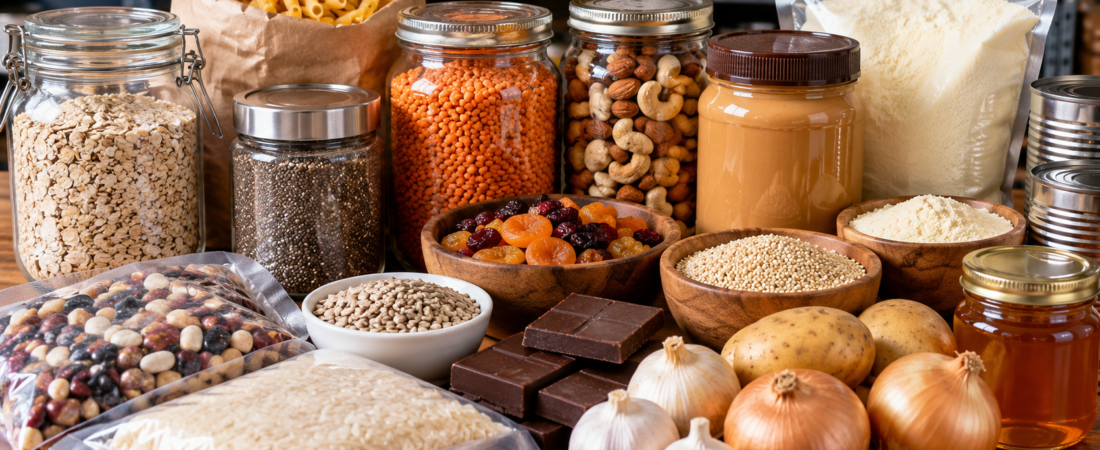
Emergency Storage Foods: People often picture the obvious choices: rice, beans, canned vegetables, pasta, and bottled water. Those foods certainly have a place in an emergency pantry. But they aren’t the only foods worth considering.
Look through an ordinary grocery store, and you’ll find many products that can add useful qualities to an emergency food supply. Some provide concentrated calories. Others offer protein, fats, fiber, or carbohydrates. Some add variety to otherwise basic meals, while others can help turn a few ordinary ingredients into something much more satisfying.
The interesting part is that you may already be buying some of these foods.
You don’t need to completely change how you shop to build a more versatile emergency pantry. Instead, start noticing foods that have characteristics that make them useful beyond their normal purpose.
This is especially helpful if you’re building an emergency supply gradually. Instead of buying a long list of unfamiliar products, look for foods that fit naturally into the meals your household already enjoys.
Affiliate Disclosure: This post may contain affiliate links. I may earn a commission at no extra cost to you.
Building an emergency pantry is easier with a shopping list to follow.
Download this free printable checklist to take with you while shopping or use it to organize your pantry.
✔ 25 shelf-stable foods
✔ Printable PDF
✔ Free to download
👉 Download the FREE Emergency Pantry Checklist (PDF)
Here are some foods you may not think of when planning an emergency food supply.
1. Tortillas
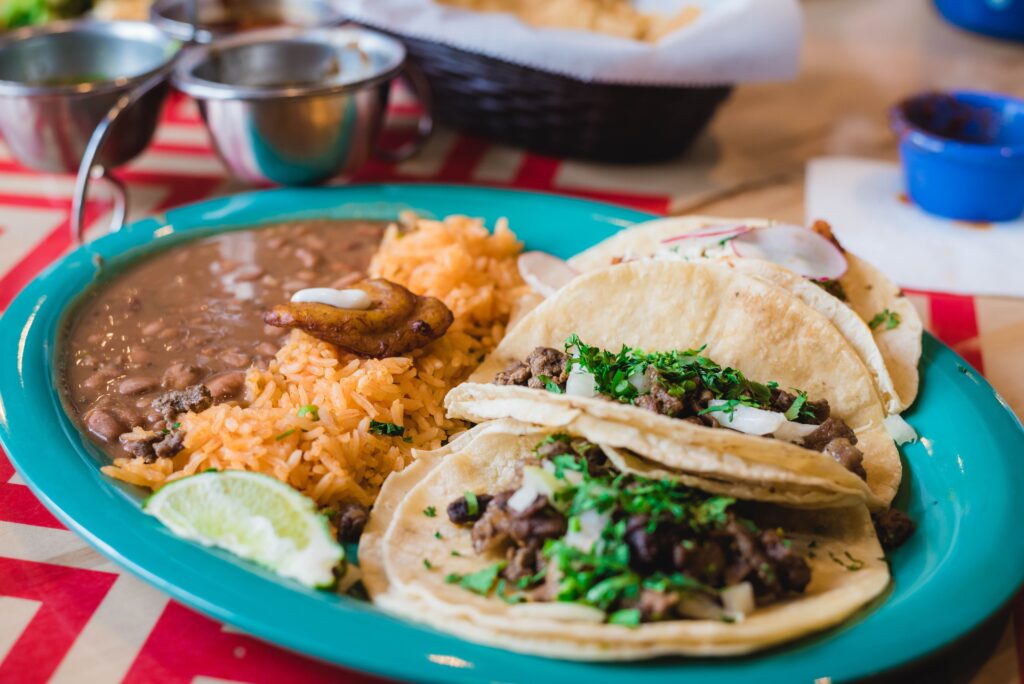
Tortillas can be surprisingly versatile.
Flour tortillas can be used for wraps, quesadillas, simple breakfast meals, or as an alternative to bread.
They’re particularly useful because a single package can provide several different meal possibilities.
Depending on the type and packaging, tortillas have different storage characteristics, so think of them primarily as a shorter-term pantry addition rather than an indefinite storage food.
They can also make other emergency foods more appealing. Beans, canned chicken, peanut butter, or vegetables can all be incorporated into tortilla-based meals.
2. Instant Mashed Potatoes
Instant mashed potatoes may not be the first food that comes to mind when you hear “emergency storage.”
But they’re worth noticing.
They’re lightweight, convenient, and can become a filling side dish or part of a larger meal. They can also be combined with gravy, canned meat, vegetables, or other ingredients.
Unlike whole potatoes, instant mashed potatoes don’t require you to store a perishable fresh food.
If you already keep a box in your pantry, you may have an easy meal component without realizing it.
3. Applesauce
Applesauce is another everyday food with emergency-pantry potential.
Shelf-stable cups and jars can provide a convenient fruit option without requiring preparation.
They’re also useful for households with children because they provide something familiar when meals are otherwise based around shelf-stable staples.
Applesauce can be eaten by itself or served alongside oatmeal, pancakes, or other foods.
It’s a good example of why an emergency pantry doesn’t have to consist entirely of traditional “survival foods.”
4. Dry Soup Mixes
Packages of dry soup mix can provide more variety than individual ingredients alone.
A soup mix can serve as a starting point for a meal and can often be supplemented with vegetables, beans, noodles, or other foods already in your pantry.
There are many varieties, from split-pea and lentil mixes to other dried soup combinations.
Instead of thinking about soup mix as a complete emergency meal, consider it a meal starter that can work with other foods.
5. Shelf-Stable Milk
Milk is usually associated with refrigeration, but shelf-stable varieties can provide another option for an emergency pantry.
Unopened shelf-stable milk can be stored at room temperature according to the manufacturer’s instructions.
It can be used with cereal, oatmeal, baking mixes, sauces, and other recipes.
Powdered milk can serve a similar purpose in some households.
The benefit isn’t simply having another beverage. Milk can also provide an ingredient that makes several other pantry foods more useful.
6. Tomato Paste
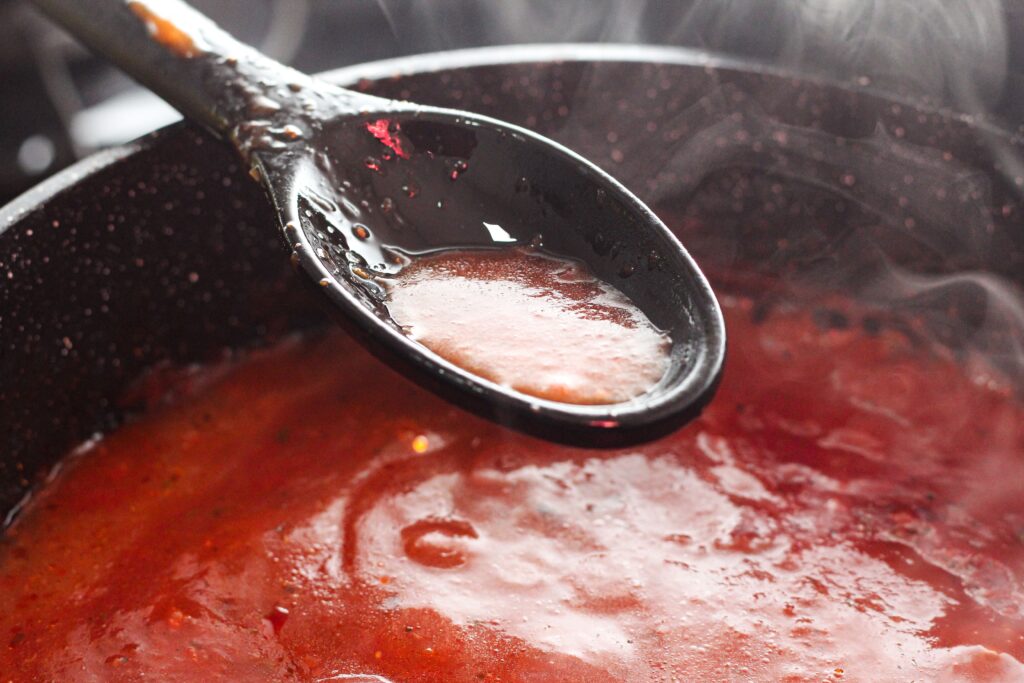
Tomato paste takes up relatively little space but can add considerable flavor to meals.
A small amount can be incorporated into soups, stews, sauces, rice dishes, and other recipes.
It can also help turn basic pantry ingredients into something that tastes substantially different.
If you’re trying to create variety without buying dozens of different meals, ingredients such as tomato paste can be surprisingly useful.
7. Salsa
Salsa might seem more like a condiment than an emergency food.
But that doesn’t mean it has no place in a pantry.
Shelf-stable jars or cans can add flavor to beans, rice, tortillas, canned meat, eggs, and other foods.
A few spoonfuls can change the character of an otherwise repetitive meal.
Salsa is therefore an example of a food that earns its place not necessarily because it provides a large number of calories, but because flavor and variety matter too.
8. Instant Noodles
Instant noodles are often dismissed as junk food, but they can have a practical role in an emergency pantry.
They’re inexpensive, compact, and familiar to many households.
They can also be combined with other ingredients to make a more substantial meal.
Add canned vegetables, cooked meat, beans, or other available ingredients and you have considerably more flexibility than the basic package suggests.
They shouldn’t become the foundation of your entire food supply, but they can provide an inexpensive source of variety.
9. Dry Gravy Mix
Gravy mix is another small item that can have a surprisingly large effect on pantry meals.
It can be used with potatoes, rice, meat, vegetables, and other foods.
When an emergency pantry contains many basic ingredients, small additions that change the flavor of those ingredients can prevent meals from becoming monotonous.
A few packets may therefore be more useful than their size suggests.
10. Stuffing Mix
Stuffing isn’t only for Thanksgiving.
A box of dry stuffing mix can become a side dish or be combined with other ingredients to create a more substantial meal.
It can also provide another way to use canned chicken, turkey, vegetables, or other pantry foods.
Because it is familiar to many households, stuffing can add variety without requiring you to introduce a completely unfamiliar food.
11. Dry Macaroni and Cheese
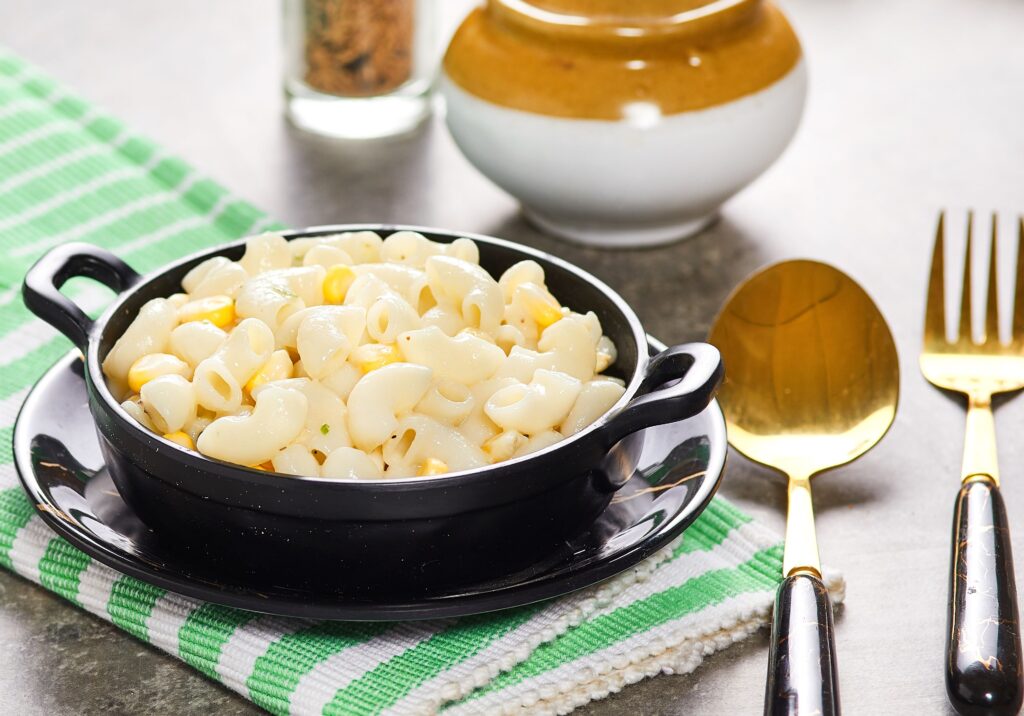
Macaroni and cheese is often considered a convenience food, but it can also be useful as part of a broader emergency pantry.
The dry pasta provides carbohydrates, while the cheese component adds flavor.
You can also turn a basic box into something more substantial by adding vegetables, canned meat, or other ingredients.
If your household already eats macaroni and cheese, storing some extra boxes can provide familiar meal options during a disruption.
12. Pretzels
Pretzels can be overlooked because they’re usually considered snack food.
But snacks have an important place in an emergency pantry.
Pretzels require no cooking and can be eaten by themselves or paired with foods such as peanut butter.
They can also provide variety when you’re relying heavily on meals made from basic pantry staples.
As with other packaged snacks, consider the product’s date and packaging rather than assuming that every variety is suitable for extended storage.
13. Pudding Mix
Pudding mix may seem like an unusual choice, but that’s exactly why it’s worth considering.
Emergency food supplies can become heavily focused on main meals, while desserts and small treats are forgotten.
A familiar dessert can provide some variety and give your household something different to look forward to.
Pudding mix can also be useful as a baking ingredient or combined with other pantry foods.
It isn’t an essential emergency staple, but it illustrates an important principle: a practical food supply should include some variety, not just basic calories.
14. Instant Breakfast Drink Mixes
Powdered breakfast and drink mixes can provide another way to add variety to an emergency pantry.
Depending on the product, they may provide carbohydrates, protein, vitamins, minerals, or calories.
They can also be useful when you’re looking for something quick and convenient.
Read the package carefully, however, because some products require milk or other ingredients.
Choose products that fit the rest of your pantry rather than buying something simply because it is marketed as an emergency food.
15. Dry Pancake or Waffle Topping
Syrup and other pancake toppings are easy to overlook when creating an emergency pantry.
But if you already store pancake mix or other breakfast foods, a topping can make those foods much more useful and enjoyable.
Maple-flavored syrup, fruit spreads, honey, and similar products can also be used with oatmeal, toast, biscuits, or other foods.
One small ingredient can therefore support several different meals.
16. Honey
Honey is more than a sweetener for tea.
It can be used with oatmeal, toast, pancakes, baking, sauces, and other foods.
Its versatility makes it useful as both an ingredient and a way to add flavor.
If honey is already part of your regular grocery list, keeping an additional container as part of your pantry supply can be worth considering.
17. Apple Cider Vinegar
Vinegar doesn’t provide a significant amount of food energy, but emergency storage isn’t only about calories.
Apple cider vinegar can be used in dressings, sauces, marinades, and recipes.
It can also add acidity to foods that might otherwise taste flat.
Small ingredients like vinegar, mustard, hot sauce, and similar condiments can make a collection of basic foods much easier to turn into meals your household actually wants to eat.
18. Instant Oatmeal Packets
Regular oats are an obvious pantry staple, but flavored instant oatmeal packets are easy to overlook.
They require very little preparation and come in a variety of flavors.
They’re particularly useful for creating breakfast variety without requiring several different ingredients.
If your household already eats oatmeal, a combination of regular oats and instant varieties can give you both versatility and convenience.
19. Shelf-Stable Cheese Products
Some cheese products are designed to remain shelf-stable until opened.
Depending on the specific product, they can provide another way to add flavor and richness to crackers, pasta, vegetables, tortillas, and other pantry foods.
Because shelf stability varies considerably among cheese products, always follow the manufacturer’s storage instructions.
The larger point is that foods traditionally associated with refrigeration may have shelf-stable alternatives worth knowing about.
20. Fruit Spreads
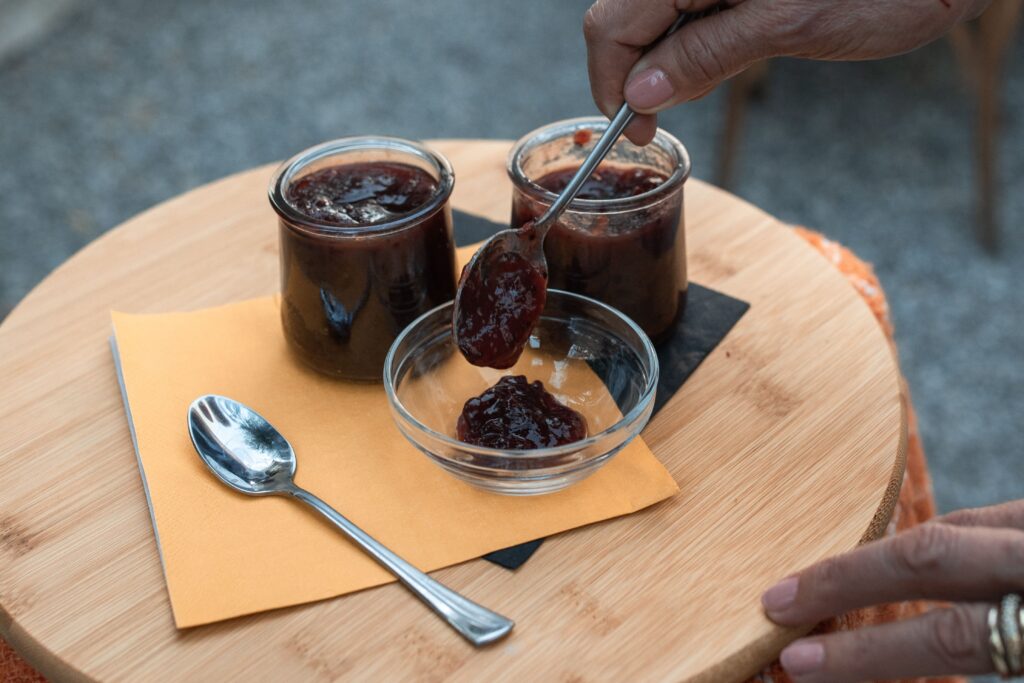
Jams, jellies, preserves, and other fruit spreads can serve several purposes in an emergency pantry.
They can be used with bread, crackers, pancakes, oatmeal, or peanut butter.
They can also provide sweetness and fruit flavor when fresh produce isn’t readily available.
If your family already uses these products, they can be an easy way to add variety without significantly changing your normal shopping habits.
21. Cornbread Mix
Cornbread mix can become another useful meal component.
It can accompany beans, chili, soup, or canned meat and can make a basic pantry meal feel more complete.
Like pancake mix, however, check the ingredients required by the particular product.
If it requires eggs, milk, oil, or other ingredients, make sure those requirements fit into your overall pantry plan.
22. Instant Rice
Instant rice deserves separate consideration from regular dry rice because convenience can matter during an emergency.
It generally requires less preparation than traditional rice, depending on the product.
That can make it useful when time, fuel, or cooking resources are limited.
You don’t have to choose between regular and instant rice. Having different preparation options can give your pantry more flexibility.
23. Coconut Milk
Canned coconut milk is another product that can add variety to basic pantry ingredients.
It can be used in curries, soups, sauces, rice dishes, and other recipes.
Its creamy texture and distinctive flavor can transform ingredients that might otherwise feel repetitive.
It’s a good example of a food that may not be considered a traditional emergency staple but can greatly expand the number of meals you can create.
24. Shelf-Stable Tortilla Chips
Tortilla chips can provide more than a snack.
They can be paired with canned beans, salsa, cheese products, or other ingredients to create simple meals or snacks.
They also provide a familiar comfort food that can break up a series of basic pantry meals.
The key is moderation. Snack foods can complement an emergency supply, but they shouldn’t replace the foundational foods that provide the bulk of your meals.
25. Baking Chocolate and Cocoa
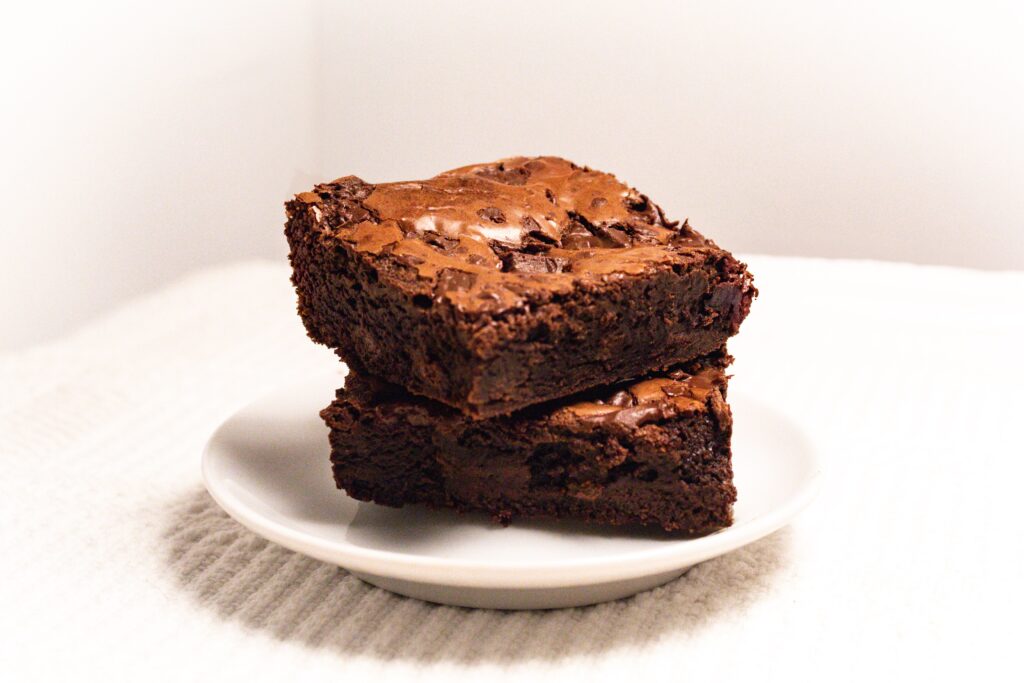
Cocoa powder and baking chocolate aren’t emergency staples in the traditional sense.
But they can be useful for baking and for adding variety to breakfast foods, desserts, and other recipes.
During a prolonged disruption, small familiar treats can make a pantry-based diet feel less repetitive.
You don’t need a large quantity. A small amount can go a long way.
Recommended Resource: The Lost Super Foods
If you’re building a long-term emergency food supply, it’s worth learning about the foods our grandparents and earlier generations relied on before modern refrigeration and grocery stores became common.
The Lost Super Foods guide explores forgotten preservation methods, shelf-stable foods, and traditional survival recipes that helped families thrive during difficult times. The guide includes practical information on food storage, preservation techniques, and nutrient-dense foods that can complement a well-stocked emergency pantry.
Whether you’re just starting your preparedness journey or looking to expand your food storage knowledge, this resource may provide valuable insights for creating a more resilient pantry.
👉 Click here to learn more about The Lost Super Foods.
Think Beyond the Basic Staples
The foods above demonstrate an important point about emergency food planning.
You don’t have to divide everything into two categories—”survival food” and “normal food.”
Many ordinary grocery-store products can serve both purposes.
A tortilla can become a wrap.
Salsa can transform beans and rice.
Tomato paste can become part of a sauce.
Instant potatoes can provide a quick side dish.
Honey can sweeten oatmeal.
Coconut milk can turn basic ingredients into a completely different meal.
These foods become valuable because they expand your options.
If you’re still working on your basic supply, start with the foundational foods discussed in 25 Emergency Foods You May Already Have in Your Kitchen. Then look for foods like these that can add convenience, flavor, and variety.
You can also use 50 Pantry Foods That Last the Longest as a starting point when deciding which everyday foods deserve more space in your pantry.
And if you’re building a larger supply, think about how these foods fit into a 30-day emergency food supply rather than treating each item as a standalone purchase.
Build Your Emergency Pantry Around Options
The most useful emergency food supply isn’t necessarily made up of the foods with the longest names or the most impressive packaging.
It’s a collection of foods that gives you options.
Start with the basics you already eat.
Then add foods that complement them.
A jar of salsa can make beans and rice more interesting.
Coconut milk can change the flavor of rice and vegetables.
Tortillas can turn several ingredients into wraps.
Honey can improve oatmeal or pancakes.
Soup mixes can provide a starting point for a meal.
Small additions can have a bigger impact than you might expect.
The next time you’re walking through the grocery store, look beyond the traditional emergency-food aisle.
Some of the most useful additions to your pantry may already be sitting on the regular shelves.
Emergency food doesn’t always look like emergency food. Sometimes it’s simply an everyday food with more uses than you realized.
Related Articles
Foods You Should Never Store Together