So, building an emergency food storage supply is one of the smartest steps to prepare for emergencies. Whether you’re planning for severe weather, power outages, job loss, or other emergencies, having a well-stocked pantry provides peace of mind and greater self-reliance.
Unfortunately, many beginners make simple food storage mistakes that can shorten shelf life, waste money, or leave them unprepared when they need their supplies most. Fortunately, these mistakes are easy to avoid once you know what to look for.
In this guide, we’ll cover the 10 biggest food storage mistakes beginners make—and show you how to build a food supply that stays fresh, organized, and ready when you need it.
FREE Emergency Pantry Checklist
Building an emergency pantry is easier when you have a shopping list to follow.
Download this free printable checklist to take with you while shopping or use it to organize your pantry.
✔ 25 shelf-stable foods
✔ Printable PDF
✔ Free to download
👉 Download the FREE Emergency Pantry Checklist
1. However, Buying Foods Your Family Doesn’t Eat
One of the most common mistakes is purchasing foods simply because someone else recommends them.
It’s tempting to buy large quantities of items you’ve never tried, but if your family doesn’t enjoy eating them, those foods may sit untouched for years—or be wasted altogether.
How to Avoid It
For example, start with foods your household already eats on a regular basis.
Examples include:
- Rice
- Pasta
- Oats
- Peanut butter
- Canned vegetables
- Canned fruit
- Beans
- Soups
A practical emergency pantry should support your everyday meals, not introduce unfamiliar foods.
FREE Checklist: 10 Survival Foods That Could Save Your Stockpile
Download your FREE Checklist here!
2. Ignoring Expiration Dates
Many beginners assume they’ll remember when food was purchased.
Additionally, months—or even years—later, they discover forgotten cans hiding in the back of a shelf.
While many shelf-stable foods remain safe beyond their “Best By” dates, quality gradually declines over time.
How to Avoid It
Label foods with the purchase date if they aren’t already marked clearly.
Every few months:
- Check expiration dates.
- Rotate older foods forward.
- Replace anything approaching the end of its useful life.
Regular inspections prevent waste.
3. Storing Food in Hot Locations
Heat is one of the biggest enemies of long-term food storage.
Many people store food in:
- Garages
- Attics
- Outdoor sheds
Unfortunately, summer temperatures in these areas can dramatically shorten shelf life.
How to Avoid It
Choose cool, dry, climate-controlled locations such as:
- Interior closets
- Basements
- Pantries
- Spare bedrooms
- Under-bed storage
Whenever possible, keep storage temperatures below 70°F (21°C).
4. Leaving Dry Foods in Original Packaging
Paper bags and thin plastic packaging provide very little protection against moisture, insects, and rodents.
Foods like rice, flour, oats, pasta, and beans can become contaminated over time if left in their original packaging.
How to Avoid It
Transfer dry foods into airtight containers.
For long-term storage, consider using:
- Mylar bags
- Oxygen absorbers
- Food-grade buckets
This combination provides excellent protection against moisture, oxygen, and pests.
5. Buying Too Much Brown Rice
Brown rice is nutritious because it retains its bran layer, but those natural oils significantly shorten its shelf life.
Many beginners purchase large quantities expecting it to last as long as white rice.
Unfortunately, brown rice usually lasts only a few months in the pantry before the oils begin to turn rancid.
How to Avoid It
Store white rice for long-term emergencies.
Purchase smaller quantities of brown rice and rotate it regularly if it’s part of your everyday diet.
6. Forgetting About Water
A pantry full of food won’t help much if you don’t have enough water.
Many stored foods require water for:
- Cooking
- Rehydration
- Drinking
- Cleaning
Water is just as important as food.
How to Avoid It
Store at least one gallon of water per person per day for drinking and basic sanitation.
Many preparedness experts recommend keeping at least a two-week supply on hand.
Also consider adding:
- Water purification tablets
- Portable water filters
- Food-grade water storage containers
7. Not Rotating Your Food Supply
Some people treat emergency food storage as a “buy it and forget it” project.
Years later, they discover expired foods or damaged containers.
How to Avoid It
Use the “First In, First Out” (FIFO) method.
Here’s how it works:
- Place newly purchased foods behind older ones.
- Use the oldest items first.
- Replace what you use during your regular grocery shopping.
This simple system keeps your pantry fresh year-round.
8. Failing to Include Ready-to-Eat Foods
Many beginners store only foods that require cooking.
While staples like rice, dried beans, and pasta are excellent choices, they all require fuel, cookware, and water.
During power outages, that may not always be possible.
How to Avoid It
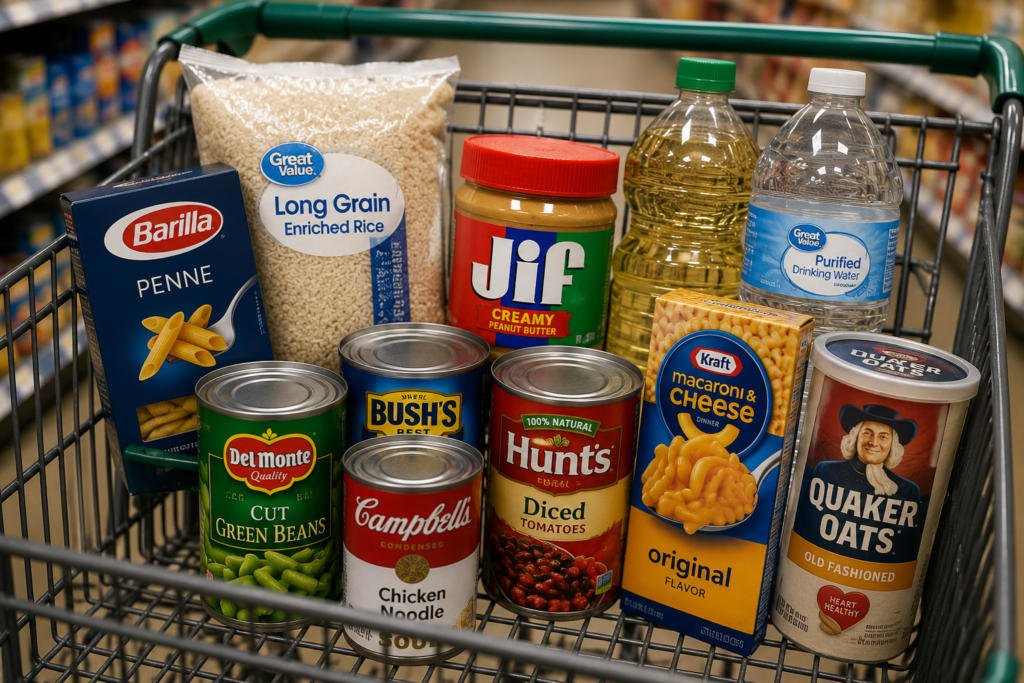
Balance your pantry with foods that require little or no preparation.
Examples include:
- Canned chicken
- Tuna
- Peanut butter
- Crackers
- Canned fruit
- Canned vegetables
- Jerky
- Trail mix
- Granola bars
These foods can provide complete meals without turning on a stove.
9. Buying Everything at Once
Building an emergency pantry can seem overwhelming.
Some beginners spend hundreds—or even thousands—of dollars trying to create a year’s supply immediately.
Large purchases often strain the budget and may lead to buying foods without careful planning.
How to Avoid It
Build your pantry gradually.
Each grocery trip, add:
- One extra bag of rice
- A few cans of vegetables
- Peanut butter
- Pasta
- Oats
- Beans
Over time, your pantry will grow naturally without placing unnecessary pressure on your finances.
10. Poor Pantry Organization
An unorganized pantry quickly becomes frustrating.
Without a system, it’s easy to:
- Lose track of supplies
- Buy duplicates
- Miss expired foods
- Waste valuable storage space
How to Avoid It
Organize foods by category.
For example:
Grains
- Rice
- Pasta
- Oats
Proteins
- Tuna
- Chicken
- Beans
- Peanut butter
Fruits and Vegetables
- Canned fruit
- Canned vegetables
- Dried fruit
Cooking Essentials
- Salt
- Sugar
- Cooking oil
- Honey
- Spices
Label shelves or containers if needed.
An organized pantry makes inventory much easier.
Bonus Tips for Successful Food Storage
Once you’ve avoided the biggest beginner mistakes, these additional habits can improve your emergency pantry even further.
Store What You Eat
Your emergency pantry should be an extension of your everyday kitchen.
If your family regularly eats chili, soup, oatmeal, pasta, and canned vegetables, keep extra quantities of those foods.
Rotation becomes much easier when you’re constantly using and replacing your supplies.
Protect Food From Pests
Inspect your pantry periodically for signs of:
- Pantry moths
- Weevils
- Rodents
Keep food sealed in airtight containers and clean up spills promptly.
Keep an Inventory
A simple inventory list helps you know exactly what you have.
Include:
- Food item
- Quantity
- Purchase date
- Expiration date
Updating your inventory every few months makes grocery shopping more efficient.
Include Comfort Foods
Emergencies are stressful.
Adding a few comfort foods can boost morale.
Examples include:
- Chocolate
- Coffee
- Tea
- Hard candy
- Hot cocoa
- Cookies
These small treats can provide a welcome sense of normalcy during difficult times.
Recommended Resource: The Lost Super Foods
If you’re building a long-term emergency food supply, it’s worth learning about the foods our grandparents and earlier generations relied on before modern refrigeration and grocery stores became common.
The Lost Super Foods is a guide that explores forgotten preservation methods, shelf-stable foods, and traditional survival recipes that helped families thrive during difficult times. The guide includes practical information on food storage, preservation techniques, and nutrient-dense foods that can complement a well-stocked emergency pantry.
Whether you’re just starting your preparedness journey or looking to expand your food storage knowledge, this resource may provide valuable insights for creating a more resilient pantry.
👉 Click here to learn more about The Lost Super Foods.
Frequently Asked Questions
What foods should beginners store first?
Many preparedness experts recommend starting with affordable staples like white rice, pasta, oats, canned vegetables, canned fruit, canned meats, peanut butter, beans, and soup. These foods are inexpensive, versatile, and easy to find at any grocery store.
How much emergency food should I keep?
A good goal is at least a two-week supply for every member of your household. Once you’ve reached that milestone, you can gradually expand to one month, three months, or even a year’s supply if your budget and storage space allow.
Is expensive survival food necessary?
Not necessarily. Freeze-dried meals are convenient and have exceptionally long shelf lives, but most people can build an excellent emergency pantry using ordinary grocery store foods at a fraction of the cost.
Should I store food in the garage?
Only if the garage stays cool year-round. Extreme heat and freezing temperatures can shorten the shelf life of many foods, so climate-controlled indoor storage is generally a better choice.
Final Thoughts
Building an emergency food supply doesn’t have to be complicated. Most beginner mistakes stem from a lack of planning rather than a lack of effort. By storing foods your family already enjoys, rotating your pantry regularly, protecting food from heat and moisture, and organizing your supplies, you’ll create a food storage system that is both practical and reliable.
Remember, preparedness isn’t about buying everything overnight—it’s about making steady progress over time. Add a few extra shelf-stable foods to your cart during each grocery trip, store them properly, and use what you store. Before long, you’ll have a well-stocked pantry that provides security, reduces waste, and gives you confidence that you’re ready for whatever comes your way.
Related Articles
Food Storage Errors That Shorten Shelf Life