The best types of meals for freezing and reheating later depend on two types of groups.
There are two kinds of people when it comes to dinner.
There are those who look at the clock at 5:30 p.m. and calmly begin preparing a meal.
Then some open the refrigerator, stare inside for approximately twelve seconds, close the door, and hope dinner will somehow take care of itself.
If you belong to the second group, freezer meals can feel like a small miracle.
Affiliate Disclosure: This post may contain affiliate links. I may earn a commission at no extra cost to you.
FREE Printable 25 Foods Emergency Pantry Checklist
25 Self-Stable foods every home should have
Download Your FREE Checklist Here!
Preparing meals ahead of time means you can do the work when you actually have the time and enjoy the payoff later. Instead of chopping vegetables while wondering what happened to your evening, you can reach into the freezer and pull out something that is already waiting.
Of course, not every meal deserves freezer status.
Some foods freeze beautifully. Others come out looking like they have experienced a difficult personal journey.
The trick is knowing which types of meals are naturally suited to freezing and reheating.
What Makes a Meal Good for Freezing?
The best freezer meals have a few things in common.
They are usually moist enough to reheat without becoming dry, hearty enough to maintain their character, and simple enough to package in practical portions.
Meals with sauces, broths, gravies, or cooked ingredients often work particularly well. Soups, stews, casseroles, chili, cooked meats, and baked pasta are popular freezer choices for a reason.
Convenience matters, too.
A meal that takes almost as much work to reheat as it did to prepare isn’t doing you many favors.
Before filling your freezer, ask yourself three questions:
- Will this meal reheat easily?
- Will my household actually want to eat it later?
- Can I divide it into portions that make sense?
If the answer is yes to all three, you may have found a freezer-meal winner.
1. Soups and Stews
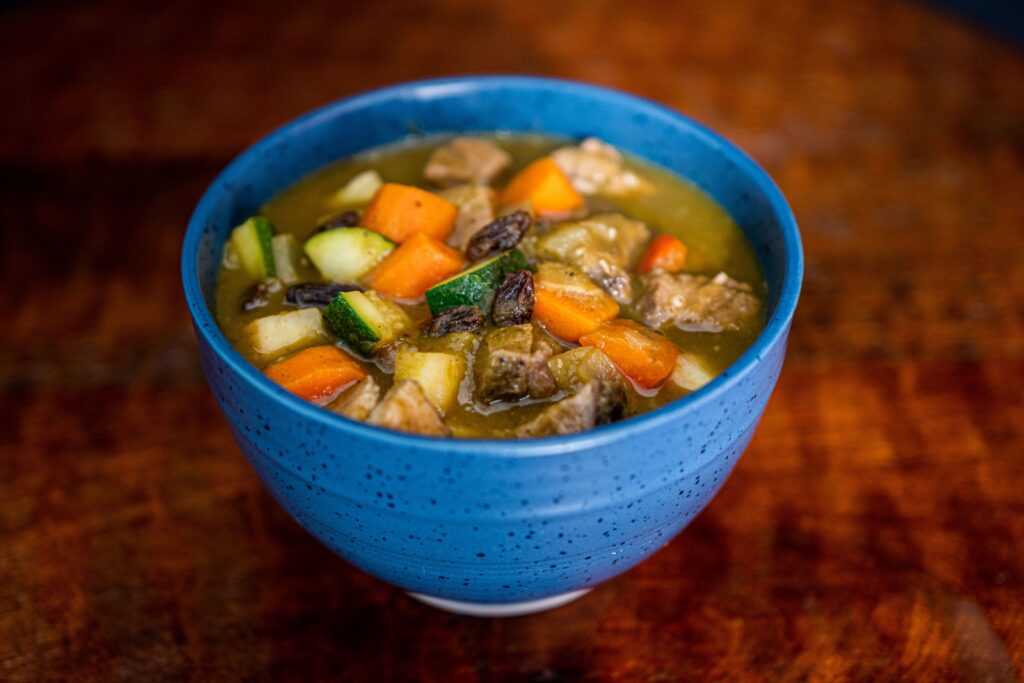
Soups and stews are among the easiest meals to freeze and reheat.
Chicken soup, vegetable soup, beef stew, lentil soup, and bean soups can all make excellent make-ahead meals.
Their biggest advantage is built right into the recipe: moisture.
A bowl of soup can go from freezer to future dinner with relatively little effort. You can also freeze individual portions, which is especially useful when everyone in the household eats at different times.
Stews are equally practical. Beef stew, chicken stew, and vegetable-based versions can provide a substantial meal without requiring you to start cooking from scratch.
If you make a large batch, you can portion it into several containers and create a small supply of ready-to-go meals.
That’s considerably more satisfying than discovering six mystery containers in the refrigerator and trying to remember which one contains Tuesday’s leftovers.
2. Chili
Chili deserves its own category because it seems almost suspiciously well suited to freezer life.
A large pot can produce several meals, and the recipe is flexible enough to serve different purposes.
You can make beef chili, turkey chili, chicken chili, or a meatless version using beans and vegetables.
Freeze it in family-sized containers or individual servings. Later, serve it with rice, bread, tortillas, baked potatoes, or whatever toppings you enjoy.
Chili can also become a second meal. Leftover chili can be spooned over baked potatoes, used in burritos, or served with other ingredients.
That’s a lot of mileage from one pot.
3. Casseroles
Casseroles may be the classic freezer meal.
Lasagna, baked ziti, stuffed shells, enchiladas, chicken casseroles, and similar dishes are natural candidates for preparing ahead.
They are especially convenient because you can prepare several portions at once.
A casserole can also be divided into smaller containers if your household doesn’t need an entire dish at one time.
When preparing casseroles for the freezer, decide whether the recipe is best frozen before or after cooking. Follow the recipe’s recommended method and include reheating instructions on the label.
Future-you will appreciate the reminder.
Future-you may also wonder why past-you didn’t write the instructions down.
A Short Freezer Story
One Saturday, a homeowner spends part of the afternoon making two casseroles for the freezer.
At the time, it seems like a lot of effort. There are dishes everywhere, the kitchen is warm, and the freezer containers are taking over the counter.
Three weeks later, Wednesday arrives with no time for cooking.
That casserole suddenly looks less like a weekend chore and more like a brilliant life decision.
4. Baked Pasta Dishes
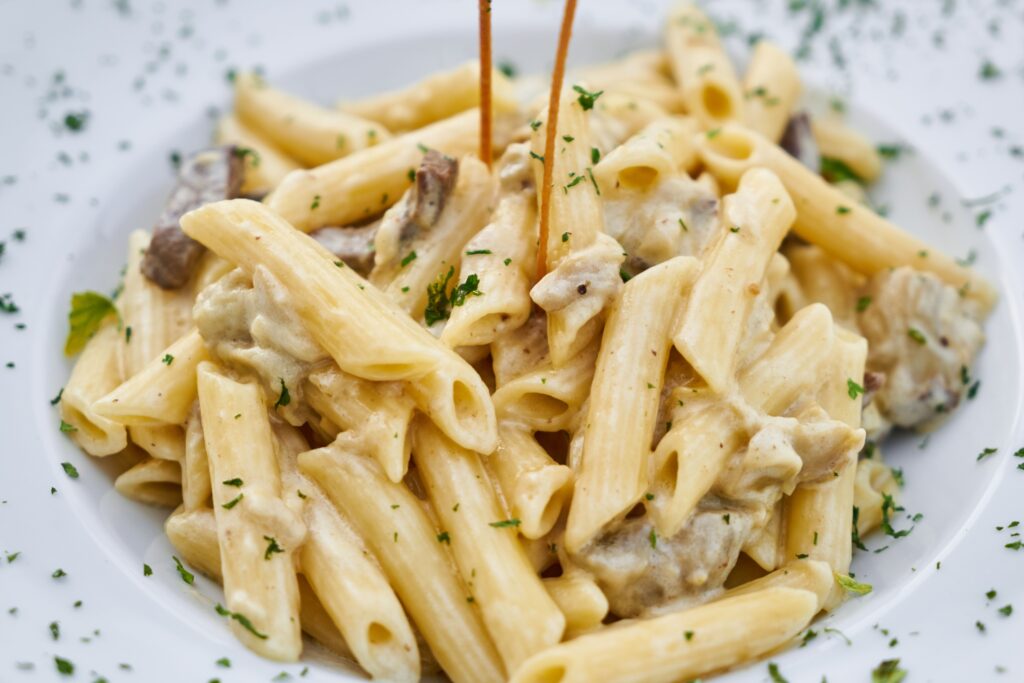
Pasta dishes with sauce are another dependable freezer option.
Lasagna, baked ziti, stuffed shells, and other baked pasta dishes can often be prepared in larger batches and divided into useful portions.
The combination of pasta, sauce, cheese, meat, or vegetables creates a hearty meal that can be reheated later.
Baked pasta is also useful because it can serve different occasions. A large dish can work for a family dinner, while smaller portions can become convenient lunches.
If you’re unsure how a favorite pasta recipe will perform after freezing, try freezing one serving first.
It is much better to conduct a small experiment than to discover later that you have accidentally created twelve servings of something nobody wants to eat.
5. Cooked Chicken and Other Meats
You don’t always need to freeze a complete meal.
Sometimes the smartest freezer preparation is simply preparing the main ingredient.
Cooked shredded chicken, ground beef, turkey, pulled pork, and meatballs can be frozen in portions and used later in different meals.
This gives you flexibility.
Shredded chicken might become tacos one night, soup another night, and a rice bowl later in the week.
Cooked ground beef could become part of chili, pasta sauce, burritos, or another dinner.
Instead of preparing ten complete meals, you can create a collection of useful building blocks.
Your freezer becomes less like a restaurant freezer and more like a very organized ingredient assistant.
6. Meatballs
Meatballs are especially useful because they can play several roles.
Serve them with pasta and sauce. Put them in a sandwich. Add them to soup. Pair them with vegetables and another side.
Prepare a large batch, divide it into portions, and freeze what you won’t use immediately.
Sauced meatballs can be particularly convenient because the sauce is already part of the meal.
They are also easy to portion. If you only need enough for one or two people, there is no reason to defrost an entire family-sized dinner.
7. Burritos and Wraps
Burritos can make excellent individual freezer meals.
You can fill them with cooked meat, beans, rice, and other suitable ingredients and wrap them individually.
The biggest advantage is convenience. You can take out exactly what you need instead of thawing an entire casserole.
Burritos also lend themselves to customization.
One person might prefer chicken and beans. Someone else might want beef and rice.
Fresh ingredients such as lettuce, salsa, avocado, or sour cream can be added after reheating.
That gives you the convenience of a freezer meal without requiring every ingredient to spend time in the freezer.
8. Breakfast Meals
Who says the freezer has to wait until dinner?
Breakfast burritos, pancakes, waffles, muffins, baked egg dishes, and some breakfast sandwiches can be prepared ahead.
Individual portions are particularly useful here.
Imagine having breakfast ready on a morning when everyone is rushing around trying to find shoes, backpacks, keys, and the one missing sock that apparently has become a family emergency.
A prepared breakfast can eliminate one more decision.
That’s a legitimate freezer superpower.
9. Rice Bowls and Complete Meal Portions

Rice bowls can work well as freezer meals when the components are selected carefully.
You might combine rice with seasoned chicken, ground meat, beans, or vegetables.
Preparing complete portions means the entire meal is waiting in one container.
You can also create different combinations instead of making every container identical.
For example, prepare several portions using chicken, several using beans, and several using seasoned ground meat.
This gives you variety without requiring a completely different cooking session for every meal.
How to Reheat Frozen Meals Properly
Freezing the meal is only half the job. Reheating it properly can make the difference between a convenient dinner and a plate of food that makes you question your life choices.
The best reheating method depends on the meal, its portion size, and whether it was frozen cooked or uncooked.
Thawing in the Refrigerator
For many prepared meals, refrigerator thawing is a practical option.
Move the frozen meal from the freezer to the refrigerator ahead of time and allow it to thaw gradually. Larger casseroles may require more planning than individual portions.
Once thawed, follow the recipe’s reheating instructions.
This method requires planning, but it is useful when you already know what you want for dinner the next day.
Reheating From Frozen
Some meals can be reheated directly from frozen.
Individual soups, chili, burritos, and certain casseroles may be suitable for this approach, depending on how they were prepared and packaged.
Use a container appropriate for the heating method and follow the recipe’s instructions. If using a microwave, loosen or vent the covering as appropriate and pause to stir or rotate food when needed for more even heating.
Larger frozen dishes generally require more time and may benefit from thawing first.
Using the Microwave
The microwave is usually the fastest option for individual portions.
For best results, place the food in a microwave-safe container and cover it appropriately to help retain moisture. Heat in stages rather than assuming one long cycle will work perfectly.
Stir soups, sauces, and other foods when practical. If the center is still cold while the edges are hot, continue heating in shorter intervals.
Allow the food to stand briefly after heating so the temperature can even out.
Using the Oven
The oven is particularly useful for casseroles, baked pasta, enchiladas, and other dishes where you want more even heating.
Use an oven-safe container and follow the recipe’s temperature and timing recommendations.
If a dish is prone to drying out, covering it during part of the reheating process can help retain moisture. If you want a browned or crisp top, uncover it toward the end when appropriate.
Reheating Soups and Stews
For soups and stews, the stovetop can be an excellent option.
Transfer the food to a suitable saucepan and heat gradually, stirring occasionally.
If the soup or stew has thickened during storage, you may be able to adjust the consistency with a little appropriate liquid while reheating.
Always heat prepared food thoroughly and follow current food-safety guidance for safe temperatures and handling.
Meals That May Not Be Ideal for Freezing
While many hearty meals freeze well, some foods are better prepared fresh.
Fresh salads, very crispy foods, and dishes that depend heavily on delicate textures can be disappointing after freezing and reheating.
Some cream-based sauces may also require special attention because they can separate during the process.
That doesn’t mean you can never freeze them. It simply means you may need to modify the recipe or add certain ingredients after reheating.
A useful rule is this:
If the appeal of the meal depends heavily on freshness or crispness, think twice before freezing it.
If the meal is hearty, saucy, baked, or slow-cooked, it is often a more promising candidate.
How to Package Freezer Meals
Good packaging can make your freezer meals much easier to use.
Choose containers or bags designed for freezer storage. Portion meals according to how you actually eat them.
If you’re usually cooking for one, individual servings make sense.
If you’re feeding a family, larger containers may be more practical.
Label each container with:
- The name of the meal
- The date it was prepared
- Cooking or reheating instructions
- Any ingredients that should be added later
This simple habit prevents the dreaded freezer mystery.
You know the one.
A container sits in the back of the freezer for months, completely unlabeled. You stare at it. You shake it gently. You try to remember what you made.
Eventually, it becomes someone else’s problem.
Don’t let that happen.
Build Your Freezer Around Meals You Actually Eat
One of the easiest mistakes with freezer meal preparation is making food simply because it seems like something you should have.
If your family loves chili but ignores frozen casseroles, make more chili.
If breakfast burritos disappear immediately, prepare another batch.
If you keep finding the same container months later, it may not belong in your freezer rotation.
The goal isn’t to create the most impressive freezer.
The goal is to create a useful freezer.
A Simple Freezer Meal Rotation
You could start with something as simple as:
- 2 soups or stews
- 2 chili or bean-based meals
- 2 casseroles
- 2 portions of cooked meat
- 1 breakfast option
- 1 flexible meal component such as meatballs or shredded chicken
As you use something, replace it.
Over time, you’ll discover which meals are worth repeating and which ones can quietly retire from the freezer.
If you’re building a long-term emergency food supply, it’s worth learning about the foods our grandparents and earlier generations relied on before modern refrigeration and grocery stores became common.
Recommended Resource: The Lost Super Foods
The Lost Super Foods is a guide that explores forgotten preservation methods, shelf-stable foods, and traditional survival recipes that helped families thrive during difficult times. The guide includes practical information on food storage, preservation techniques, and nutrient-dense foods that can complement a well-stocked emergency pantry.
Whether you’re just starting your preparedness journey or looking to expand your food storage knowledge, this resource may provide valuable insights for creating a more resilient pantry.
👉 Click here to learn more about The Lost Super Foods.
Final Thoughts
The best types of meals for freezing and reheating later are usually the meals that are hearty, moist, easy to portion, and genuinely useful to your household.
Soups, stews, chili, casseroles, baked pasta, cooked meats, meatballs, burritos, breakfast foods, and bean-based dishes are all practical places to start.
You don’t need to prepare twenty meals in one afternoon.
Start with a few favorites. Freeze them in useful portions. Label them clearly. Then pay attention to what gets eaten first.
The goal isn’t to turn your freezer into a food-storage museum.
It’s to have something good waiting for you when cooking dinner from scratch is the last thing you want to do.
Food safety note: Follow current food-safety guidance for cooling, freezing, thawing, and reheating prepared foods. Freezing preserves food but does not make unsafe food safe, so proper food handling remains important.
Related Articles
Emergency Food Freezer Tips For Power Outages