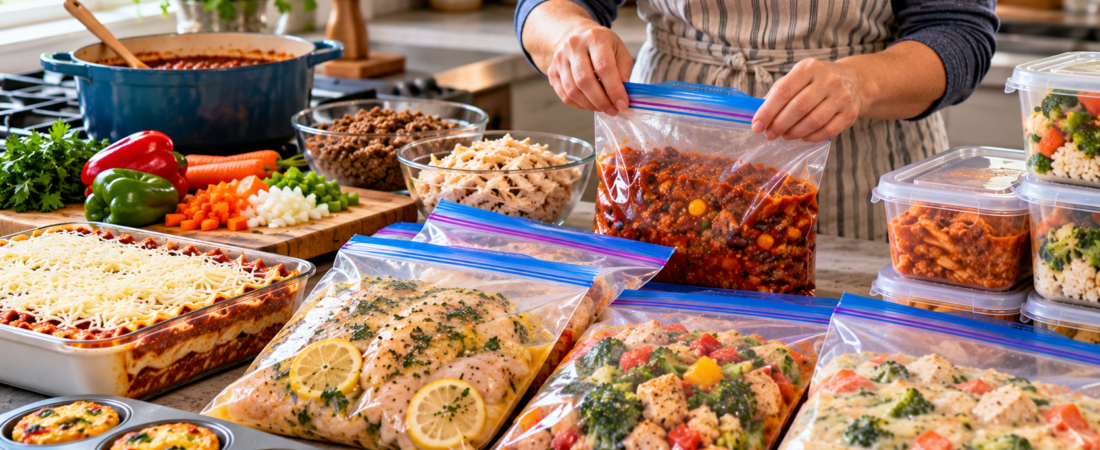
There is something satisfying about opening the freezer and realizing dinner is already taken care of, because of freezer meal preparations.
Instead of wondering what to cook after a long day, you can pull out a prepared meal, thaw or reheat it, and get food on the table with much less effort. That is the real appeal of freezer meal preparation. It is not necessarily about filling an entire freezer with dozens of identical containers. It is about making the right meals ahead of time—meals that are convenient, practical, and worth having available when you need them.
But not every meal belongs in the freezer.
Affiliate Disclosure: This article contains affiliate links. If you purchase through these links, I may earn a commission at no additional cost to you.
Some foods simply don’t hold up as well as others. Foods that depend on crispness, freshness, or delicate textures can change after freezing and reheating. Saucy, moist, and hearty dishes generally have an easier time making the transition.
So before you start filling containers, it helps to know which meals are particularly well suited to freezer preparation.
What Makes a Good Freezer Meal?
A good freezer meal should do more than simply survive freezing.
Ideally, it should maintain its flavor and overall quality after thawing and reheating. It should also be reasonably easy to portion, package, label, and use later.
Meals with sauces, broths, or other moisture tend to work particularly well. Casseroles, soups, stews, cooked meats, pasta dishes, and many bean-based meals are popular choices.
Another consideration is how you plan to use the meal.
A family-sized casserole might make sense if everyone will eat together. Individual portions may be more practical for lunches or nights when everyone is eating at different times.
The best freezer meals are therefore not necessarily the fanciest ones.
They are the meals that solve a future problem.
1. Soups and Stews
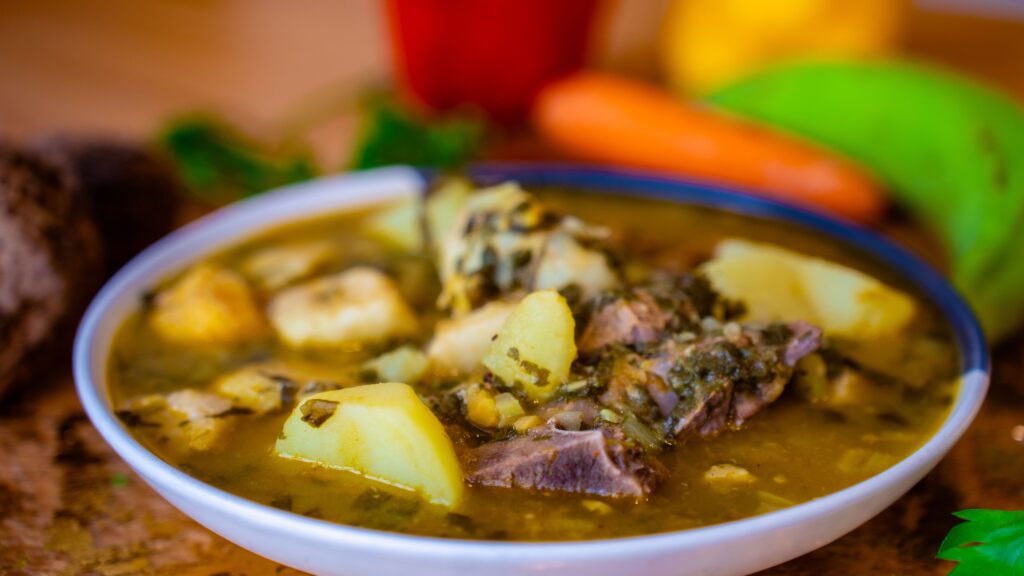
Soups and stews are some of the easiest meals to prepare ahead.
Think chicken soup, vegetable soup, chili, beef stew, lentil soup, or bean-based soups. Once prepared, many can be divided into meal-sized portions and frozen for later.
The liquid also makes these meals convenient to reheat without requiring much additional preparation.
When preparing soup for the freezer, think about how you want to portion it. Individual containers work well for quick lunches, while larger containers can serve a family.
Allow the food to cool appropriately before packaging and freezing. Use freezer-safe containers or bags and leave suitable space for expansion.
2. Chili and Bean-Based Meals
Chili is practically designed for make-ahead cooking.
A large pot can produce several meals at once, making it useful when you want to prepare food in batches. Beef chili, turkey chili, chicken chili, and vegetarian versions can all work well as freezer meals.
Beans also provide a hearty base that can make a relatively simple meal more filling.
One advantage of chili is its flexibility. You can freeze it in family-sized containers or individual portions. Later, it can be reheated and served with rice, bread, tortillas, or toppings added fresh.
That means the same basic freezer meal can become several different dinners simply by changing what you serve alongside it.
3. Casseroles
Casseroles are another natural choice for freezer meal preparation.
Lasagna, baked pasta, enchiladas, chicken casseroles, and similar dishes can often be assembled ahead of time and frozen for later cooking or reheating.
For best results, consider whether you want to freeze the casserole before or after cooking. The answer can depend on the recipe, ingredients, and intended reheating method.
If you are making a casserole specifically for the freezer, write the cooking or reheating instructions directly on the container or label.
A few weeks later, you may not remember exactly what you intended to do with it.
A Quick Freezer-Moment Story
Imagine coming home on a Wednesday evening with no real plan for dinner. You open the refrigerator and see a few vegetables, some leftovers, and not much else.
Then you remember the casserole you prepared two weeks earlier.
Instead of starting from scratch, you move it from the freezer according to your planned thawing and reheating method. What seemed like extra work on preparation day has just saved you an entire evening.
That is where freezer meal preparation really pays off.
4. Cooked Chicken and Other Meats
Cooked chicken can become the foundation for several future meals.
Shredded chicken, cooked ground beef, turkey, pulled pork, and other cooked meats can be portioned and frozen for later use.
Rather than preparing a complete meal every time, you can sometimes freeze the main protein separately. Later, it can become tacos, sandwiches, soup, pasta, rice bowls, or another meal.
This approach gives you more flexibility than freezing one finished dish.
For example, a container of cooked shredded chicken can become several different dinners depending on what else you have available.
When freezing cooked meat, package it in portions appropriate for your household. Removing as much excess air as practical from freezer bags can also help protect quality.
5. Pasta and Baked Pasta Dishes
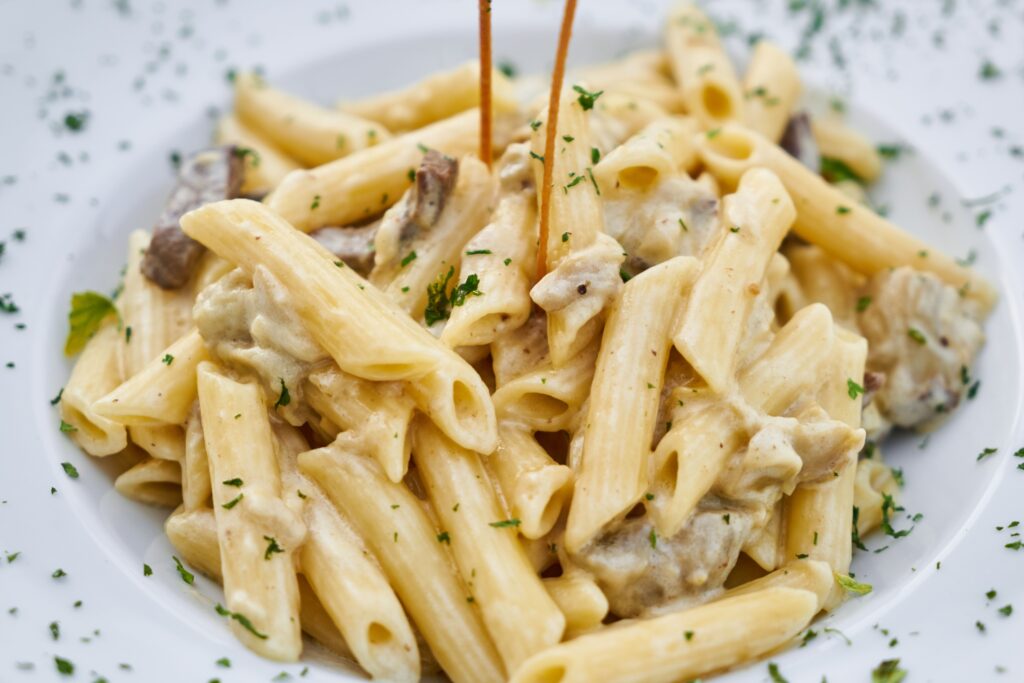
Pasta can be a useful freezer meal ingredient, particularly when it is combined with sauce.
Baked pasta dishes such as lasagna, baked ziti, stuffed shells, and similar meals are convenient to prepare in larger quantities.
The sauce also makes these dishes easy to portion and reheat.
If you are preparing an entire pasta dish for the freezer, follow the recipe’s recommended freezing and reheating method. For a new recipe, making one smaller batch first can help you determine whether it belongs in your regular freezer rotation.
That small test can save you from filling the freezer with a meal your household doesn’t enjoy later.
6. Burritos and Wraps
Burritos can be particularly convenient for individual freezer meals.
You can fill them with combinations such as cooked meat, beans, rice, and vegetables, then package them individually.
They are useful for quick lunches or dinners because you do not have to thaw an entire casserole when only one person needs a meal.
Think about which ingredients you want to add before freezing and which ones are better added afterward.
Fresh toppings such as lettuce, salsa, avocado, or sour cream can often be added after reheating rather than frozen inside the burrito.
That gives you the convenience of a prepared meal while keeping some of the fresh ingredients fresh.
7. Meatballs and Sauced Dishes
Meatballs are another versatile freezer option.
You can prepare a large batch and freeze them in portions. They can later be served with pasta, placed in sandwiches, added to soup, or paired with vegetables and another side dish.
Sauced meatballs are particularly convenient because the sauce is already part of the meal.
You can also freeze the meatballs in smaller portions, giving you the flexibility to use only what you need.
This is a good example of a freezer meal component rather than a complete dinner. Sometimes preparing one versatile ingredient is more useful than preparing several identical meals.
8. Breakfast Freezer Meals
Freezer meal preparation does not have to stop at dinner.
Breakfast burritos, baked egg dishes, pancakes, waffles, muffins, and some breakfast sandwiches can also be prepared ahead.
Individual portions make sense for breakfast because you can take out exactly what you need.
The reheating method matters, too. If your weekday mornings are rushed, choose breakfast foods that can be prepared using the equipment you normally rely on.
A freezer meal that requires twenty minutes of preparation may not be much help on a morning when you have ten minutes.
9. Rice Bowls and Complete Meal Portions

Rice bowls can be another practical option when the components are chosen carefully.
A typical freezer meal might include cooked rice, seasoned meat or beans, and cooked vegetables. The components can be packaged together or separately.
Freezing complete portions can make weekday meals easier because the meal is essentially ready to go.
You can also prepare several variations at once. One container might contain chicken and rice, another might use seasoned beans, and another could feature ground meat.
This gives you variety without requiring completely different preparation sessions.
Another Short Story
One weekend, someone decides to prepare six freezer meals instead of cooking something elaborate for the family. The meals are simple: a couple of soups, some chili, a casserole, and several portions of cooked chicken.
Nothing looks particularly impressive sitting in the freezer.
But over the next few weeks, those meals quietly solve several dinner problems. A busy Tuesday becomes chili night. A cold Saturday calls for soup. A night with no time to cook becomes casserole night.
The freezer is not exciting.
It is simply useful.
Meals You May Want to Think Twice About
Not every favorite meal is an ideal freezer meal.
Foods that depend heavily on crispness or fresh texture can be less satisfying after freezing and reheating. Fresh salads and some fried foods are better prepared shortly before serving.
Cream-based sauces may also require more attention because some can separate during freezing and reheating.
That does not mean these foods are automatically off-limits. It simply means the recipe may need to be adapted.
For example, you might freeze the main components and add a fresh sauce or topping later.
The question is not simply, “Can I freeze this?”
A better question is:
“Will I still enjoy this after it has been frozen and reheated?”
That is a much more useful way to choose freezer meals.
How Much Should You Prepare?
It can be tempting to prepare a huge number of freezer meals all at once.
But there is no requirement to fill an entire freezer in one weekend.
Start with meals your household already enjoys. Prepare a few portions and see how quickly they are used.
If you consistently run out of chili but still have three untouched casseroles sitting in the freezer, that tells you something useful about your household’s preferences.
Your freezer should reflect what you actually eat—not what you think you ought to eat.
Label Everything
A freezer meal can look obvious when you first put it away.
Three months later, it may be a completely different story.
Label containers with the meal name and date, and include reheating or cooking instructions when appropriate. If something needs to be thawed before cooking, write that down too.
Using consistent labels makes it much easier to rotate meals and avoid forgotten containers hiding at the back of the freezer.
Build a Freezer Meal Rotation
Instead of preparing dozens of meals at once, consider creating a small rotation.
You might keep:
- 2 soups or stews
- 2 casseroles
- 2 portions of cooked meat
- 2 individual meals
- 1 breakfast option
- 1 flexible ingredient such as cooked chicken or meatballs
As meals are used, replace them.
This creates a freezer that functions as a backup meal system without requiring a massive preparation session every week.
Recommended Resource: The Lost Super Foods
If you’re building a long-term emergency food supply, it’s worth learning about the foods our grandparents and earlier generations relied on before modern refrigeration and grocery stores became common.
The Lost Super Foods is a guide that explores forgotten preservation methods, shelf-stable foods, and traditional survival recipes that helped families thrive during difficult times. The guide includes practical information on food storage, preservation techniques, and nutrient-dense foods that can complement a well-stocked emergency pantry.
Whether you’re just starting your preparedness journey or looking to expand your food storage knowledge, this resource may provide valuable insights for creating a more resilient pantry.
👉 Click here to learn more about The Lost Super Foods.
Final Thoughts
The best freezer meals are the ones that make your future self’s life easier.
Soups, stews, chili, casseroles, cooked meats, baked pasta, burritos, meatballs, and selected breakfast foods can all be useful choices for freezer meal preparation. But the ideal combination depends on what your household actually enjoys eating and how you normally reheat food.
Start small. Choose meals your household already enjoys, package them in useful portions, and label everything clearly. Once you discover which meals disappear quickly, those are the ones worth preparing again.
You do not need a freezer packed from top to bottom to benefit from meal preparation.
Sometimes having just three or four dependable meals waiting for you is enough to turn a hectic evening into a much easier one.
Food safety note: Follow current food-safety guidance for cooling, storing, thawing, and reheating prepared foods. Freezing preserves food but does not make unsafe food safe, so proper handling before and after freezing still matters.
Related Articles
Emergency Food Freezer Tips For Power Outages