
Introduction:
You may purchase an extra bag during a grocery sale, add several larger bags to your emergency food supply, or gradually build a long-term pantry. At first, everything seems organized.
Affiliate Disclosure: This post may contain affiliate links. I may earn a commission at no extra cost to you.
FREE 25 Foods Emergency Pantry Checklist
Building an emergency pantry is easier when you have a shopping list to follow.
Download this free printable checklist to take with you while shopping or use it to organize your pantry.
✔ 25 shelf-stable foods
✔ Printable PDF
✔ Free to download
Click on the link below to get your free emergency food storage checklist.
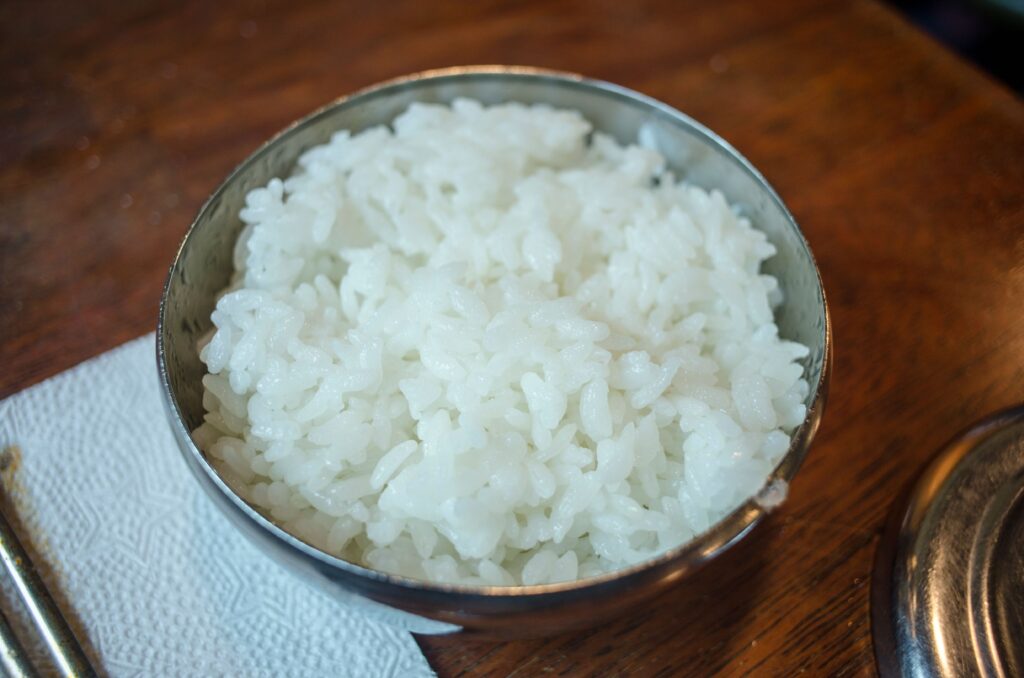
Rice is one of those pantry foods that is easy to buy and easy to forget.
Then more groceries come home.
The new bags get placed in front of the older ones. A few months pass. Then a year. Eventually, you may discover rice pushed into the back of a cabinet that you completely forgot you owned.
This is where food rotation becomes important.
Rotating your rice supply simply means using older rice before newer rice whenever practical. It is a straightforward system, but it can help you stay organized, reduce unnecessary waste, and keep your pantry from becoming a collection of forgotten food.
The good news is that you don’t need an elaborate emergency preparedness system to do this successfully. You don’t need dozens of labels, expensive containers, or complicated spreadsheets.
You simply need a method that works with the way your household normally uses food.
In this guide, you’ll learn how to create a practical rice rotation system, organize new purchases, keep track of what you have, and make stored rice part of your regular meals.
The Golden Rule: First In, First Out
The easiest way to understand food rotation is through one simple principle:
First In, First Out.
This means the rice you purchased or stored first should generally be the rice you use first.
When you bring home a new bag, avoid automatically placing it at the front where it will be used before older supplies.
Instead:
Older rice → Front
Newer rice → Back
The next time you need rice for a meal, take from the older supply first.
This simple habit can prevent a surprising amount of food waste.
Think of Your Pantry Like a Grocery Store
Grocery stores regularly rotate products so older items are sold before newer deliveries.
You can apply the same basic idea at home.
You don’t need to make your pantry look like a supermarket. You simply need to make sure older food remains visible and accessible.
If the oldest rice is buried behind newer purchases, your rotation system probably won’t work.
Start by Finding Out What You Already Have
Before creating a new system, check your current rice supply.
Gather your rice from:
- Kitchen cabinets
- Pantry shelves
- Basement storage
- Emergency food supplies
- Storage containers
You may be surprised by how much you have.
Check each package and ask:
- What type of rice is this?
- When did I purchase it?
- Which package is oldest?
- Is the packaging in good condition?
- Where should this fit into my rotation system?
You don’t necessarily need to know the exact date for every bag.
If you don’t remember when something was purchased, make a reasonable estimate and place it where you believe it belongs in your rotation.
The goal is not perfection.
The goal is to stop losing track of your food.
Create Separate Areas for Everyday Rice and Stored Rice

One of the easiest ways to make rotation confusing is keeping everything mixed.
Consider creating two simple categories.
Everyday Rice
This is the rice you regularly use for meals.
Keep it somewhere convenient and easy to reach.
For example:
- A kitchen cabinet
- A pantry shelf
- A countertop container
Backup Rice
This is your additional supply.
It may include:
- Extra bags
- Bulk purchases
- Emergency pantry supplies
- Longer-term storage
Your backup supply should still be organized so you know what you have, but you don’t necessarily need to open every package immediately.
When your everyday rice supply starts getting low, refill it using the oldest appropriate backup supply.
This creates a natural flow:
Backup supply → Everyday supply → Meals
Instead of constantly digging through multiple bags, you have a simple system that keeps food moving.
Make Older Rice Impossible to Ignore
One reason food gets wasted is simple:
People use whatever they see first.
You can use this to your advantage.
Place older rice where it is easiest to reach.
Place newer rice behind it.
If your pantry is arranged vertically, put older food at eye level or in the most convenient location.
If you use storage containers, clearly identify which container should be opened next.
Your goal is to make the correct choice the easiest choice.
A Simple Example
Imagine you have:
- One bag purchased earlier
- One bag purchased several months later
- One brand-new bag
Your system might look like this:
USE FIRST → Oldest Bag
⬇
USE NEXT → Middle Bag
⬇
USE LAST → Newest Bag
You don’t need complicated software to manage three bags of rice.
You just need to keep them in the correct order.
Label Your Rice Supply
Labels can make food rotation much easier.
When you purchase or package rice, consider writing down useful information such as:
- Type of rice
- Purchase date
- Packaging date, if applicable
For example:
Jasmine Rice
Purchased: September 2026
The label doesn’t need to be fancy.
A piece of masking tape and a permanent marker may be enough for many households.
The important thing is being able to quickly identify what you have.
Why Labels Matter
Imagine finding two identical containers several months from now.
Without labels, you may have no idea:
- Which one is older
- What type of rice is inside
- Which container should be opened first
Labels eliminate much of that confusion.
Use Rice Regularly Instead of Saving It Forever
One of the biggest mistakes people make when building an emergency food supply is treating stored food as something that should never be touched.
They buy it.
Store it.
And forget it.
A better approach for many households is to include stored foods in normal meal planning.
Rice is particularly easy to rotate because it can be used in so many different meals.
You might use it with:
- Beans
- Chicken
- Vegetables
- Soups
- Stir-fries
- Casseroles
- Curries
- Side dishes
Every time you use some of your older supply, you create space for newer purchases to move into the system.
This is sometimes called a working pantry.
Your emergency food isn’t sitting completely untouched. Instead, your household regularly uses and replaces the foods you store.
A Simple Family Rotation Example
Imagine a family that keeps three bags of rice as part of its pantry supply.
They purchase a new bag whenever they begin using the last unopened bag.
Their system looks like this:
Bag #1 — Currently being used
Bag #2 — Next in line
Bag #3 — Newest backup
When Bag #1 is finished:
- Bag #2 becomes the current bag.
- Bag #3 moves forward.
- A new bag is purchased and placed at the back.
The family maintains a supply without constantly wondering what to buy or which bag to open.
This same system can work whether you store three bags or thirty.
Choose a Refill Point
One way to avoid running out of rice is to decide in advance when you will replace it.
For example, you might decide:
“When I open my last backup bag, I will add rice to my grocery list.”
This is your refill point.
Without a refill point, you may not realize your supply is getting low until you have already used most of it.
A refill point turns pantry management into a routine.
Instead of asking:
“Do we have enough rice?”
You already know what action to take.
Keep It Simple
You don’t need to calculate complicated inventory numbers.
For many households, something as simple as:
Always keep three unopened bags
can work well.
When you open the third bag, buy another one.
Your ideal number will depend on:
- Household size
- Rice consumption
- Storage space
- Budget
- Emergency preparedness goals
Check Your Supply Before Buying More

Bulk purchases can save money in some situations, but buying without checking your current supply can create unnecessary clutter.
Before purchasing another large bag, take a quick look at what you already have.
Ask:
- How much rice is currently stored?
- Which supply is oldest?
- Do I have enough space?
- Am I buying because I need it or simply because it is on sale?
Sales can be useful opportunities, but a bargain isn’t helpful if you purchase more food than you can organize and use.
The best pantry is not necessarily the biggest pantry.
It is the pantry you can manage.
Use a Simple Inventory System
If your rice supply is small, you may not need a written inventory.
But if you store larger quantities, a basic list can be helpful.
You could write down:
| Rice Type | Quantity | Oldest Purchase |
|---|---|---|
| Long-Grain Rice | 20 pounds | Earlier supply |
| Jasmine Rice | 10 pounds | Middle supply |
| Brown Rice | 5 pounds | Recent supply |
You can keep this information:
- On paper
- In a notebook
- On your phone
- On a simple spreadsheet
Again, the system does not need to be complicated.
Its purpose is simply to help you know what you have.
Don’t Forget Different Types of Rice
If you store several varieties, rotate each one separately.
For example:
- White rice
- Brown rice
- Jasmine rice
- Basmati rice
Don’t assume every type should automatically be treated exactly the same.
Keep track of what you use regularly and organize each variety in a way that makes sense for your household.
If one type is rarely used, ask yourself whether it makes sense to keep a large quantity of it.
A food storage plan should reflect your actual eating habits.
Common Rice Rotation Problems and How to Fix Them
Problem: New Bags Keep Going in Front
Solution: Make a designated space at the back of the shelf for new purchases.
Get into the habit of moving older supplies forward before putting groceries away.
Problem: You Forget What You Have
Solution: Use simple labels or keep a basic inventory list.
You don’t need exact records for every grain of rice.
Just make it easy to identify your supply.
Problem: Rice Gets Buried in Storage
Solution: Periodically check your pantry.
A quick review every few months can help you find forgotten food before it becomes a bigger problem.
Problem: You Save Everything for an Emergency
Solution: Make rice part of your regular meals.
The easiest food to rotate is food you actually eat.
Problem: You Keep Buying More During Sales
Solution: Set a reasonable maximum amount based on your storage space and household needs.
You can always take advantage of future sales.
You don’t need to buy every bargain you see.
A Monthly Rice Rotation Routine
You don’t need to inspect your rice every day.
A simple monthly or regular routine can be enough for many households.
Take a few minutes to:
Check your everyday supply
Is your current container getting low?
Look at your backup supply
Which bag should be used next?
Check for obvious damage
Look for damaged packaging or signs of moisture.
Move older food forward
Make sure the next item to be used is easy to reach.
Add rice to your shopping list if necessary
Replace supplies according to your refill point.
This entire process may take only a few minutes.
The key is consistency.
How Rice Rotation Fits Into an Emergency Pantry

Rice rotation is not just about preventing waste.
It can also help you maintain a more reliable emergency food supply.
An emergency pantry works best when you understand:
- What food you have
- Where it is stored
- How old it is
- How it should be used
- When it needs to be replaced
A rotating pantry keeps food moving through the system.
Instead of hoping that a forgotten supply will still be usable years from now, you regularly use and replace your stored foods.
This approach can make emergency preparedness feel less overwhelming.
You aren’t maintaining a separate collection of mysterious survival food.
You are managing the food your household already eats.
Final Thoughts: Build a System You Can Actually Maintain
The best way to rotate your rice supply is not necessarily the most complicated method.
For most households, a simple system works extremely well:
Use the oldest rice first.
Place new purchases behind older supplies.
Label what you store.
Use rice regularly in your normal meals.
Replace your supply before it runs too low.
That’s it.
You don’t need an elaborate pantry system to prevent food waste.
The most important thing is creating a routine that fits naturally into your household.
Whether you keep a few bags of rice in your kitchen or maintain a larger emergency food supply, rotation helps you stay organized and aware of what you own.
When stored food becomes part of your everyday routine, it is far less likely to disappear into the back of a closet and be forgotten.
Start with the rice you already have today. Identify your oldest supply, move it where you can reach it, and make a plan to use it.
That one simple step can be the beginning of a better-organized pantry and a more practical emergency food supply.
How to Rotate Your Rice Supply and Prevent Food Waste
Rice is one of those pantry foods that is easy to buy and easy to forget.
You may purchase an extra bag during a grocery sale, add several larger bags to your emergency food supply, or gradually build a long-term pantry. At first, everything seems organized.
Then more groceries come home.
The new bags get placed in front of the older ones. A few months pass. Then a year. Eventually, you may discover rice pushed into the back of a cabinet that you completely forgot you owned.
This is where food rotation becomes important.
Rotating your rice supply simply means using older rice before newer rice whenever practical. It is a straightforward system, but it can help you stay organized, reduce unnecessary waste, and keep your pantry from becoming a collection of forgotten food.
The good news is that you don’t need an elaborate emergency preparedness system to do this successfully. You don’t need dozens of labels, expensive containers, or complicated spreadsheets.
You simply need a method that works with the way your household normally uses food.
In this guide, you’ll learn how to create a practical rice rotation system, organize new purchases, keep track of what you have, and make stored rice part of your regular meals.
The Golden Rule: First In, First Out
The easiest way to understand food rotation is through one simple principle:
First In, First Out.
This means the rice you purchased or stored first should generally be the rice you use first.
When you bring home a new bag, avoid automatically placing it at the front where it will be used before older supplies.
Instead:
Older rice → Front
Newer rice → Back
The next time you need rice for a meal, take from the older supply first.
This simple habit can prevent a surprising amount of food waste.
Think of Your Pantry Like a Grocery Store
Grocery stores regularly rotate products so older items are sold before newer deliveries.
You can apply the same basic idea at home.
You don’t need to make your pantry look like a supermarket. You simply need to make sure older food remains visible and accessible.
If the oldest rice is buried behind newer purchases, your rotation system probably won’t work.
Start by Finding Out What You Already Have
Before creating a new system, take a look at your current rice supply.
Gather your rice from:
- Kitchen cabinets
- Pantry shelves
- Basement storage
- Emergency food supplies
- Storage containers
You may be surprised by how much you have.
Check each package and ask:
- What type of rice is this?
- When did I purchase it?
- Which package is oldest?
- Is the packaging in good condition?
- Where should this fit into my rotation system?
You don’t necessarily need to know the exact date for every bag.
If you don’t remember when something was purchased, make a reasonable estimate and place it where you believe it belongs in your rotation.
The goal is not perfection.
The goal is to stop losing track of your food.
Create Separate Areas for Everyday Rice and Stored Rice
One of the easiest ways to make rotation confusing is keeping everything mixed together.
Consider creating two simple categories.
Everyday Rice
This is the rice you regularly use for meals.
Keep it somewhere convenient and easy to reach.
For example:
- A kitchen cabinet
- A pantry shelf
- A countertop container
Backup Rice
This is your additional supply.
It may include:
- Extra bags
- Bulk purchases
- Emergency pantry supplies
- Longer-term storage
Your backup supply should still be organized so you know what you have, but you don’t necessarily need to open every package immediately.
When your everyday rice supply starts getting low, refill it using the oldest appropriate backup supply.
This creates a natural flow:
Backup supply → Everyday supply → Meals
Instead of constantly digging through multiple bags, you have a simple system that keeps food moving.
Make Older Rice Impossible to Ignore
One reason food gets wasted is simple:
People use whatever they see first.
You can use this to your advantage.
Place older rice where it is easiest to reach.
Place newer rice behind it.
If your pantry is arranged vertically, put older food at eye level or in the most convenient location.
If you use storage containers, clearly identify which container should be opened next.
Your goal is to make the correct choice the easiest choice.
A Simple Example
Imagine you have:
- One bag purchased earlier
- One bag purchased several months later
- One brand-new bag
Your system might look like this:
USE FIRST → Oldest Bag
⬇
USE NEXT → Middle Bag
⬇
USE LAST → Newest Bag
You don’t need complicated software to manage three bags of rice.
You just need to keep them in the correct order.
Label Your Rice Supply
Labels can make food rotation much easier.
When you purchase or package rice, consider writing down useful information such as:
- Type of rice
- Purchase date
- Packaging date, if applicable
For example:
Jasmine Rice
Purchased: September 2026
The label doesn’t need to be fancy.
A piece of masking tape and a permanent marker may be enough for many households.
The important thing is being able to quickly identify what you have.
Why Labels Matter
Imagine finding two identical containers several months from now.
Without labels, you may have no idea:
- Which one is older
- What type of rice is inside
- Which container should be opened first
Labels eliminate much of that confusion.
Use Rice Regularly Instead of Saving It Forever
One of the biggest mistakes people make when building an emergency food supply is treating stored food as something that should never be touched.
They buy it.
Store it.
And forget it.
A better approach for many households is to include stored foods in normal meal planning.
Rice is particularly easy to rotate because it can be used in so many different meals.
You might use it with:
- Beans
- Chicken
- Vegetables
- Soups
- Stir-fries
- Casseroles
- Curries
- Side dishes
Every time you use some of your older supply, you create space for newer purchases to move into the system.
This is sometimes called a working pantry.
Your emergency food isn’t sitting completely untouched. Instead, your household regularly uses and replaces the foods you store.
A Simple Family Rotation Example
Imagine a family that keeps three bags of rice as part of its pantry supply.
They purchase a new bag whenever they begin using the last unopened bag.
Their system looks like this:
Bag #1 — Currently being used
Bag #2 — Next in line
Bag #3 — Newest backup
When Bag #1 is finished:
- Bag #2 becomes the current bag.
- Bag #3 moves forward.
- A new bag is purchased and placed at the back.
The family maintains a supply without constantly wondering what to buy or which bag to open.
This same system can work whether you store three bags or thirty.
Choose a Refill Point
One way to avoid running out of rice is to decide in advance when you will replace it.
For example, you might decide:
“When I open my last backup bag, I will add rice to my grocery list.”
This is your refill point.
Without a refill point, you may not realize your supply is getting low until you have already used most of it.
A refill point turns pantry management into a routine.
Instead of asking:
“Do we have enough rice?”
You already know what action to take.
Keep It Simple
You don’t need to calculate complicated inventory numbers.
For many households, something as simple as:
Always keep three unopened bags
can work well.
When you open the third bag, buy another one.
Your ideal number will depend on:
- Household size
- Rice consumption
- Storage space
- Budget
- Emergency preparedness goals
Check Your Supply Before Buying More
Bulk purchases can save money in some situations, but buying without checking your current supply can create unnecessary clutter.
Before purchasing another large bag, take a quick look at what you already have.
Ask:
- How much rice is currently stored?
- Which supply is oldest?
- Do I have enough space?
- Am I buying because I need it or simply because it is on sale?
Sales can be useful opportunities, but a bargain isn’t helpful if you purchase more food than you can organize and use.
The best pantry is not necessarily the biggest pantry.
It is the pantry you can manage.
Use a Simple Inventory System
If your rice supply is small, you may not need a written inventory.
But if you store larger quantities, a basic list can be helpful.
You could write down:
| Rice Type | Quantity | Oldest Purchase |
|---|---|---|
| Long-Grain Rice | 20 pounds | Earlier supply |
| Jasmine Rice | 10 pounds | Middle supply |
| Brown Rice | 5 pounds | Recent supply |
You can keep this information:
- On paper
- In a notebook
- On your phone
- On a simple spreadsheet
Again, the system does not need to be complicated.
Its purpose is simply to help you know what you have.
Don’t Forget Different Types of Rice
If you store several varieties, rotate each one separately.
For example:
- White rice
- Brown rice
- Jasmine rice
- Basmati rice
Don’t assume every type should automatically be treated exactly the same.
Keep track of what you use regularly and organize each variety in a way that makes sense for your household.
If one type is rarely used, ask yourself whether it makes sense to keep a large quantity of it.
A food storage plan should reflect your actual eating habits.
Common Rice Rotation Problems and How to Fix Them
Problem: New Bags Keep Going in Front
Solution: Make a designated space at the back of the shelf for new purchases.
Get into the habit of moving older supplies forward before putting groceries away.
Problem: You Forget What You Have
Solution: Use simple labels or keep a basic inventory list.
You don’t need exact records for every grain of rice.
Just make it easy to identify your supply.
Problem: Rice Gets Buried in Storage
Solution: Periodically check your pantry.
A quick review every few months can help you find forgotten food before it becomes a bigger problem.
Problem: You Save Everything for an Emergency
Solution: Make rice part of your regular meals.
The easiest food to rotate is food you actually eat.
Problem: You Keep Buying More During Sales
Solution: Set a reasonable maximum amount based on your storage space and household needs.
You can always take advantage of future sales.
You don’t need to buy every bargain you see.
A Monthly Rice Rotation Routine
You don’t need to inspect your rice every day.
A simple monthly or regular routine can be enough for many households.
Take a few minutes to:
Check your everyday supply
Is your current container getting low?
Look at your backup supply
Which bag should be used next?
Check for obvious damage
Look for damaged packaging or signs of moisture.
Move older food forward
Make sure the next item to be used is easy to reach.
Add rice to your shopping list if necessary
Replace supplies according to your refill point.
This entire process may take only a few minutes.
The key is consistency.
How Rice Rotation Fits Into an Emergency Pantry
Rice rotation is not just about preventing waste.
It can also help you maintain a more reliable emergency food supply.
An emergency pantry works best when you understand:
- What food you have
- Where it is stored
- How old it is
- How it should be used
- When it needs to be replaced
A rotating pantry keeps food moving through the system.
Instead of hoping that a forgotten supply will still be usable years from now, you regularly use and replace your stored foods.
This approach can make emergency preparedness feel less overwhelming.
You aren’t maintaining a separate collection of mysterious survival food.
You are managing the food your household already eats.
Recommended Resource: The Lost Super Foods
If you’re building a long-term emergency food supply, it’s worth learning about the foods our grandparents and earlier generations relied on before modern refrigeration and grocery stores became common.
The Lost Super Foods: A guide that explores forgotten preservation methods, shelf-stable foods, and traditional survival recipes that helped families thrive during difficult times. The guide includes practical information on food storage, preservation techniques, and nutrient-dense foods that can complement a well-stocked emergency pantry.
Whether you’re just starting your preparedness journey or looking to expand your food storage knowledge, this resource may provide valuable insights for creating a more resilient pantry.
👉 Click here to learn more about The Lost Super Foods.
Final Thoughts: Build a System You Can Actually Maintain
The best way to rotate your rice supply is not necessarily the most complicated method.
For most households, a simple system works extremely well:
Use the oldest rice first.
Place new purchases behind older supplies.
Label what you store.
Use rice regularly in your normal meals.
Replace your supply before it runs too low.
That’s it.
You don’t need an elaborate pantry system to prevent food waste.
The most important thing is creating a routine that fits naturally into your household.
Whether you keep a few bags of rice in your kitchen or maintain a larger emergency food supply, rotation helps you stay organized and aware of what you own.
When stored food becomes part of your everyday routine, it is far less likely to disappear into the back of a closet and be forgotten.
Start with the rice you already have today. Identify your oldest supply, move it where you can reach it, and make a plan to use it.
That one simple step can become the beginning of a better-organized pantry and a more practical emergency food supply.
Related Articles
The Complete Beginner,s Guide To Emergency Food Storage