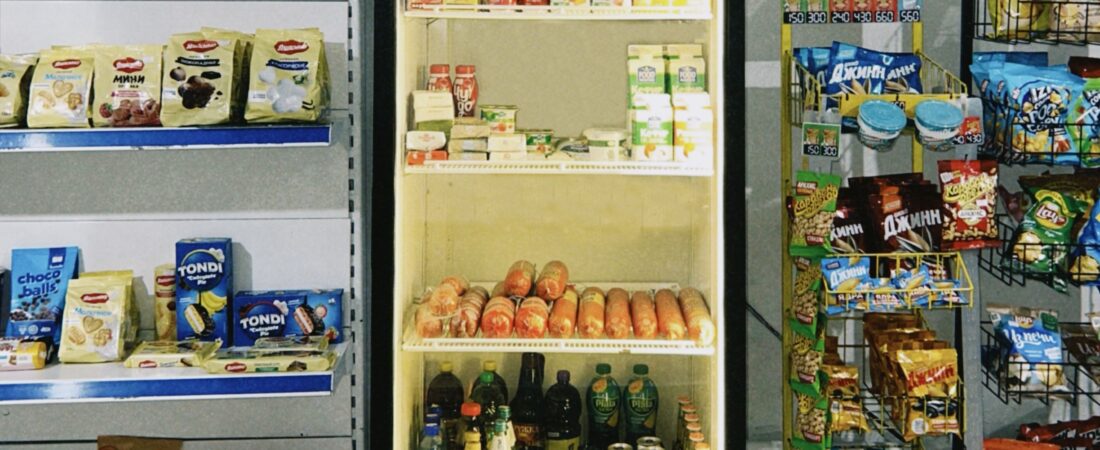
Affiliate Disclosure: This post may contain affiliate links. I may earn a commission at no extra cost to you.
Disclosure: As an Amazon Associate, I earn from qualifying purchases. This comes at no additional cost to you.
FREE Checklist: 10 Survival Foods That Could Save Your Stockpile
Download Your FREE checklist Here!
Emergency storage basics
However, building a storage supply for emergency storage does not have to drain your bank account. One of the biggest myths about preparedness is that you need expensive freeze-dried meals. You do not need warehouse-sized purchases to be ready. The truth is that many dollar stores carry shelf-stable foods. They can become the foundation of a reliable pantry. While you may not find every item on your checklist, you can build an impressive stockpile over time. This relies on affordable, everyday products.
Families on tight budgets, retirees on fixed incomes, and beginners in emergency preparedness can find value in dollar stores.
Additionally, spending $10 to $20 each week builds emergency storage and adds a few extra items to every trip.
The key is knowing which foods offer the best value, the longest shelf life, and the greatest nutritional benefits.
Some products are excellent bargains, while others are better left on the shelf.
By choosing wisely and rotating your supplies regularly, you’ll build a pantry you can depend on when it matters most.
Additionally, prioritize items for emergency storage with long shelf life.
Why Dollar Stores Can Be a Great Resource
Dollar stores aren’t meant to replace traditional grocery stores, but they can be an excellent supplement. Many carry canned vegetables, pasta, rice, beans, soups, peanut butter, oatmeal, canned meats, and other pantry staples at affordable prices.
The biggest advantage is accessibility. If you live in a rural area or have a limited grocery budget, stopping by a dollar store once a week makes preparedness manageable. Instead of feeling overwhelmed by the cost of building a large emergency food supply, you can focus on steady progress.
Before buying, compare unit prices when possible. Sometimes larger grocery stores offer better value on bulk items, but dollar stores frequently have competitive prices on canned goods, spices, pasta, and baking ingredients. Shopping with a list helps you avoid impulse purchases and focus on foods that truly strengthen your emergency pantry.
Story: Preparing One Shopping Trip at a Time
Every Friday after picking up her prescription, Linda stopped at her neighborhood dollar store with a simple goal: buy five emergency pantry items. One week it was canned vegetables and rice. The next week she added oatmeal, peanut butter, and canned chicken. After several months, she looked at her pantry shelves and realized she had quietly built enough food to feed her family for weeks. She never felt financial pressure because she spread the purchases over time, proving that small, consistent steps can lead to impressive results.
The Best Dollar Store Foods to Buy

Some of the best emergency foods can often be found at dollar stores. Focus on foods your family already enjoys and that have a reasonable shelf life.
Excellent choices include:
- White rice
- Dry beans
- Lentils
- Pasta
- Instant mashed potatoes
- Rolled oats
- Peanut butter
- Canned tuna
- Canned chicken
- Canned salmon
- Canned vegetables
- Canned fruit
- Canned soups
- Chili
- Shelf-stable milk
- Powdered drink mixes
- Crackers (rotate regularly)
- Applesauce
- Ramen noodles
- Macaroni and cheese
These foods can be combined into dozens of simple meals while providing carbohydrates, protein, and important nutrients. When selecting canned goods, inspect each can carefully for dents, rust, or damage before placing it in your cart.
Don’t overlook basic seasonings like salt, pepper, garlic powder, and Italian seasoning. Familiar flavors can make simple emergency meals far more enjoyable.
Foods Worth Skipping
Not every bargain is a good investment for long-term storage.
Snack cakes, chips, candy, and sugary cereals may be tempting, but they provide little nutrition and generally have shorter shelf lives. Likewise, cooking oils stored in warm environments can become rancid over time.
Be cautious with products packaged in thin plastic bags that can tear easily during storage. If you purchase dry foods in lightweight packaging, transfer them into airtight containers once you get home.
Avoid buying large quantities of foods your family doesn’t normally eat. Emergency food should be familiar, comforting, and easy to prepare.
Story: Learning the Hard Way
David proudly filled several storage bins with discounted snack foods and bargain treats during a clearance sale. Months later, when a severe thunderstorm knocked out power for several days, he discovered most of the snacks were stale while his family wished they had more filling foods like rice, beans, and canned meat. After that experience, David reorganized his pantry around nutritious staples instead of convenience foods. He realized that true preparedness means storing meals, not just snacks.
Build Balanced Meals
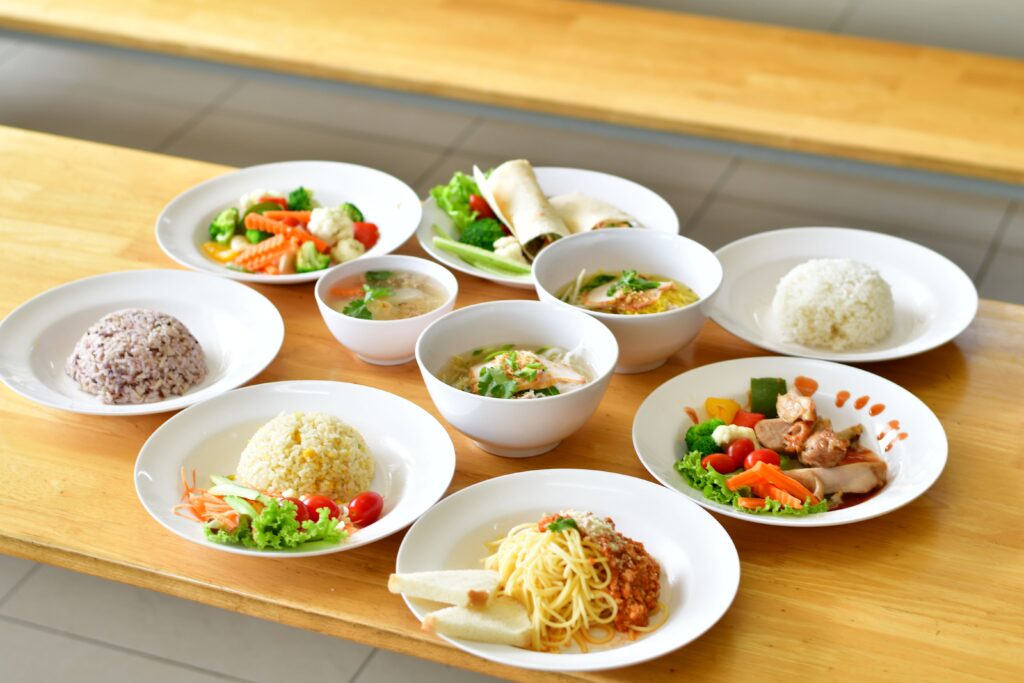
An emergency pantry should support complete meals rather than random ingredients.
Try combining foods like:
- Rice with canned chicken and vegetables
- Pasta with canned tomatoes and tuna
- Oatmeal with canned fruit
- Beans served over rice
- Instant mashed potatoes with canned beef
- Chili with crackers
- Soup served alongside peanut butter sandwiches
Planning meals while shopping helps ensure your pantry contains ingredients that work well together.
It’s also helpful to include a few comfort foods, such as hot chocolate, coffee, tea, pudding mixes, or hard candy. During stressful situations, familiar treats can boost morale and provide a welcome sense of normalcy.
Stretch Your Budget Even Further
Preparedness isn’t about spending more—it’s about spending wisely.
Set a weekly budget that fits comfortably within your finances. Even $15 or $20 each week can build a substantial pantry over the course of a year.
Watch for seasonal sales and combine dollar store purchases with grocery store specials. Buy extra when staple foods are discounted, especially canned vegetables, soups, pasta, and rice.
Keep a written inventory of what you have. This prevents accidental overbuying and helps you identify gaps in your food supply.
Story: Ready Before Hurricane Season
Every spring, the Nelson family reviewed their pantry before hurricane season. Because they had spent the previous year adding a few dollar store items every week, they already had shelves filled with canned vegetables, beans, pasta, soups, peanut butter, and bottled water. When neighbors rushed to crowded stores after the first hurricane warnings appeared, the Nelsons stayed home, confident they had everything they needed. Their preparation allowed them to avoid panic buying and focus on protecting their home and checking on relatives.
Store Dollar Store Foods Properly
Even inexpensive foods deserve proper storage.
Choose a cool, dry, dark location away from sunlight and temperature swings. Keep food off concrete floors by placing boxes or shelves underneath your supplies.
Use airtight containers for dry goods whenever possible. Label containers with purchase or packing dates and rotate older foods to the front so they are used first.
Inspect your pantry every six months for damaged packaging, expired products, or signs of pests. Regular maintenance keeps your emergency food supply dependable.
Don’t Forget Water and Basic Supplies

Food is only part of emergency preparedness.
Store enough drinking water for every household member, along with a manual can opener, disposable plates and utensils, paper towels, flashlights, batteries, matches, and a simple camping stove or other backup cooking method if appropriate.
Having these supplies ready makes your food much easier to use during a prolonged power outage or natural disaster.
Common Mistakes to Avoid
Many beginners make the same avoidable mistakes.
Try not to:
- Buy foods no one enjoys eating.
- Ignore expiration or best-by dates.
- Forget to rotate supplies.
- Store food in hot garages or damp basements.
- Buy only canned goods without including dry staples.
- Skip proteins in favor of inexpensive carbohydrates.
- Forget spices and seasonings.
A balanced pantry includes proteins, grains, fruits, vegetables, healthy fats, and foods that provide comfort during stressful times.
Story: Pantry Staples During a Winter Storm
When an unexpected winter storm closed roads for nearly a week, the Harris family depended heavily on the pantry they had quietly built using weekly dollar store purchases. Rice, canned soups, peanut butter, beans, pasta, oatmeal, canned fruit, and shelf-stable milk became simple but satisfying meals while grocery deliveries remained impossible. Looking back, they agreed that the greatest benefit wasn’t just the food itself—it was the peace of mind that came from knowing they were prepared before the storm ever arrived.
Recommended Resource: The Lost Super Foods
If you’re building a long-term emergency food supply, it’s worth learning about the foods our grandparents and earlier generations relied on before modern refrigeration and grocery stores became common.
The Lost Super Foods is a guide that explores forgotten preservation methods, shelf-stable foods, and traditional survival recipes that helped families thrive during difficult times. The guide includes practical information on food storage, preservation techniques, and nutrient-dense foods that can complement a well-stocked emergency pantry.
Whether you’re just starting your preparedness journey or looking to expand your food storage knowledge, this resource may provide valuable insights for creating a more resilient pantry.
Click here to learn more about The Lost Super Foods
Final Thoughts
Building an emergency pantry doesn’t require a large budget or expensive specialty foods.
Additionally, this emergency storage plan uses long-lasting staples, shopping consistently, and proper food storage.
Dollar stores make preparedness accessible to nearly everyone, and steady progress matters more than a single shopping trip.
Like the families in these stories, you’ll discover that preparedness isn’t about fear—it’s about confidence. Every can of vegetables, every bag of rice, and every jar of peanut butter you add today is another step toward greater security for tomorrow. Over time, those small purchases become a pantry that can help your family weather storms, power outages, and unexpected financial challenges with far less stress.
Your next step: On your next visit to a dollar store, choose five shelf-stable foods your family already eats and set aside a dedicated shelf for your emergency pantry. It’s a simple habit that can grow into a food supply you’ll be grateful to have when you need it most.
Recommended Resources
25 Pantry Foods That Last The Longest