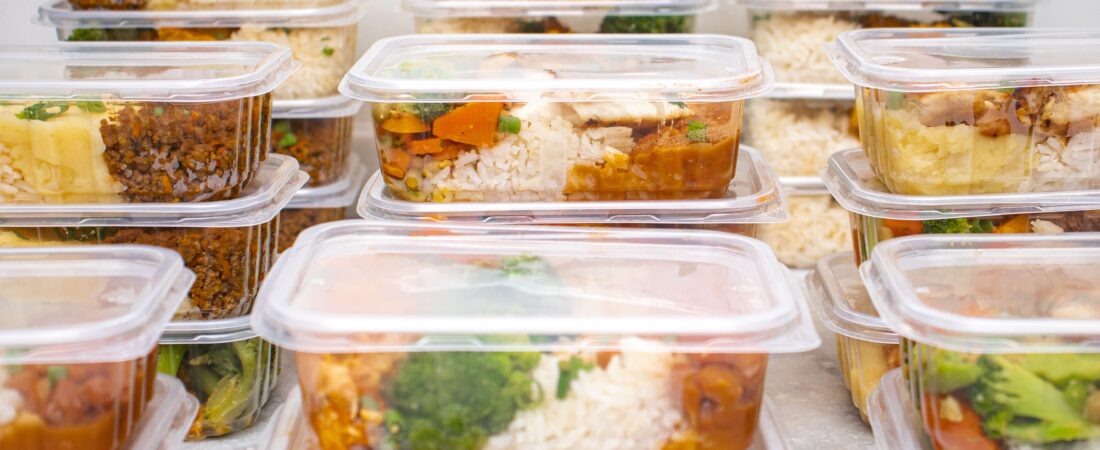
When the power goes out, or an emergency disrupts daily life, preparing meals can become difficult—or even impossible. Whether you’re facing a natural disaster, a prolonged power outage, or simply want to be prepared for the unexpected, having a supply of no-cook emergency foods can provide peace of mind.
The best emergency foods require little to no preparation, have long shelf lives, and provide the calories and nutrients your body needs during stressful situations. By stocking your pantry with ready-to-eat staples, you’ll be able to feed yourself and your family without relying on electricity, gas, or camp stoves.
This guide covers the best no-cook emergency foods, how to store them, and tips for building a well-rounded emergency pantry.
Affiliate Disclosure: This post may contain affiliate links. I may earn a commission at no extra cost to you.
FREE Checklist: 10 Survival Foods That Could Save Your Stockpile
Download your FREE Checklist here!
Why No-Cook Foods Are Essential
Many emergency food plans focus on foods that can be cooked, such as rice, pasta, and dried beans. While these are excellent long-term staples, they all require fuel, water, and cooking equipment.
During emergencies, you may not have access to:
- Electricity
- Natural gas
- Propane
- Firewood
- Clean water for cooking
Ready-to-eat foods eliminate those concerns. They’re convenient, safe, and require little effort to prepare.
What Makes a Good No-Cook Emergency Food?
When selecting foods for emergency storage, look for products that offer:
- A long shelf life
- High calorie content
- Good nutritional value
- Minimal preparation
- Easy storage
- Durable packaging
A variety of foods also helps prevent appetite fatigue, making it easier to maintain morale during extended emergencies.
1. Canned Meats

Popular choices include:
- Chicken
- Tuna
- Salmon
- Turkey
- Roast beef
- Ham
- Sardines
Most canned meats can be eaten directly from the can and pair well with crackers, tortillas, or canned vegetables.
Typical shelf life: 3–5 years or longer.
2. Peanut Butter and Other Nut Butters
Peanut butter is an emergency pantry favorite because it’s calorie-dense, filling, and requires no cooking.
It’s rich in:
- Healthy fats
- Protein
- Vitamin E
- Magnesium
Other excellent options include almond butter and sunflower seed butter.
Spread them on crackers, tortillas, or eat them straight from the jar.
3. Canned Beans
While many people heat canned beans, they are fully cooked and safe to eat right from the can.
Excellent choices include:
- Black beans
- Kidney beans
- Pinto beans
- Chickpeas
- Cannellini beans
For improved flavor, rinse them if clean water is available.
4. Crackers
Crackers are lightweight, portable, and pair well with almost every emergency food.
Look for varieties packaged in sealed sleeves or vacuum-packed containers.
Whole-grain crackers generally provide more fiber than traditional saltines.
5. Ready-to-Eat Canned Soups
Some soups taste surprisingly good without heating.
Examples include:
- Chicken noodle
- Vegetable soup
- Beef stew
- Lentil soup
- Chili
Choose pull-tab cans whenever possible to eliminate the need for a can opener.
6. Canned Vegetables
Vegetables provide important vitamins and minerals that are often missing from emergency diets.
Good options include:
- Corn
- Green beans
- Carrots
- Mixed vegetables
- Peas
- Beets
Most are fully cooked and ready to eat.
7. Canned Fruit
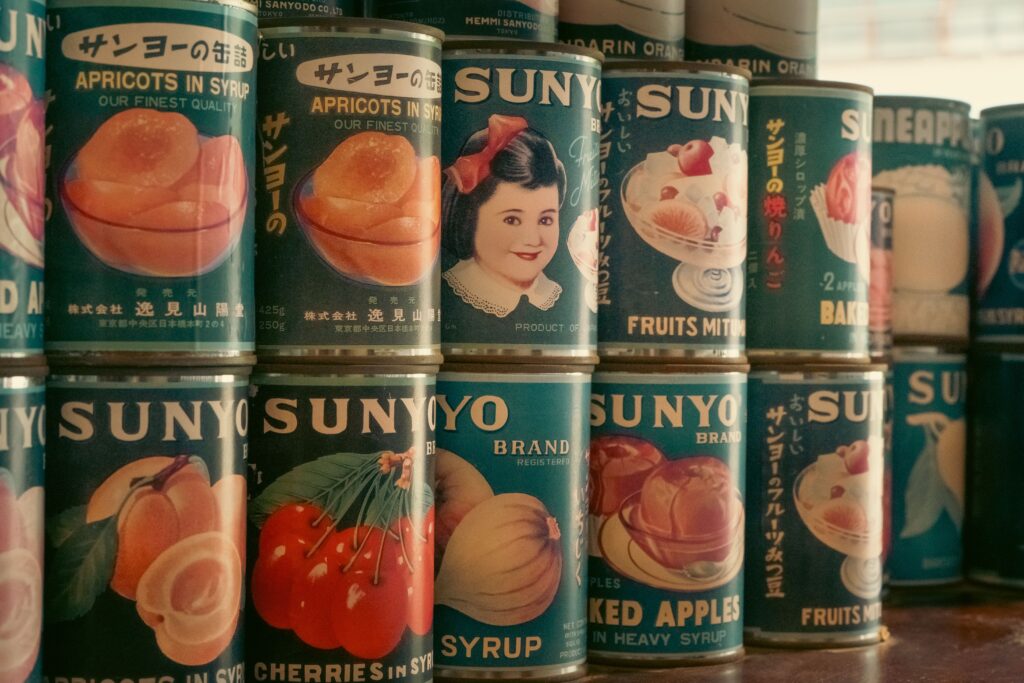
Fruit adds natural sweetness and hydration to emergency meals.
Popular choices include:
- Peaches
- Pears
- Pineapple
- Mandarin oranges
- Applesauce
- Mixed fruit
Choose fruit packed in juice whenever possible instead of heavy syrup.
8. Dried Fruit
Dried fruit is lightweight and stores well.
Excellent options include:
- Raisins
- Apricots
- Dates
- Cranberries
- Mango
- Apples
- Bananas
They provide quick energy and valuable nutrients.
9. Trail Mix
Trail mix combines several nutritious foods into one convenient package.
Most contain:
- Nuts
- Seeds
- Dried fruit
- Chocolate pieces
It’s an excellent high-calorie snack during emergencies.
10. Nuts and Seeds
Nuts are packed with healthy fats, protein, and calories.
Stock a variety such as:
- Almonds
- Walnuts
- Cashews
- Pecans
- Pistachios
- Pumpkin seeds
- Sunflower seeds
Vacuum-sealed packaging helps extend freshness.
11. Granola and Protein Bars
Energy bars are ideal because they’re individually packaged and easy to carry.
Look for bars that contain:
- Whole grains
- Protein
- Healthy fats
- Low added sugar
Rotate them periodically as they have shorter shelf lives than canned goods.
12. Beef Jerky and Meat Snacks
Jerky provides portable protein without refrigeration.
Choices include:
- Beef jerky
- Turkey jerky
- Beef sticks
- Meat snack sticks
Store them in cool, dry locations for maximum shelf life.
13. Shelf-Stable Cheese
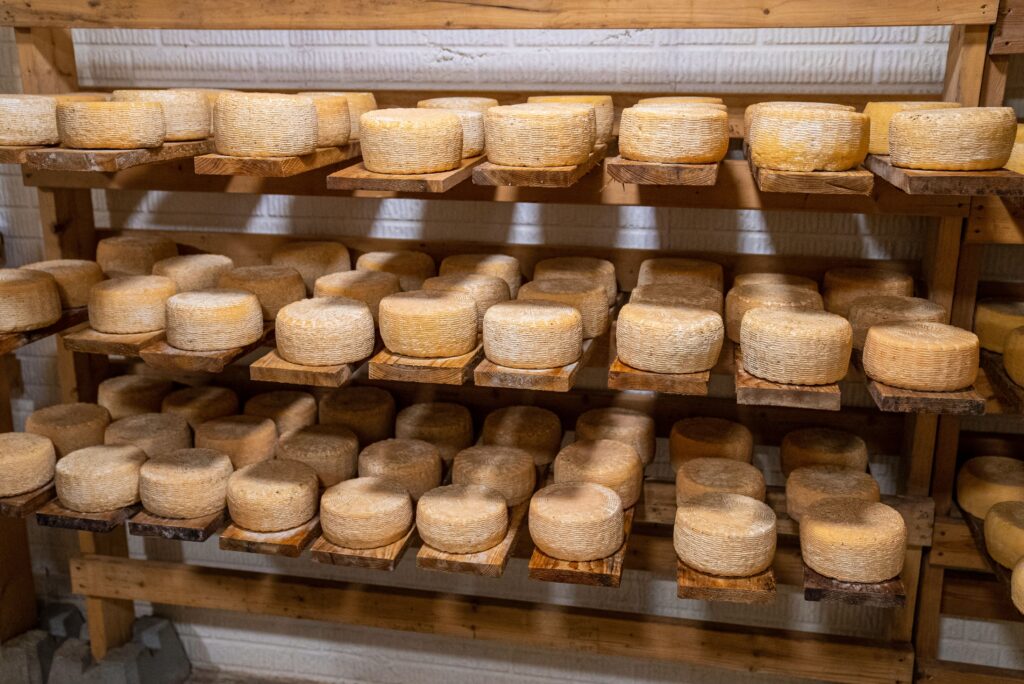
Certain processed cheeses are packaged for long-term storage without refrigeration until opened.
These products add flavor and extra calories to emergency meals.
14. Shelf-Stable Milk
Ultra-high-temperature (UHT) milk can remain shelf stable for months.
Other options include:
- Powdered milk (can also be eaten dry in recipes if necessary)
- Shelf-stable almond milk
- Shelf-stable soy milk
These products are useful if refrigeration isn’t available.
15. Ready-to-Eat Cereal
Dry cereal can be eaten directly from the box.
Choose whole-grain varieties fortified with vitamins and minerals.
They’re also excellent snacks for children.
16. Instant Oatmeal (When Hot Water Isn’t Available)
Although designed for hot water, instant oatmeal can soften using cold water if allowed to soak for several minutes.
Adding dried fruit or peanut butter improves flavor and nutrition.
17. Tortillas
Flour tortillas generally last longer than bread and require no refrigeration for several weeks if unopened.
They pair well with:
- Peanut butter
- Canned chicken
- Tuna
- Beans
- Cheese spreads
18. Honey
Honey is one of nature’s longest-lasting foods.
It provides:
- Quick energy
- Natural sweetness
- Antioxidants
Crystallized honey remains safe to eat and can be softened by placing the container in warm water.
19. Ready-to-Eat Freeze-Dried Foods
Many freeze-dried foods can be eaten dry in emergencies.
Examples include:
- Freeze-dried fruits
- Yogurt bites
- Some vegetable snacks
Although many are intended for rehydration, they’re still edible without cooking.
20. Emergency Food Rations
Commercial emergency ration bars are specifically designed for disasters.
Benefits include:
- High calorie content
- Long shelf life
- Compact packaging
- Heat tolerance
They’re ideal for bug-out bags and vehicle emergency kits.
Don’t Forget Water
Food is only part of emergency preparedness.
Store at least one gallon of water per person per day for drinking and basic sanitation.
If possible, maintain a two-week supply for every member of your household.
Portable water filters and purification tablets can provide additional security if stored water runs low.
Keep a Manual Can Opener
Many excellent emergency foods come in cans.
Without electricity, an electric can opener won’t help.
Store at least one sturdy manual can opener with your emergency supplies—and consider keeping a spare.
Rotate Your Food Supply
Even shelf-stable foods eventually lose quality.
Practice the “First In, First Out” (FIFO) method:
- Use the oldest food first.
- Replace it with new purchases.
- Check expiration dates every few months.
- Inspect cans for rust, dents, or swelling.
Regular rotation reduces waste and ensures your emergency pantry stays fresh.
Store Foods Properly
The best storage location is:
- Cool
- Dry
- Dark
- Climate controlled
Avoid garages, attics, or sheds where extreme temperatures can shorten shelf life.
Use airtight containers whenever practical to protect foods from moisture and pests.
Sample No-Cook Emergency Meal Ideas
Having ingredients is helpful, but combining them into satisfying meals makes emergencies more manageable.
Breakfast
- Granola with shelf-stable milk
- Peanut butter on crackers
- Dried fruit
- Trail mix
Lunch
- Tuna with crackers
- Canned peaches
- Mixed nuts
Dinner
- Canned chicken wrapped in tortillas
- Black beans
- Canned corn
- Applesauce
Snacks
- Jerky
- Protein bars
- Raisins
- Mixed nuts
- Honey packets
These simple meals provide a balance of carbohydrates, protein, and healthy fats without requiring cooking.
Frequently Asked Questions
Can canned food be eaten cold?
Yes. Nearly all commercially canned foods are fully cooked during processing and are safe to eat directly from the can unless the label specifically states otherwise.
What foods last the longest?
Some of the longest-lasting emergency foods include:
- White rice (requires cooking)
- Honey
- Canned meats
- Peanut butter
- Freeze-dried foods
- Emergency ration bars
Should I include comfort foods?
Absolutely. Familiar treats such as chocolate, hard candy, cookies, or drink mixes can boost morale during stressful situations. Just remember to rotate them as needed.
How much food should I store?
A common recommendation is to keep at least a two-week emergency food supply for each person in your household. Many preparedness experts work toward storing one to three months’ worth of food, with some building a year’s supply over time.
If you’re building a long-term emergency food supply, it’s worth learning about the foods our grandparents and earlier generations relied on before modern refrigeration and grocery stores became common.
The Lost Super Foods is a guide that explores forgotten preservation methods, shelf-stable foods, and traditional survival recipes that helped families thrive during difficult times. The guide includes practical information on food storage, preservation techniques, and nutrient-dense foods that can complement a well-stocked emergency pantry.
Whether you’re just starting your preparedness journey or looking to expand your food storage knowledge, this resource may provide valuable insights for creating a more resilient pantry.
👉 Click here to learn more about The Lost Super Foods.
Final Thoughts
No-cook emergency foods are an essential part of every preparedness plan. While staples like rice and dried beans are valuable for long-term storage, they aren’t always practical when fuel, electricity, or clean water are limited. By stocking ready-to-eat foods such as canned meats, beans, fruits, vegetables, crackers, nut butters, jerky, trail mix, and emergency ration bars, you’ll be prepared to eat well even during unexpected disruptions.
Start small by adding a few extra shelf-stable items to your grocery cart each shopping trip. Over time, you’ll build a reliable emergency pantry that provides nutrition, convenience, and peace of mind when you need it most.
Related Articles
Rotate Your Emergency Food Supply Without Waste