Building an emergency food storage supply takes time, money, and planning. Whether you’re storing a few extra weeks’ worth of groceries or building a long-term pantry, you want every item to last as long as possible. Unfortunately, many people unknowingly make storage mistakes that can significantly reduce the shelf life of their food.
The good news is that most food storage problems are preventable. By understanding what causes food to deteriorate, you can protect your investment and keep your pantry ready for everyday use or unexpected emergencies.
Below are some of the most common food storage errors and how to avoid them.
1. Storing Food in Hot Locations
Heat is one of the biggest enemies of long-term food storage. Many people keep extra food in garages, attics, sheds, or storage units where temperatures can climb well above 90°F during the summer. Those high temperatures speed up the breakdown of vitamins, fats, and packaging materials, shortening the shelf life of many pantry staples.
Instead, store food in the coolest part of your home whenever possible. Basements, interior closets, spare bedrooms, and climate-controlled pantries are much better choices. Even lowering the storage temperature by a few degrees can help many foods remain fresh much longer.
2. Ignoring Humidity
Moisture can quickly ruin dry foods such as rice, flour, pasta, sugar, and beans. High humidity encourages mold growth, causes foods to clump together, and may even lead to insect infestations if packaging becomes compromised.
Keep your pantry dry by using airtight containers and avoiding areas with excessive moisture. If your storage room tends to be humid, consider using a dehumidifier to help maintain a stable environment that protects your food supply.
3. Leaving Food in Thin Store Packaging
Many grocery store packages are designed for short-term storage, not for years of protection. Cardboard boxes, paper bags, and thin plastic packaging allow moisture, oxygen, insects, and rodents to reach the food over time.
For foods you plan to store long-term, transfer them into food-grade buckets, airtight containers, glass jars, or Mylar bags with oxygen absorbers when appropriate. Better packaging helps preserve freshness while reducing the risk of contamination.
4. Forgetting to Rotate Your Food
One of the most common mistakes is buying emergency food and forgetting about it until years later. While many foods remain safe beyond their “best by” dates, quality gradually declines, and some products eventually become unusable.
Practice the “first in, first out” method. Place newer purchases behind older ones and regularly use your oldest food in everyday meals before replacing it with fresh supplies. This simple habit keeps your pantry stocked with food that’s always ready to use.
5. Storing Food in Direct Sunlight
Sunlight increases temperatures and exposes food to ultraviolet light, both of which speed up deterioration. Canned goods, oils, spices, and packaged foods all benefit from being stored away from windows and other bright areas.
Choose dark cabinets, closets, or shelves that receive little or no direct sunlight. If your pantry has windows, consider blackout curtains or shelving that shields food from light exposure.
6. Overlooking Expiration and Best-By Dates
Many people assume that food becomes unsafe the moment it reaches its printed date. In reality, many “best by” dates refer to peak quality rather than food safety. However, ignoring dates completely can also create problems if foods remain stored for many years without inspection.
Set aside time every few months to check your pantry. Organize items by date, use foods approaching their best quality period, and replace them with fresh purchases. Regular inspections help reduce waste and prevent unpleasant surprises.
7. Storing Strong-Smelling Products Together
Certain foods easily absorb odors from nearby products. Flour, rice, sugar, oats, and other dry foods can take on unwanted flavors if stored beside cleaning supplies, gasoline, paint, or even strong spices.
Keep food storage completely separate from chemicals and household products. A dedicated pantry area protects both food quality and your family’s safety.
8. Buying More Than You Can Rotate
It’s easy to become excited about building a food supply and purchase far more than your family can reasonably use. While having extra food is beneficial, storing excessive amounts without a rotation plan often leads to unnecessary waste.
Build your pantry gradually by focusing on foods your household already enjoys eating. This makes rotation simple because you’re continually using and replacing the same items as part of your normal grocery routine.
9. Not Protecting Food from Pests
Mice, insects, and pantry moths can destroy a food supply surprisingly quickly. Even unopened packages may become damaged if pests find their way into your storage area.
Inspect your pantry regularly for signs of insects or rodents. Store vulnerable foods in sealed containers and keep shelves clean to eliminate crumbs that attract unwanted visitors. Prevention is much easier than dealing with an infestation after it starts.
10. Forgetting About Water Storage
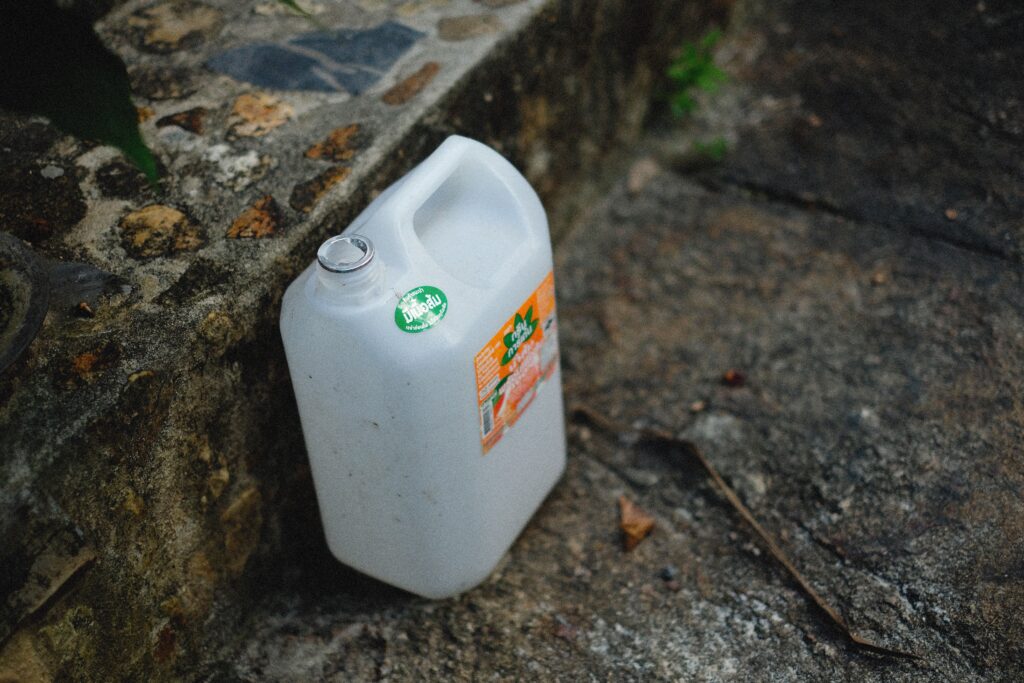
Many emergency foods require water for cooking. Rice, pasta, beans, oatmeal, and dehydrated foods become much less useful if you don’t have enough clean water available.
Store an adequate supply of drinking water alongside your food storage. Remember to include water for cooking, sanitation, and basic hygiene in your preparedness plans.
11. Failing to Label Repackaged Foods
When foods are transferred into jars, buckets, or Mylar bags, it’s easy to forget what was stored and when it was packaged. Months or years later, identifying those items can become difficult.
Label every container with the food name, packaging date, and, if applicable, the original best-by date. Clear labels make pantry rotation easier and help you keep track of your inventory.
12. Depending on Only One Type of Food
A pantry filled with only rice or only canned goods may provide calories, but it won’t offer much variety. Eating the same foods every day can lead to menu fatigue and make long-term emergencies more difficult.
Build a balanced pantry that includes grains, proteins, fruits, vegetables, healthy fats, baking ingredients, seasonings, and comfort foods. A diverse food supply provides better nutrition and gives you many more meal options.
Tips for Maximizing Shelf Life
Protecting your food supply doesn’t require expensive equipment. Most of the time, proper storage conditions make the biggest difference. Aim to keep your pantry cool, dry, dark, and clean throughout the year.
Inspect your food regularly, rotate your inventory, and replace damaged packaging immediately. Small maintenance tasks performed throughout the year can add years to the useful life of many pantry staples.
Finally, purchase foods your family already enjoys eating. A practical emergency pantry becomes part of your everyday life rather than something forgotten in the back of a closet.
If you’re building a long-term emergency food supply, it’s worth learning about the foods our grandparents and earlier generations relied on before modern refrigeration and grocery stores became common.
The Lost Super Foods is a guide that explores forgotten preservation methods, shelf-stable foods, and traditional survival recipes that helped families thrive during difficult times. The guide includes practical information on food storage, preservation techniques, and nutrient-dense foods that can complement a well-stocked emergency pantry.
Affiliate Disclosure: This post may contain affiliate links. I may earn a commission at no extra cost to you.
Whether you’re just starting your preparedness journey or looking to expand your food storage knowledge, this resource may provide valuable insights for creating a more resilient pantry.
👉 Click here to learn more about The Lost Super Foods.
Final Thoughts
Your emergency food supply is an investment in your family’s preparedness. Avoiding common storage mistakes helps protect that investment while reducing waste and extending shelf life.
By controlling temperature, humidity, light, pests, and packaging—and by rotating your inventory regularly—you can enjoy greater confidence that your food will be ready when you need it most.
Preparedness doesn’t happen overnight. Every small improvement you make today helps create a stronger, more dependable pantry for tomorrow.
Frequently Asked Questions
What temperature is best for storing food?
Most shelf-stable foods last longest when stored between 50°F and 70°F in a cool, dry, and dark location. Consistent temperatures are generally better than frequent fluctuations.
Are “best by” dates the same as expiration dates?
Not always. Many “best by” dates indicate when food is expected to be at its highest quality rather than when it becomes unsafe. Always inspect food for signs of spoilage before consuming it.
Should I store food in my garage?
Only if the garage remains climate-controlled throughout the year. Extreme heat, freezing temperatures, and humidity can significantly reduce the shelf life of many foods.
How often should I check my emergency pantry?
Inspect your pantry every three to six months. Check for damaged packaging, signs of pests, moisture problems, and foods that should be rotated into your everyday meals.
Resources
Emergency Food Supplies Families Depend On