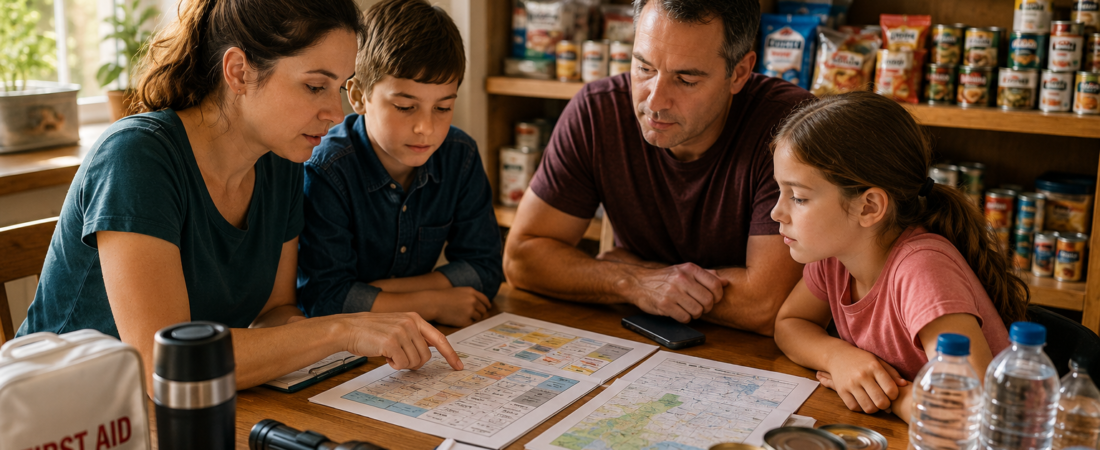
Emergency Food Supplies help greatly in a crisis. When emergencies strike, grocery store shelves can empty faster than most people expect. Whether it’s a severe storm, power outage, supply chain disruption, or unexpected financial hardship, having emergency food supplies on hand can provide peace of mind and help keep your family fed when normal food sources become unavailable.
The good news is that building a reliable emergency food supply doesn’t require expensive survival gear or specialized products. In fact, many of the foods families depend on during emergencies are affordable pantry staples are found at any grocery store. The key is choosing foods with long shelf lives, nutritional value, and versatility.
In this guide, we’ll explore the emergency food supplies families trust most and how to build a dependable pantry that can help your household weather difficult times.
Why Emergency Food Supplies Matter
Most families rely on frequent trips to the grocery store. If transportation is disrupted, stores are closed, or supplies become limited, many households quickly realize how little food they actually have available.
A well-stocked emergency pantry can help:
- Reduce stress during emergencies
- Provide meals when stores are inaccessible
- Protect your family from temporary food shortages
- Save money by reducing panic buying
- Help during job loss or financial emergencies
The goal is not to prepare for the end of the world. Instead, it’s about being ready for the unexpected challenges that can affect any family.
1. Rice
Rice remains one of the most trusted emergency foods because it is affordable, filling, and stores exceptionally well.
White rice can last for decades when stored properly in airtight containers and cool conditions. It provides carbohydrates that help fuel the body and pairs well with countless other foods.
Benefits of rice include:
- Extremely long shelf life
- Low cost per serving
- Easy storage
- Versatile meal options
- High calorie content
Many preparedness experts consider rice one of the foundations of a long-term emergency food supply.
2. Dry Beans
Beans are a nutritional powerhouse and an essential emergency food staple.
Pinto beans, black beans, navy beans, kidney beans, and lentils provide protein, fiber, vitamins, and minerals. When combined with rice, beans create a complete protein source that can help sustain families during extended emergencies.
Advantages of dry beans include:
- Long storage life
- Excellent protein source
- Budget-friendly
- Highly nutritious
- Easy to buy in bulk
While dry beans require cooking, their affordability and nutritional value make them difficult to replace.
3. Canned Vegetables
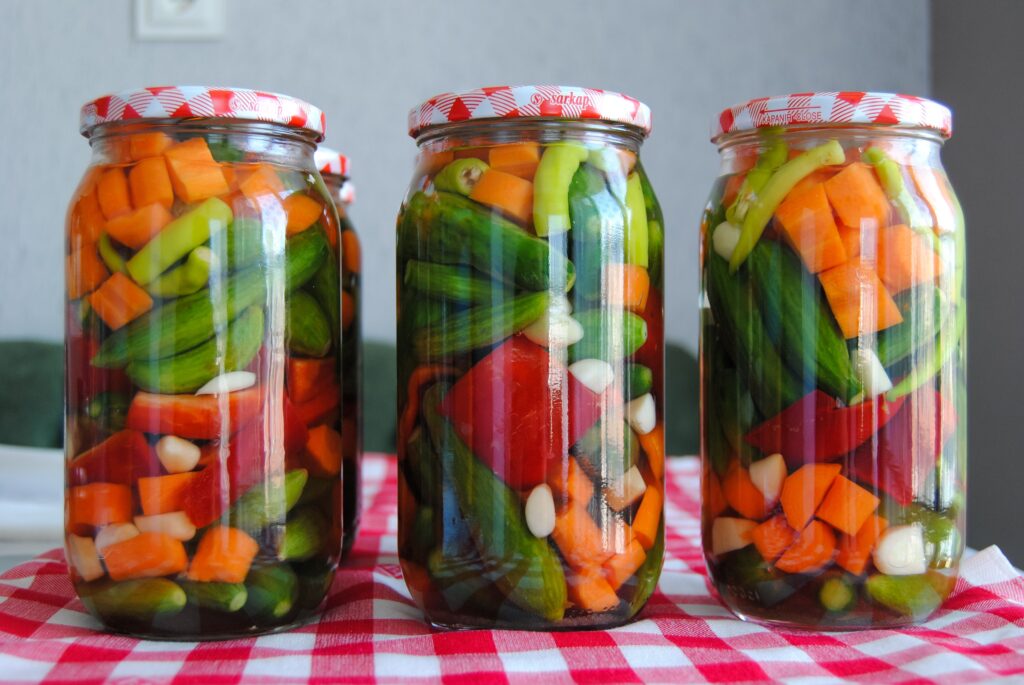
Fresh vegetables may not always be available during emergencies, making canned vegetables an important backup food source.
Canned corn, green beans, peas, carrots, and mixed vegetables can provide essential nutrients while requiring no refrigeration before opening.
Why families depend on canned vegetables:
- Long shelf life
- Ready to eat if necessary
- Nutrient retention
- Affordable storage solution
- Easy meal preparation
Rotate your stock periodically to maintain freshness and quality.
FREE Checklist: 10 Survival Foods That Could Save Your Stockpile
Download Your FREE Survival Foods Checklist Here
4. Canned Fruits
Canned fruits offer important vitamins and a welcome source of variety during emergencies.
Peaches, pears, pineapple, fruit cocktail, and applesauce can help satisfy sweet cravings while providing valuable nutrients.
Benefits include:
- Long-lasting storage
- Ready-to-eat convenience
- Natural sugars for energy
- Family-friendly taste
- Minimal preparation required
Choose varieties packed in juice whenever possible.
5. Peanut Butter
Peanut butter has long been a favorite emergency food because it combines calories, protein, healthy fats, and convenience.
It requires no cooking, can be eaten directly from the jar, and appeals to both children and adults.
Reasons to stock peanut butter:
- High calorie density
- Excellent protein source
- Long shelf life
- No preparation needed
- Versatile snack or meal ingredient
A few jars can provide significant nutrition during short-term emergencies.
6. Canned Meats
Protein is often one of the most overlooked components of emergency food storage.
Canned meats such as tuna, chicken, salmon, ham, and beef can provide essential nutrients when fresh meat isn’t available.
Benefits include:
- Ready-to-eat convenience
- Valuable protein source
- Long shelf life
- Easy meal preparation
- Supports balanced nutrition
Combining canned meat with rice or pasta can create simple and satisfying meals.
7. Pasta
Pasta is another affordable pantry staple families often rely on during emergencies.
Its long shelf life and versatility make it ideal for food storage. It can be paired with canned meats, vegetables, sauces, or beans to create numerous meal combinations.
Why pasta belongs in your emergency pantry:
- Inexpensive
- Long-lasting
- Easy to store
- Filling and satisfying
- Works with many ingredients
Stock a variety of shapes to avoid meal fatigue.
8. Oats

Oats are one of the most versatile foods you can store for emergencies.
They can be used for breakfast, baking, thickening soups, and creating simple snacks.
Benefits include:
- Long shelf life
- Excellent source of fiber
- Affordable bulk storage
- Easy preparation
- Supports digestive health
Rolled oats and quick oats are both excellent options.
9. Powdered Milk
Powdered milk provides important nutrients and can serve as a substitute when fresh milk isn’t available.
It can be used for drinking, baking, cooking, and preparing other foods.
Advantages include:
- Long storage life
- Calcium and vitamin content
- Versatile kitchen ingredient
- Useful for children and adults
- Space-efficient storage
Many emergency preparedness plans include powdered milk as a basic pantry item.
10. Honey
Honey is unique among emergency foods because it can last indefinitely when stored properly.
Its natural preservation properties make it one of the most reliable foods available.
Reasons to store honey:
- Extremely long shelf life
- Natural sweetener
- High energy content
- Useful in cooking and baking
- Can improve food variety
Even crystallized honey remains safe to consume.
11. Canned Soups
Canned soups offer convenience and comfort during stressful situations.
Wide varieties contain vegetables, meat, and broth in one package, making them an easy meal option.
Benefits include:
- Ready-to-eat capability
- Minimal preparation
- Wide variety of flavors
- Long shelf life
- Comfort food during emergencies
Keep several family favorites on hand.
12. Freeze-Dried Foods
Freeze-dried foods have become increasingly popular among preparedness-minded families.
These products often last 20 to 30 years and retain much of their original nutrition.
Popular freeze-dried options include:
- Fruits
- Vegetables
- Meats
- Complete meals
- Dairy products
While more expensive than traditional pantry foods, they offer exceptional storage life.
13. Crackers and Shelf-Stable Snacks
Shelf-stable snacks can boost morale during emergencies.
Crackers, pretzels, granola bars, and similar products provide quick energy and convenient meal supplements.
Benefits include:
- Portable food source
- Minimal preparation
- Child-friendly options
- Convenient snacking
- Easy storage
Remember to rotate these items regularly.
14. Cooking Oils
Cooking oils are often overlooked but provide essential calories and help improve meal preparation.
Vegetable oil, olive oil, and coconut oil can all play important roles in an emergency pantry.
Uses include:
- Cooking foods
- Adding calories
- Baking ingredients
- Food preparation versatility
Store oils in cool, dark locations for the best shelf life.
15. Salt and Basic Seasonings

Food fatigue can become a challenge during extended emergencies.
Simple seasonings help improve taste and make repetitive meals more enjoyable.
Important pantry seasonings include:
- Salt
- Pepper
- Garlic powder
- Onion powder
- Cinnamon
- Italian seasoning
A small investment can greatly improve meal quality.
Building a Family Emergency Food Supply
A practical emergency food pantry doesn’t need to be built overnight.
Start by purchasing a few extra items during regular grocery trips. Focus on foods your family already enjoys eating and gradually expand your storage over time.
A simple approach is:
- Build a 7-day supply.
- Expand to a 30-day supply.
- Work toward a 90-day pantry.
- Rotate food regularly.
- Store food in cool, dry conditions.
This gradual approach spreads costs over time and helps ensure your food supply remains useful and fresh.
Affiliate Disclosure: This post may contain affiliate links. I may earn a commission at no extra cost to you.
Download Your Free Survival Foods Emergency Checklist Here
Common Emergency Food Storage Mistakes
Many families make avoidable mistakes when building emergency food supplies.
Avoid these common errors:
- Storing foods your family won’t eat
- Ignoring expiration dates
- Forgetting water storage
- Failing to rotate supplies
- Buying only carbohydrates and neglecting protein
- Storing food in hot or humid areas
Proper planning helps maximize both shelf life and nutritional value.
Related Articles
- How To Store Food Without A Basement
- 25 Pantry Foods That Last The Longest
- How To Build A 30-Day Emergency Food Supply
Final Thoughts
The emergency food supplies families depend on most are often the simplest: rice, beans, canned goods, pasta, oats, peanut butter, and other reliable pantry staples. These foods provide the calories, nutrition, and flexibility needed to help households navigate unexpected disruptions.
Building an emergency food supply is not about fear. It’s about preparedness, peace of mind, and ensuring your family has access to food when circumstances become challenging.
By starting small and consistently adding to your pantry, you create a dependable food reserve that helps protect your household during uncertainty, giving you confidence that you’re ready for whatever comes next.