I
Affiliate Disclosure
This article may contain affiliate links. If you purchase through these links, we may earn a commission at no additional cost to you.
Introduction
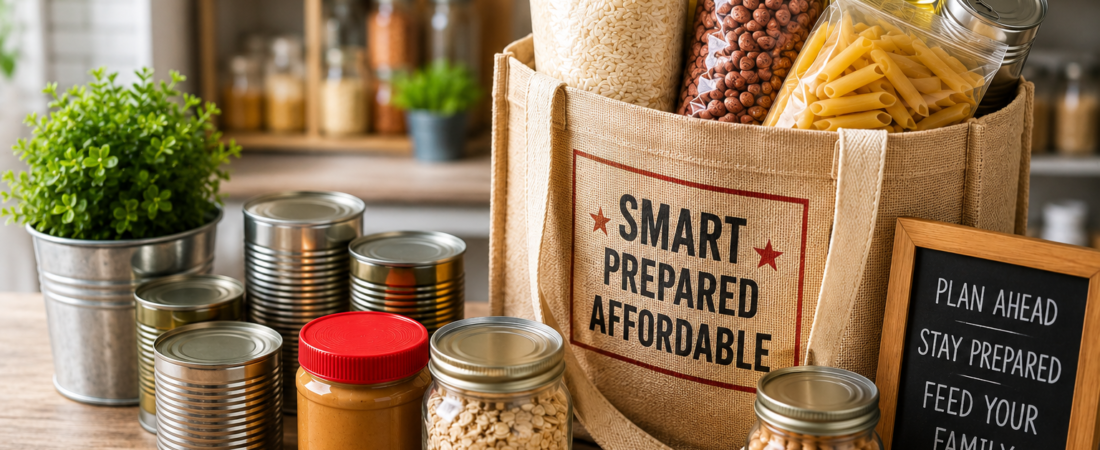
Cheap Foods to Stockpile on a budget? Building an emergency pantry doesn’t have to be expensive. With the right shelf-stable foods, you can create a reliable food supply while keeping grocery costs under control.
Building an emergency food supply doesn’t have to be expensive. One of the biggest misconceptions about preparedness is that you need to spend hundreds or even thousands of dollars on specialty survival foods. While freeze-dried meals and emergency food kits certainly have their place, most families can build a reliable pantry using affordable, cheap foods found at any grocery store.
A budget-friendly food stockpile is simply a collection of shelf-stable foods that you use regularly and gradually accumulate over time. Instead of purchasing everything at once, you can add a few extra items during each shopping trip. This approach spreads out the cost while helping you prepare for unexpected situations such as severe weather, temporary job loss, supply shortages, or power outages.
The good news is that some of the cheapest foods available are also among the best for long-term storage. By focusing on affordable staples that provide calories, nutrition, and versatility, you can build a well-stocked pantry without straining your budget.
Section 1: The Best Budget-Friendly Pantry Staples
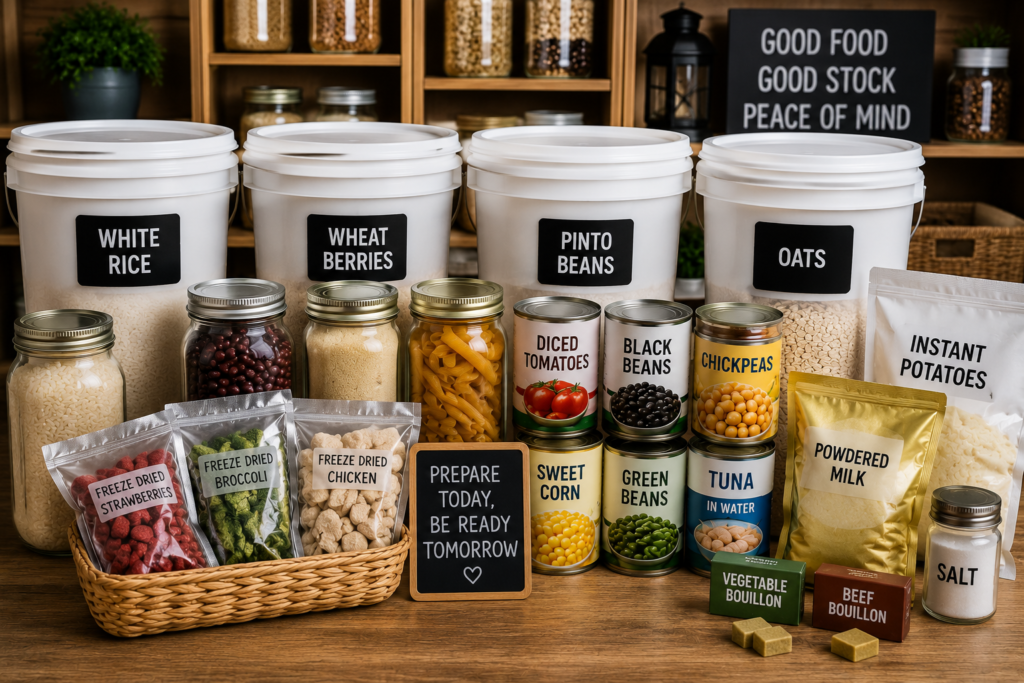
When building a food stockpile, it’s important to focus on foods that offer the most value for your money. Staples such as rice, beans, oats, and pasta provide large servings at a relatively low cost. These foods also store well and can serve as the foundation for countless meals.
Rice is one of the most affordable foods you can add to an emergency pantry. A large bag provides thousands of calories at a very low cost and can be used in countless meals.
When stored properly in airtight containers, white rice can remain usable for many years. Because rice is versatile and inexpensive, it serves as the foundation of many budget food storage plans. It pairs well with beans, canned meats, vegetables, and seasonings, making it an excellent long-term staple.
Dry beans are another excellent choice. They provide protein, fiber, and essential nutrients while costing significantly less than most meat products. Pinto beans, black beans, kidney beans, and lentils are all affordable options that can help stretch your food budget. Stored correctly, dry beans can last for years and become an important source of nutrition during emergencies.
Pasta is another pantry staple that offers tremendous value. It stores well, cooks quickly, and combines easily with a variety of ingredients. Whether paired with canned vegetables, canned meat, or homemade sauces, pasta can help create filling meals at a low cost.
Oats are often overlooked, but they are one of the most economical foods available. Besides making a nutritious breakfast, oats can be used in baking, granola, and other recipes. Their long shelf life and versatility make them an ideal addition to any budget stockpile.
Section 2: Affordable Sources of Protein and Nutrition
Many people assume that building an emergency pantry means sacrificing nutrition, but that doesn’t have to be the case. Many affordable foods provide important vitamins, minerals, and protein while remaining shelf-stable.
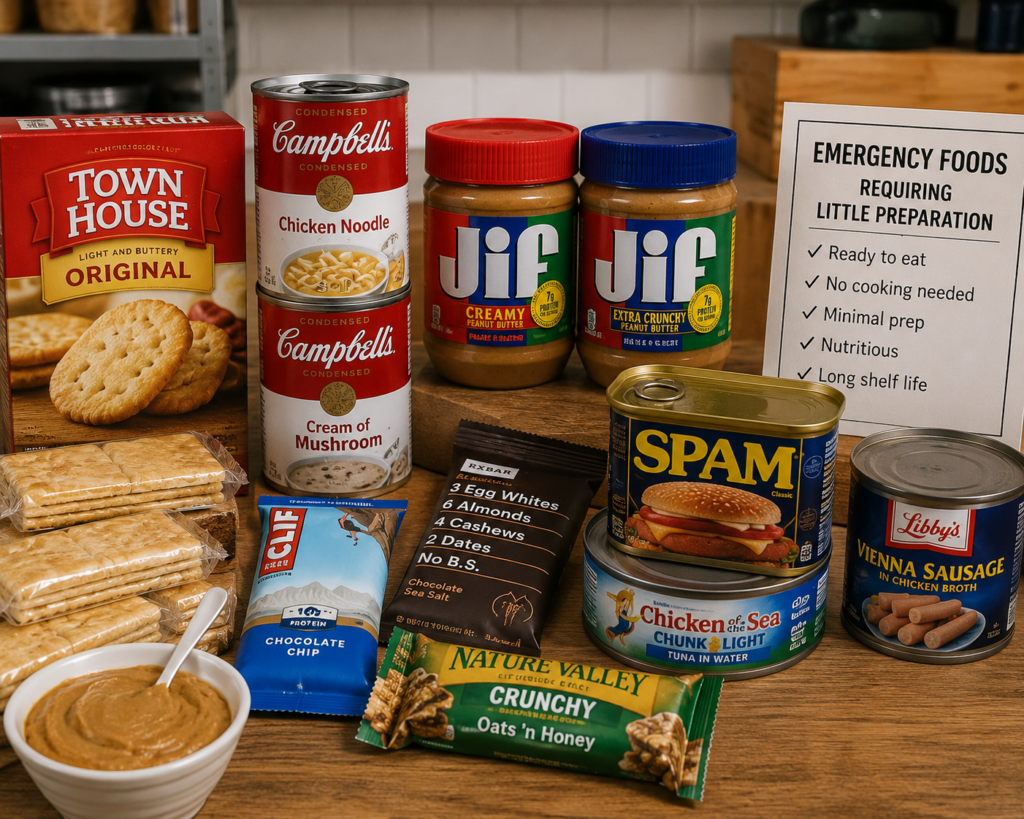
Canned beans offer convenience and nutrition at a reasonable price. While dry beans are more economical, canned beans require no soaking and can be eaten immediately if necessary. Keeping both options on hand provides flexibility during different situations.
Canned tuna, chicken, and salmon are excellent protein sources that can last for years when stored properly. These products are often available at discounted prices during sales, making them ideal candidates for stockpiling. Purchasing a few extra cans whenever prices are low can quickly build a substantial reserve.
Peanut butter is another valuable addition to a budget pantry. It contains protein, healthy fats, and calories, making it one of the most cost-effective foods available. Because it requires no cooking or preparation, peanut butter is especially useful during power outages or emergencies.
Canned vegetables and fruits also deserve a place in every food storage plan. They provide important nutrients and help prevent meal fatigue. A pantry filled with grains and starches may meet calorie needs, but adding vegetables and fruits creates more balanced meals and supports long-term health.
Section 3: How To Build a Food Stockpile Without Overspending
The most successful food stockpiles are built gradually. Trying to purchase a six-month supply of food in a single shopping trip can be overwhelming and expensive. Instead, focus on consistency and smart buying habits.
One effective strategy is to purchase one or two extra items each time you visit the grocery store. For example, if you’re already buying rice, purchase an additional bag. If canned vegetables are on sale, buy a few extra cans. Over time, these small purchases add up to a substantial emergency supply.
Watching sales and using coupons can significantly reduce costs. Many grocery stores offer rotating discounts on pantry staples. By purchasing items when prices are lowest, you can stretch your preparedness budget much further.
Bulk purchases can also provide savings. Large bags of rice, oats, flour, and beans often cost less per pound than smaller packages. If storage space allows, buying in bulk can reduce long-term food costs while helping you build your stockpile more quickly.
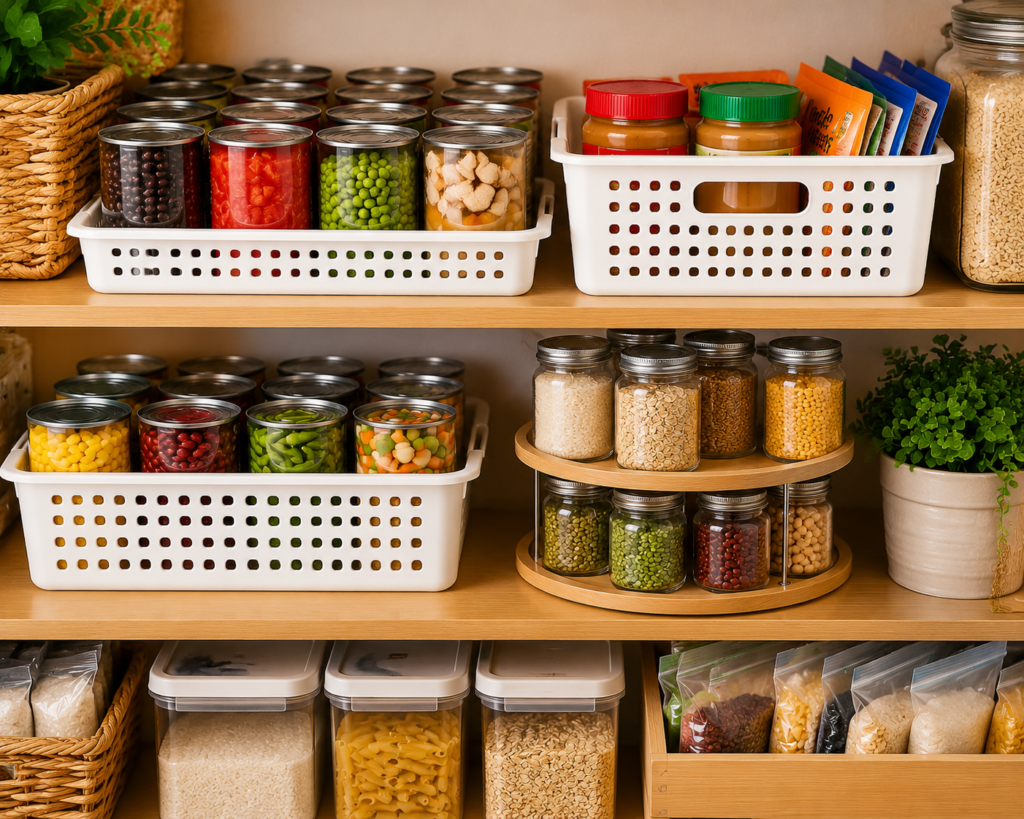
As your pantry grows, organization becomes increasingly important. Label foods with purchase dates and use the First In, First Out (FIFO) method. This ensures older products are used before newer ones, reducing waste and keeping your stockpile fresh.
Quick Budget Stockpile Shopping List
If you’re just getting started, focus on these affordable essentials:
- White rice
- Dry beans
- Pasta
- Oatmeal
- Peanut butter
- Canned vegetables
- Canned fruit
- Canned tuna or chicken
- Flour
- Sugar
- Salt
- Powdered milk
Free Emergency Food Checklist
Want a simple way to track your stockpile?
Download our FREE Emergency Pantry Checklist and discover the essential foods every family should keep on hand for emergencies and long-term preparedness.
Download Your Free Checklist Here
Related Articles
Want to build a stronger emergency pantry? These guides will help:
- How To Build A 30-Day Emergency Food Supply
- 50 Pantry Foods That Last The Longest
- Cheap Foods To Stockpile On A Budget
Conclusion
Building a food stockpile doesn’t require a large budget or specialized survival foods. By focusing on affordable staples such as rice, beans, oats, pasta, canned goods, and peanut butter, you can gradually build a reliable emergency pantry to support your family’s needs.
Preparedness is not about spending the most money—it’s about making smart, consistent choices over time. Every extra bag of rice, can of vegetables, or jar of peanut butter moves you one step closer to greater food security and peace of mind.
Start small, stay consistent, and remember that the best emergency pantry is one filled with foods your family already enjoys eating. Over time, those small investments can become valuable resources when you need them most.