
Introduction
Rice is one of the most popular foods for building a pantry, stocking up for emergencies, and saving money on everyday groceries. It is affordable, versatile, easy to cook, and available in many different varieties. Buy rice to add to your survival pantry.
But once you decide to buy rice in bulk, an important question quickly comes up:
Where is the best place to buy it?
The answer depends on several factors, including how much rice you want to purchase, how much you want to spend, the type of rice you prefer, and whether you plan to use it quickly or store it for the long term.
Buying a large bag of rice can often be more economical than purchasing several small bags. However, the lowest price is not always the best deal. You also need to consider quality, packaging, freshness, storage space, and whether you can realistically use the amount you buy.
In this guide, you’ll discover some of the best places to buy rice in bulk, what to look for before making a purchase, and how to avoid common mistakes when adding bulk rice to your pantry or emergency food supply.
Affiliate Disclosure: This article contains affiliate links. If you purchase through these links, I may earn a commission at no additional cost to you.
FREE 25 Foods Emergency Pantry Checklist
Building an emergency pantry is easier with a shopping list to follow.
Download this free printable checklist to take with you while shopping or use it to organize your pantry.
✔ 25 shelf-stable foods
✔ Printable PDF
✔ Free to download
👉 Click on the link below to download your FREE Emergency Pantry Checklist
The Short Answer
The best places to buy rice in bulk are usually warehouse clubs, wholesale stores, ethnic grocery stores, restaurant supply stores, supermarkets with large-value packages, and reputable online retailers.
For everyday shoppers, warehouse clubs and large grocery stores can offer convenient bulk sizes at competitive prices. Ethnic grocery stores are often excellent places to find larger bags and a wider selection of rice varieties. Restaurant supply stores may offer very large quantities for families or groups that use rice regularly.
The best choice for you depends on how much rice you need and how you plan to store it.
Before buying, compare the price per pound, check the condition of the packaging, and make sure you have a proper storage plan.
Why It Matters
Buying rice in bulk can be a smart way to reduce grocery costs and build a dependable food supply.
Rice is used in countless meals. It can be served with beans, vegetables, meat, soups, and sauces. It can also be used in casseroles and other simple pantry meals.
Because it is such a versatile food, many families choose to keep a larger supply on hand.
Buying larger quantities of rice may offer several advantages.
You may save money
A larger bag can sometimes cost less per pound than several smaller packages. This can make a difference over time, especially if rice is something your household eats regularly.
However, always compare prices carefully. A large package is not automatically a better deal.
You can reduce shopping trips
Keeping a reasonable supply of rice at home means you don’t have to purchase it every time you go grocery shopping.
This can be especially helpful during:
- Severe weather
- Power outages
- Short-term emergencies
- Busy periods when shopping is difficult
- Times when grocery stores have limited supplies
Rice can support an emergency food supply
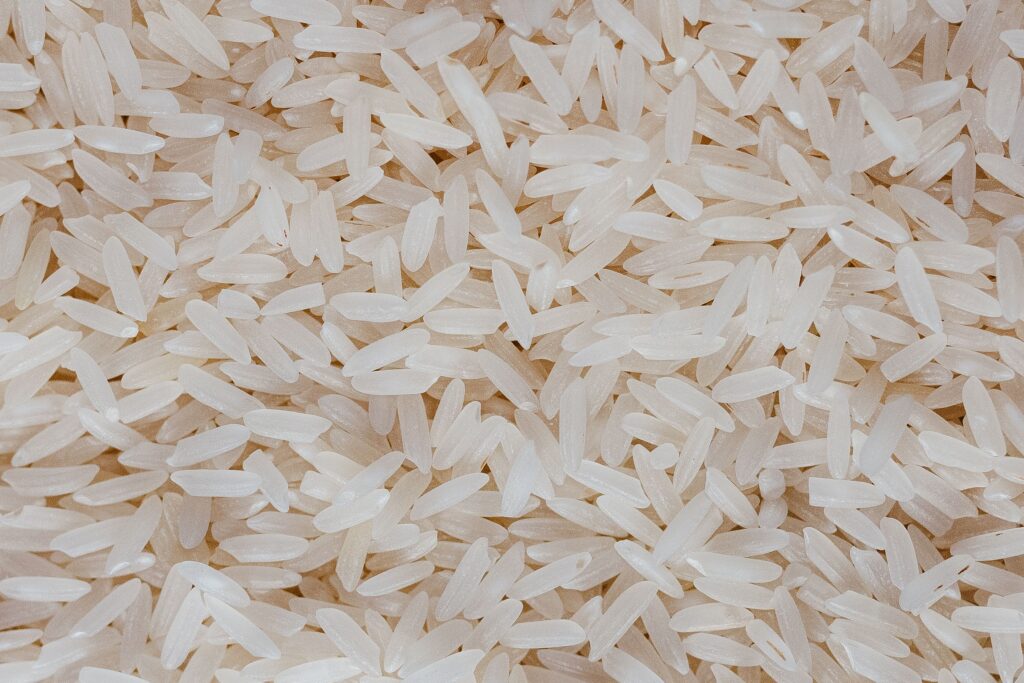
Rice is often included in emergency pantry plans because it is inexpensive and works well with many other shelf-stable foods.
A supply of rice can be combined with foods such as:
- Beans
- Canned vegetables
- Canned meat
- Lentils
- Pasta
- Soup ingredients
- Seasonings
The key: purchasing an amount that makes sense for your household and storing it properly.
What You Need to Know
Before choosing where to buy rice in bulk, there are several things to consider.
Compare the price per pound
One of the easiest mistakes is looking only at the total price.
For example, a 20-pound bag may cost more upfront than a 5-pound bag, but the larger bag could cost significantly less per pound.
Look for the unit price on the store shelf whenever possible.
You can also calculate it yourself:
Total Price ÷ Number of Pounds = Price Per Pound
This allows you to compare different package sizes more accurately.
Decide how much rice you actually need
Buying a 50-pound bag might sound like a great bargain, but it isn’t necessarily a good purchase if you don’t have enough storage space or won’t use it.
Consider:
- How often your family eats rice
- How many people are in your household
- Your available storage space
- Your food budget
- Whether you’re buying for everyday use, emergencies, or both
Start with an amount you can comfortably manage.
Choose the type of rice carefully
Different types of rice are suited for different meals.
Popular options include:
- White rice
- Brown rice
- Jasmine rice
- Basmati rice
- Long-grain rice
- Short-grain rice
If you’re building a long-term pantry, research the storage characteristics of the specific type you choose. Different varieties can have different shelf-life considerations.
Check the packaging
Avoid buying bags that are:
- Torn
- Wet
- Damaged
- Heavily punctured
Inspect the package before bringing it home.
Once you purchase rice, consider how you will protect it from moisture, pests, and other storage problems.
Best Places to Buy Rice in Bulk

Warehouse Clubs
Warehouse clubs can be convenient places to purchase large bags of common foods, including rice.
You may find package sizes larger than those available at traditional grocery stores.
Advantages include:
- Large package sizes
- Convenient shopping
- Competitive prices
- Other pantry staples available in the same location
The main disadvantage is that some warehouse clubs require a membership.
Before purchasing, compare the price per pound with other stores in your area.
Ethnic Grocery Stores
Ethnic grocery stores can be one of the best places to find rice in large quantities.
Many carry:
- Large bags of jasmine rice
- Basmati rice
- Long-grain rice
- Specialty rice varieties
You may also find brands and package sizes that aren’t available at major supermarkets.
These stores can be especially useful if your household regularly cooks meals that use specific varieties of rice.
Restaurant Supply Stores
Restaurant supply stores may sell very large packages of food products.
These stores can be worth considering if:
- You have a large family
- You cook rice frequently
- You are purchasing food for a group
- You have adequate storage space
However, always check whether the package size is practical for your household.
A very large bag isn’t a bargain if it becomes difficult to store properly.
Large Supermarkets

Many supermarkets sell rice in bags ranging from several pounds to much larger sizes.
This is often the most convenient option because you can compare multiple brands during a regular grocery trip.
Look for:
- Store-brand value packages
- Sales
- Multi-buy promotions
- Larger family-size bags
Check the unit price rather than assuming the largest package is always the cheapest.
Online Retailers
Online retailers can provide access to rice brands and bulk sizes that may not be available locally.
This can be useful if you’re looking for:
- Specialty rice
- Organic options
- Specific brands
- Larger package sizes
However, shipping costs can affect the final price.
Always calculate the total cost, including delivery, before deciding whether an online purchase is a good value.
Local Wholesale Food Stores
Some communities have local wholesale food suppliers that sell directly to the public.
These stores may offer competitive prices on pantry staples.
If you have one nearby, compare their prices with:
- Warehouse clubs
- Grocery stores
- Restaurant supply stores
A local wholesaler could become a useful source for regularly replenishing your pantry.
Step-by-Step Instructions
Step 1: Decide how much rice you want to buy
Start by determining your purpose.
Are you buying rice for:
- Everyday meals?
- A larger pantry?
- Emergency preparedness?
- A combination of all three?
This will help determine the package size you should consider.
Step 2: Check prices at several locations
Don’t buy from the first store you visit.
Compare prices from:
- Grocery stores
- Warehouse clubs
- Ethnic grocery stores
- Wholesale suppliers
- Online retailers
Write down the price per pound for each option.
Step 3: Choose the right variety
Select rice that your household actually enjoys eating.
There’s little value in purchasing a huge quantity of a type of rice that nobody wants to use.
A practical pantry should contain foods your family will realistically eat.
Step 4: Inspect the package
Before purchasing, check for damage.
Make sure the bag appears dry, sealed, and in good condition.
Step 5: Prepare your storage area
Before bringing home a large amount of rice, make sure you have a clean, dry location ready.
Your storage area should be protected from:
- Moisture
- Extreme heat
- Pests
- Physical damage
Step 6: Rotate your supply
If you regularly use rice, make rotation part of your normal routine.
Use older rice first and replace it with newer purchases.
This helps prevent forgotten food from sitting in your pantry indefinitely.
Common Mistakes
Buying the largest bag without checking the price
Always compare the price per pound.
A larger package isn’t automatically cheaper.
Buying more than you can store
Bulk food requires space.
Don’t purchase an enormous quantity without knowing where it will go.
Ignoring the type of rice
Different types of rice work better for different meals and may have different storage characteristics.
Choose something your family will actually use.
Forgetting about proper storage
Buying rice is only the first step.
Poor storage can create problems with moisture, pests, or product quality.
Purchasing food you don’t normally eat
An emergency pantry should not be filled entirely with unfamiliar foods.
Whenever possible, store foods that fit naturally into your regular meals.
Frequently Asked Questions
Is buying rice in bulk cheaper?
It can be, especially when the price per pound is lower than smaller packages. Always compare unit prices before buying.
What size bag of rice should I buy?
The right size depends on your household, budget, storage space, and how often you eat rice. A smaller household may prefer manageable packages, while larger families may benefit from bigger bags.
Where can I find the cheapest rice?
Prices vary by location, sales, and the type of rice. Compare warehouse clubs, ethnic grocery stores, supermarkets, wholesalers, and online retailers to find the best value in your area.
Should I buy rice online?
Buying online can be convenient, especially for specialty varieties. However, always include shipping costs when comparing prices.
Is bulk rice good for an emergency pantry?
Rice can be a useful part of an emergency food supply because it is versatile and affordable. However, it should be combined with other foods to create a more balanced pantry.
Should I buy white rice or brown rice for storage?
The answer depends on how you plan to use and store it. Before purchasing a large amount, consider the storage characteristics of the specific rice variety and make sure it fits your household’s needs.
Recommended Resource: The Lost Super Foods
If you’re building a long-term emergency food supply, it’s worth learning about the foods our grandparents and earlier generations relied on before modern refrigeration and grocery stores became common.
The Lost Super Foods is a guide that explores forgotten preservation methods, shelf-stable foods, and traditional survival recipes that helped families thrive during difficult times. The guide includes practical information on food storage, preservation techniques, and nutrient-dense foods that can complement a well-stocked emergency pantry.
Whether you’re just starting your preparedness journey or looking to expand your food storage knowledge, this resource may provide valuable insights for creating a more resilient pantry.
👉 Click here to learn more about The Lost Super Foods.
Conclusion
Buying rice in bulk can be a practical way to save money, reduce grocery shopping trips, and build a stronger pantry.
The best places to buy bulk rice include warehouse clubs, ethnic grocery stores, restaurant supply stores, supermarkets, local wholesalers, and online retailers.
The most important thing isn’t simply finding the biggest bag. It’s finding the best combination of price, quality, package size, and practicality for your household.
Before making a purchase, compare the price per pound, choose a rice variety your family enjoys, inspect the packaging, and make sure you have a suitable place to store it.
When purchased carefully and incorporated into your regular meals, bulk rice can become a useful and affordable part of both your everyday pantry and your emergency food preparedness plan.
Related Articles