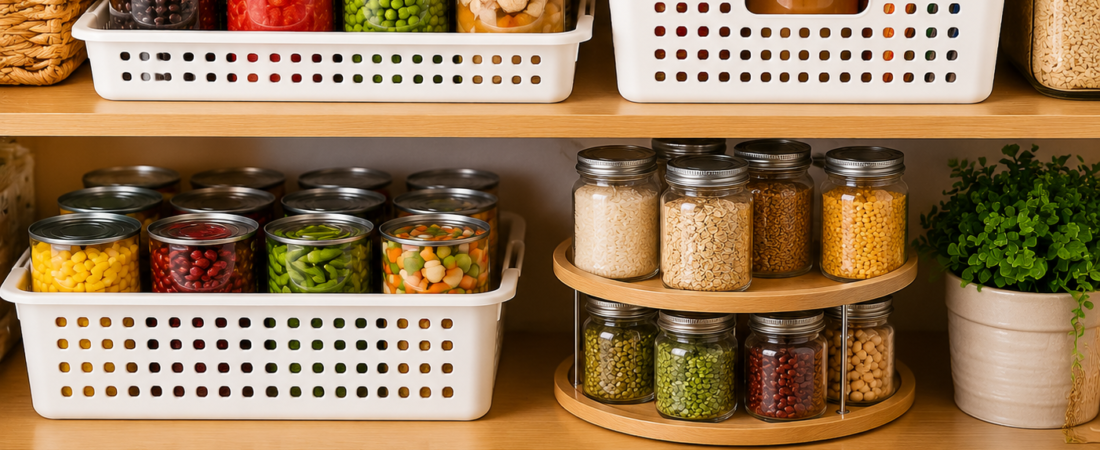
Building an emergency food stockpile does not have to drain your bank account or lead to overspending. Many people assume they need to spend hundreds or even thousands of dollars all at once to prepare for emergencies, but the truth is that a reliable pantry can be built gradually using smart shopping habits, careful planning, and consistent effort. Whether you’re preparing for severe weather, unexpected job loss, supply chain disruptions, or want greater peace of mind, creating a food reserve on a budget is both practical and achievable.
The biggest mistake many beginners make is buying too much too quickly. They see impressive stockpile photos online and believe they must fill shelves overnight. This often leads to overspending, wasted food, and frustration. Instead, think of food storage as a long-term project. Every shopping trip is an opportunity to add a little more to your pantry while staying within your normal grocery budget.
A well-planned stockpile isn’t about having the most food. It’s about having the right foods that your family already enjoys eating, foods with long shelf lives, and foods that can be rotated regularly to prevent waste.
This post may contain affiliate links—we earn a small commission at no extra cost to you.
FREE Checklist: 10 Survival Foods That Could Save Your Stockpile
Download Your FREE Checklist here!
Start With a Realistic Budget
Before purchasing anything, decide how much you can comfortably dedicate each week or month to your emergency pantry. Even setting aside an extra $10 to $20 each week can make a significant difference over time.
For example, if you spend an additional $15 each week, you’ll invest around $780 in a year without ever making one overwhelming purchase. That amount can build a surprisingly well-stocked pantry full of shelf-stable foods.
A consistent budget also helps prevent impulse buying. Rather than grabbing random survival foods because they seem like a good deal, you’ll make intentional purchases that strengthen your pantry.
Inventory What You Already Have

One of the easiest ways to save money is by discovering that you already own more emergency food than you realize.
Take everything out of your pantry and organize it by category. You may find unopened bags of rice, canned vegetables hidden in the back of a cabinet, extra pasta, or forgotten boxes of oatmeal.
Create a simple inventory listing each item and its expiration date. Knowing exactly what you have prevents buying duplicates while helping you plan meals around older items first.
Many experienced preppers update their inventory every month. This simple habit keeps the pantry organized and reduces waste.
Build Around Staple Foods
Staple foods provide the foundation of every affordable emergency pantry because they’re inexpensive, versatile, and filling.
Consider keeping a supply of:
- White rice
- Dry beans
- Lentils
- Pasta
- Rolled oats
- Flour
- Cornmeal
- Sugar
- Salt
- Cooking oil
- Peanut butter
These foods can create hundreds of different meals while remaining affordable. Buying larger bags often lowers the cost per pound, making them an excellent investment for long-term storage.
Buy What You Already Eat
One of the smartest food storage principles is simple: store what you eat and eat what you store.
Buying unfamiliar foods because they’re marketed as emergency supplies often leads to waste. If your family dislikes canned spinach today, they probably won’t enjoy it during an emergency either.
Instead, build your stockpile using foods that naturally fit your everyday meals. This makes rotating your inventory easy because you’re constantly replacing what you use.
For example, if your family eats spaghetti every week, purchasing an extra box of pasta and an extra jar of sauce during each shopping trip slowly builds a reserve without changing your budget significantly.
Shop Sales Instead of Shopping Emergencies
The worst time to build a food stockpile is when everyone else is rushing to the grocery store before a storm.
Prices often rise, shelves empty quickly, and panic buying limits your choices.
Instead, build your pantry during normal times by watching weekly sales. Grocery stores regularly rotate discounts on canned goods, pasta, cereal, soups, baking supplies, and frozen foods.
Buying only when prices are low stretches every dollar much further.
Learn the “Buy One Extra” Method
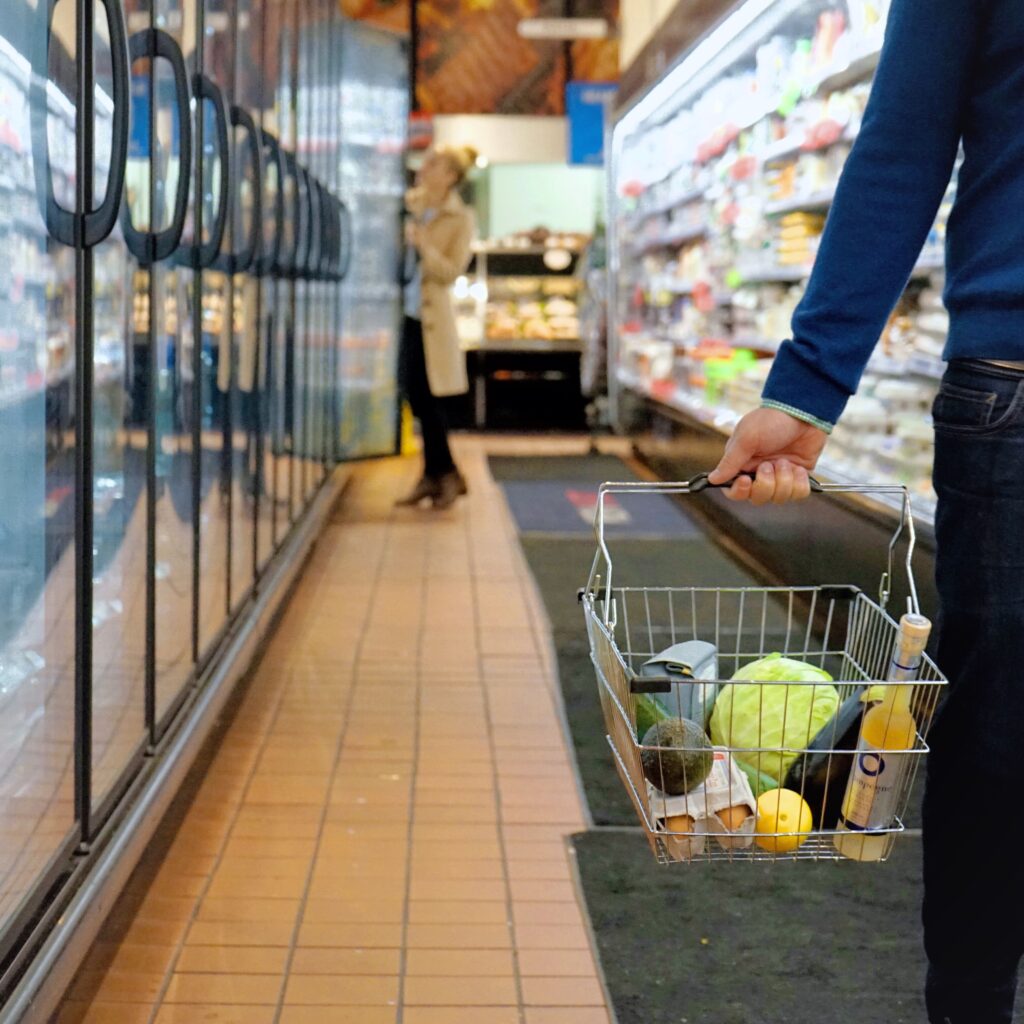
One of the easiest strategies for beginners is purchasing one additional shelf-stable item every time you grocery shop.
If you’re buying two cans of soup for dinner this week, buy three instead.
If you need one bag of rice, purchase two.
This gradual approach barely affects your weekly grocery bill while steadily increasing your emergency reserves.
After several months, your pantry begins growing almost effortlessly.
Use Store Brands
Many generic grocery products come from the same manufacturing facilities as national brands but cost significantly less.
Store-brand vegetables, canned fruit, beans, pasta, oatmeal, flour, sugar, and spices often provide identical quality at lower prices.
The savings can be substantial over hundreds of pantry purchases.
Compare Unit Prices
Rather than focusing on package size, compare the unit price shown on grocery shelf labels.
A larger package isn’t always the better deal.
Sometimes buying two smaller packages during a sale costs less than one family-size package at regular price.
Learning to compare price per ounce or per pound quickly becomes one of the easiest ways to stretch your grocery budget.
Build Meals Instead of Random Food
A pantry filled with random ingredients can become difficult to use.
Instead, think in terms of complete meals.
For example, ingredients for chili might include:
- Canned beans
- Tomato sauce
- Diced tomatoes
- Chili seasoning
- Rice
A pasta dinner might include:
- Pasta
- Pasta sauce
- Canned chicken
- Parmesan cheese
- Italian seasoning
Planning meals ensures your pantry remains practical rather than simply full.
Rotate Everything
Food storage should become part of your normal kitchen routine.
When you purchase new groceries, place them behind older items on your shelves. Always use the oldest food first.
This “first in, first out” method helps reduce expired food while keeping your emergency pantry fresh.
Rotation is one of the biggest differences between a useful stockpile and an expensive collection of forgotten groceries.
Focus on Nutrition
Calories matter during emergencies, but nutrition matters just as much.
A balanced pantry should include foods from several categories.
Good choices include:
- Protein-rich foods like beans, peanut butter, canned meat, and tuna
- Fruits packed in juice
- Canned vegetables
- Whole grains
- Dairy alternatives like powdered milk
- Healthy fats such as nuts and cooking oils
A varied pantry helps maintain energy and health during extended emergencies.
Don’t Ignore Water
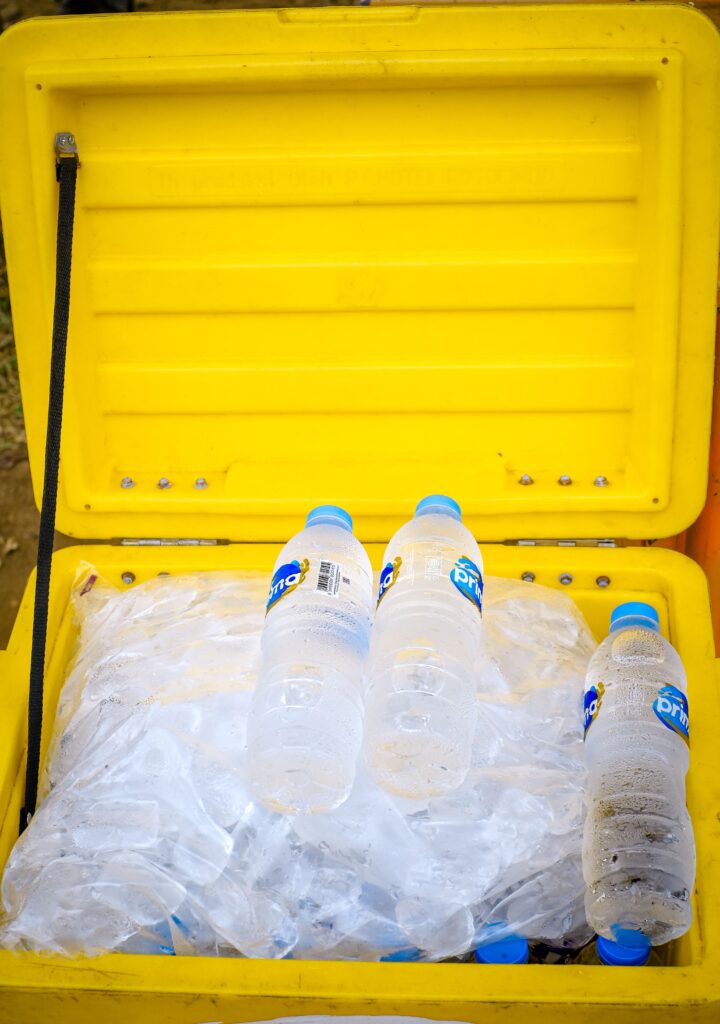
Food storage always goes hand in hand with water storage.
Many stored foods require water for cooking, while everyone also needs safe drinking water every day.
Experts commonly recommend storing at least one gallon of water per person per day for several days, although many prepared families keep much more.
Remember to rotate stored water according to the manufacturer’s recommendations or your storage method.
Preserve Food at Home
If you have access to fresh produce during harvest season, preserving food yourself can significantly reduce grocery costs.
Popular preservation methods include:
- Water bath canning
- Pressure canning
- Dehydrating
- Freezing
- Vacuum sealing
Home preservation allows you to take advantage of seasonal sales while extending the life of fruits, vegetables, soups, sauces, and meats.
Learning these skills can dramatically expand your food storage without constantly relying on grocery store purchases.
Watch for Clearance Deals
Many grocery stores discount canned goods and packaged foods when labels change or seasonal inventory rotates.
As long as the packaging remains undamaged and the food is within its recommended date, these discounts can provide excellent opportunities for stocking up.
Holiday sales are especially valuable for baking ingredients, canned vegetables, broth, cranberry sauce, potatoes, stuffing mixes, and spices.
Don’t Forget Comfort Foods

Emergencies are stressful.
Including a few favorite treats can improve morale during difficult times.
Some inexpensive comfort foods include:
- Coffee
- Tea
- Hot chocolate
- Chocolate bars
- Hard candy
- Popcorn
- Cookie mixes
- Pancake syrup
While these shouldn’t dominate your pantry, they can provide emotional comfort when routines are disrupted.
Store Food Properly
Even affordable food becomes expensive if it’s ruined by improper storage.
Choose a cool, dry, dark location whenever possible.
Avoid storing food in garages or sheds that experience extreme temperature changes.
For longer storage, many people use airtight food-grade buckets with Mylar bags and oxygen absorbers for dry goods like rice, beans, oats, and flour.
Proper storage greatly extends shelf life while protecting against moisture and pests.
Many preparedness experts divide their stockpile into practical levels.
The first level contains foods used every week.
The second level includes foods rotated every few months.
The third level contains long-term emergency reserves intended for serious disruptions.
This system helps families maintain fresh food while preparing for both short-term and long-term emergencies.
Avoid Expensive Marketing
Many emergency food companies advertise freeze-dried meals costing several dollars per serving.
While these products certainly have advantages, they aren’t necessary for building a dependable food reserve.
A pantry built from ordinary grocery store foods often provides more meals at a fraction of the cost.
Budget-conscious preparedness focuses on value rather than flashy packaging.
Keep Expanding Slowly
There is no finish line for food storage.
Even experienced preppers continue adding to their pantries over time.
As your pantry grows, you may begin expanding into additional categories such as:
- Baking supplies
- Herbs and spices
- Powdered eggs
- Freeze-dried fruits
- Dehydrated vegetables
- Long-term wheat storage
- Cooking fuel
- Emergency cooking equipment
Building slowly allows you to learn what works best for your household while avoiding unnecessary purchases.
Looking for more long-term food storage ideas? The Lost SuperFoods reveals dozens of traditional foods and preservation methods that helped families survive difficult times before modern refrigeration. Check out The Lost SuperFoods here and see how these forgotten foods can strengthen your emergency preparedness plan.
Check Out The Lost Super Foods Guide HERE
Learn From Every Grocery Trip
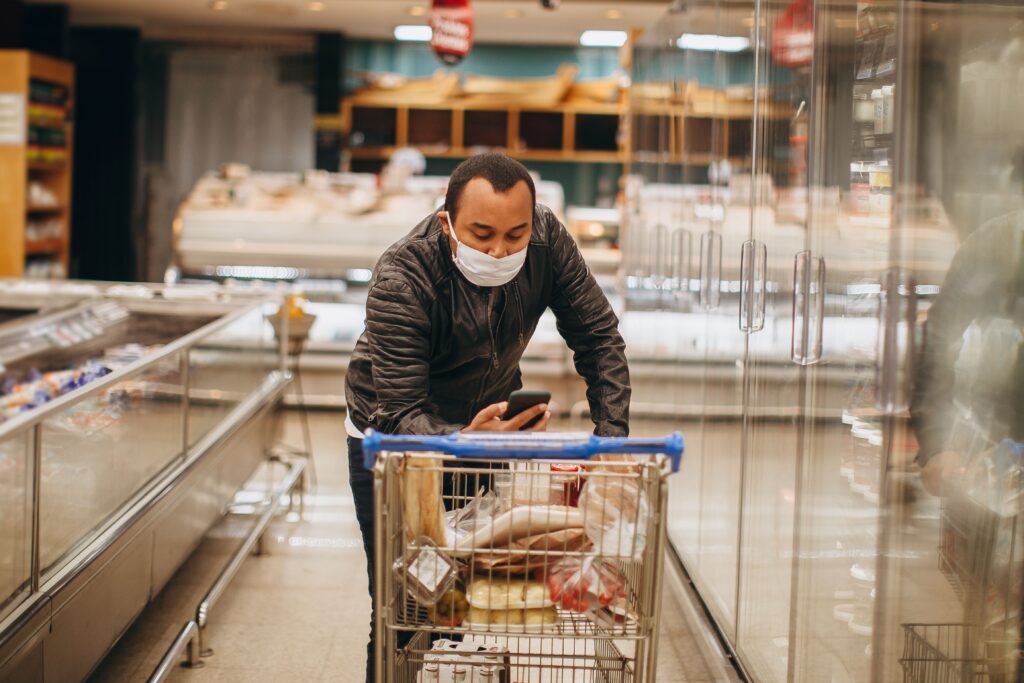
Every visit to the supermarket becomes an opportunity to improve your preparedness.
Watch prices.
Notice seasonal sales.
Compare brands.
Check expiration dates.
Think about how each purchase contributes to future meals.
These habits become second nature over time and help you build a resilient pantry without financial stress.
The Value of Consistency
Preparedness isn’t measured by how much food you buy in one weekend. It’s measured by the habits you develop over months and years. Small, consistent purchases almost always outperform large, impulsive spending sprees.
A family that adds a few practical items to their pantry every week will eventually build an impressive food reserve without sacrificing their monthly budget. Along the way, they’ll learn how to organize, rotate, and use those supplies naturally.
The goal isn’t to create a pantry that sits untouched. It’s to create one that supports your everyday life while providing security as unexpected events occur.
FREE Checklist: 10 Survival Foods That Could Save Your Stockpile
Download Your FREE Survival Foods Checklist HERE
Final Thoughts
Building a food stockpile without overspending is entirely possible when you focus on steady progress instead of perfection. Start with a realistic budget, purchase foods your family already enjoys, shop sales whenever possible, and rotate your supplies regularly. Over time, even modest weekly purchases can grow into a pantry capable of supporting your household through many types of emergencies.
Preparedness is less about spending large sums of money and more about making thoughtful decisions consistently. Every extra can of vegetables, every bag of rice, and every package of pasta added to your shelves is another step toward greater peace of mind. With patience, planning, and smart shopping habits, you can build a dependable emergency food supply while staying comfortably within your budget.
Related Articles
Cheap Foods To Stockpile On A Budget