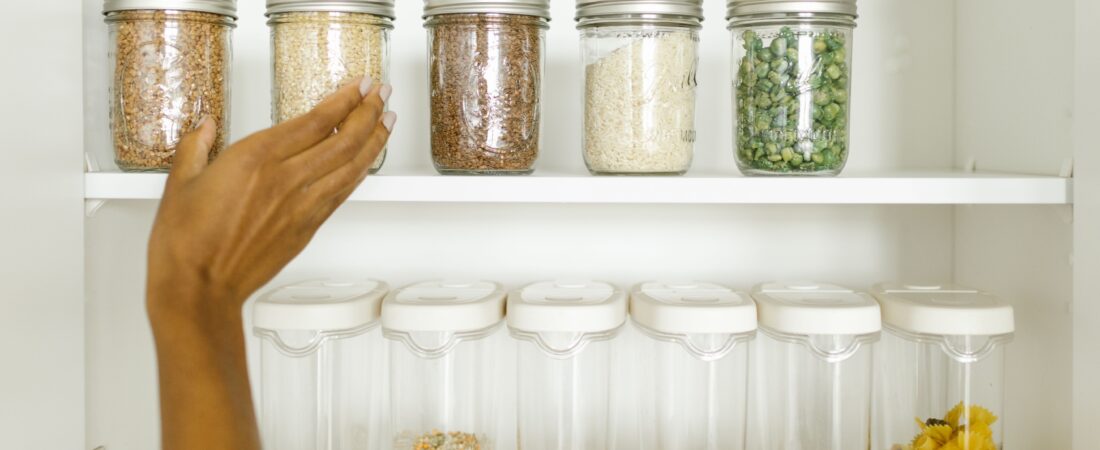
Build an Emergency Pantry That Can Last for Years
Imagine waking up after a powerful winter storm to discover the electricity is out, roads are closed, and grocery store shelves have already been emptied. While others rush to find basic supplies, you walk to your pantry knowing you’ve already prepared. That’s the advantage of stocking 25 pantry foods with long shelf lives. A well-planned pantry can help you save money, reduce food waste, and give your family peace of mind during unexpected emergencies.

Below are 25 pantry foods that store exceptionally well when kept in a cool, dry place and packaged correctly.
| Food | Typical Shelf Life |
|---|---|
| White Rice | 25–30 years |
| Dry Beans | 25–30 years |
| Honey | Indefinite |
| Salt | Indefinite |
| Sugar | Indefinite |
| Oats | 20–30 years |
1. White Rice
Shelf Life: 25–30 years
White rice is one of the best long-term storage foods because its natural oils have been removed. It is inexpensive, filling, and works well with almost any meal.
Best Storage: Mylar bags with oxygen absorbers inside food-grade buckets.
2. Dry Beans
Shelf Life: 25–30 years
Dry beans provide protein, fiber, and essential nutrients. Although older beans may take longer to cook, they remain one of the most dependable pantry staples.
Best Storage: Airtight containers kept cool and dry.
3. Honey
Shelf Life: Indefinite
Pure honey never truly spoils. It may crystallize over time, but gently warming the jar restores its smooth texture.
Best Storage: Original sealed container.
4. Salt
Shelf Life: Indefinite
Salt is more than a seasoning. It has been used for centuries to preserve food and remains one of the longest-lasting pantry items.
Best Storage: Moisture-proof container.
5. Sugar
Shelf Life: Indefinite
White sugar resists bacterial growth and remains usable for decades. If it hardens, simply break it apart.
Best Storage: Airtight bucket or container.

6. Rolled Oats
Shelf Life: 20–30 years
Oats are affordable, nutritious, and versatile enough for breakfasts, baking, and emergency meals.
Best Storage: Mylar bags with oxygen absorbers.
7. Pasta
Shelf Life: 20–30 years
Dry pasta stores well and provides an inexpensive source of carbohydrates for countless meals.
8. Lentils
Shelf Life: 20–25 years
Lentils cook faster than many beans while providing excellent nutrition and protein.
9. Split Peas
Shelf Life: 20–25 years
Perfect for hearty soups, split peas require little storage space and last for decades.
10. Wheat Berries
Shelf Life: 30+ years
Unlike flour, whole wheat berries retain their quality for decades and can be ground when needed.
11. Powdered Milk
Shelf Life: 15–20 years
Useful for baking, cooking, and drinking when fresh milk isn’t available.
12. Instant Potatoes
Shelf Life: 15–20 years
Easy to prepare and comforting during emergencies.
13. Dehydrated Vegetables
Shelf Life: 20–25 years
Carrots, onions, peppers, and other dehydrated vegetables add flavor and nutrition to stored meals.
14. Freeze-Dried Fruit
Shelf Life: 25–30 years
Freeze-dried fruit retains much of its original flavor while storing for decades.

15. Freeze-Dried Meat
Shelf Life: 25–30 years
A convenient source of long-term protein for emergency food storage.
16. Cornstarch
Shelf Life: Indefinite (when kept dry)
Useful for thickening soups, sauces, and gravies.
17. Popcorn Kernels
Shelf Life: 20+ years
Stored properly, popcorn kernels remain a versatile snack and cooking ingredient.
18. Cocoa Powder
Shelf Life: 10–15 years
Unsweetened cocoa powder stores surprisingly well and is useful for baking.
19. Instant Coffee
Shelf Life: 20 years or more
Freeze-dried instant coffee stores exceptionally well in sealed containers.

20. Quinoa
Shelf Life: 8–10 years
A nutritious grain that’s rich in protein and cooks relatively quickly.
21. Canned Tuna
Shelf Life: 3–5 years
Ready to eat straight from the can and packed with protein.
22. Canned Chicken
Shelf Life: 3–5 years
Another reliable protein source that requires no refrigeration until opened.
23. Peanut Butter
Shelf Life: 1–2 years
While shorter-lived than many dry goods, peanut butter offers calories, healthy fats, and protein.
24. White Flour
Shelf Life: 5–10 years (sealed)
White flour lasts much longer than whole wheat flour because it contains fewer natural oils.
25. Vinegar
Shelf Life: Indefinite
White vinegar is useful for cooking, pickling, and household cleaning, making it a valuable pantry staple.

Tips for Longer Shelf Life
No matter which foods you choose, proper storage makes all the difference.
- Store foods in a cool, dry, dark location.
- Use airtight containers whenever possible.
- Add oxygen absorbers to dry goods intended for long-term storage.
- Label containers with the packaging date.
- Rotate foods regularly using the “first in, first out” method.
- Inspect stored foods occasionally for moisture or damaged packaging.
Frequently Asked Questions
What pantry food lasts the longest?
Honey, salt, and sugar can last indefinitely when stored correctly.
Does white rice really last 30 years?
Yes. Properly packaged white rice can remain usable for 25 to 30 years or longer.
Do dry beans expire?
Dry beans can remain safe for decades, although older beans often require longer cooking times.

📥 FREE Emergency Pantry Checklist
Building an emergency pantry is easier when you have a shopping list to follow.
Download this free printable checklist to take with you while shopping or use it to organize your pantry.
✔ 25 shelf-stable foods
✔ Printable PDF
✔ Free to download
👉 Download the FREE Emergency Pantry Checklist (PDF)
Final Thoughts
Ready to build a pantry that can handle emergencies?
Start by adding just a few long-lasting foods to your next grocery trip. Small steps today can make a big difference tomorrow.
Want even more ideas? Download our FREE Emergency Foods Checklist and discover shelf-stable foods that every prepared household should keep on hand.
Download Your FREE Checklist: 10 Survival Foods That Could Save Your Stockpile Here:
Affiliate Disclosure: This article contains affiliate links. If you purchase through these links, I may earn a commission at no additional cost to you.
Looking for even more time-tested food storage ideas? The Lost Super Foods reveals forgotten preservation methods and long-lasting foods that helped families thrive before modern refrigeration. It’s an excellent resource for anyone serious about building a dependable emergency pantry.